Pemuteran Bay and Taman Sari: A Complete Guide to Bali's Northwest Shore
Pemuteran is what Bali looked like before the crowds arrived — a fishing village with an extraordinary reef, a handful of elegant resorts, and sunsets over Java that no other part of the island can offer. This is the guide to living well here.
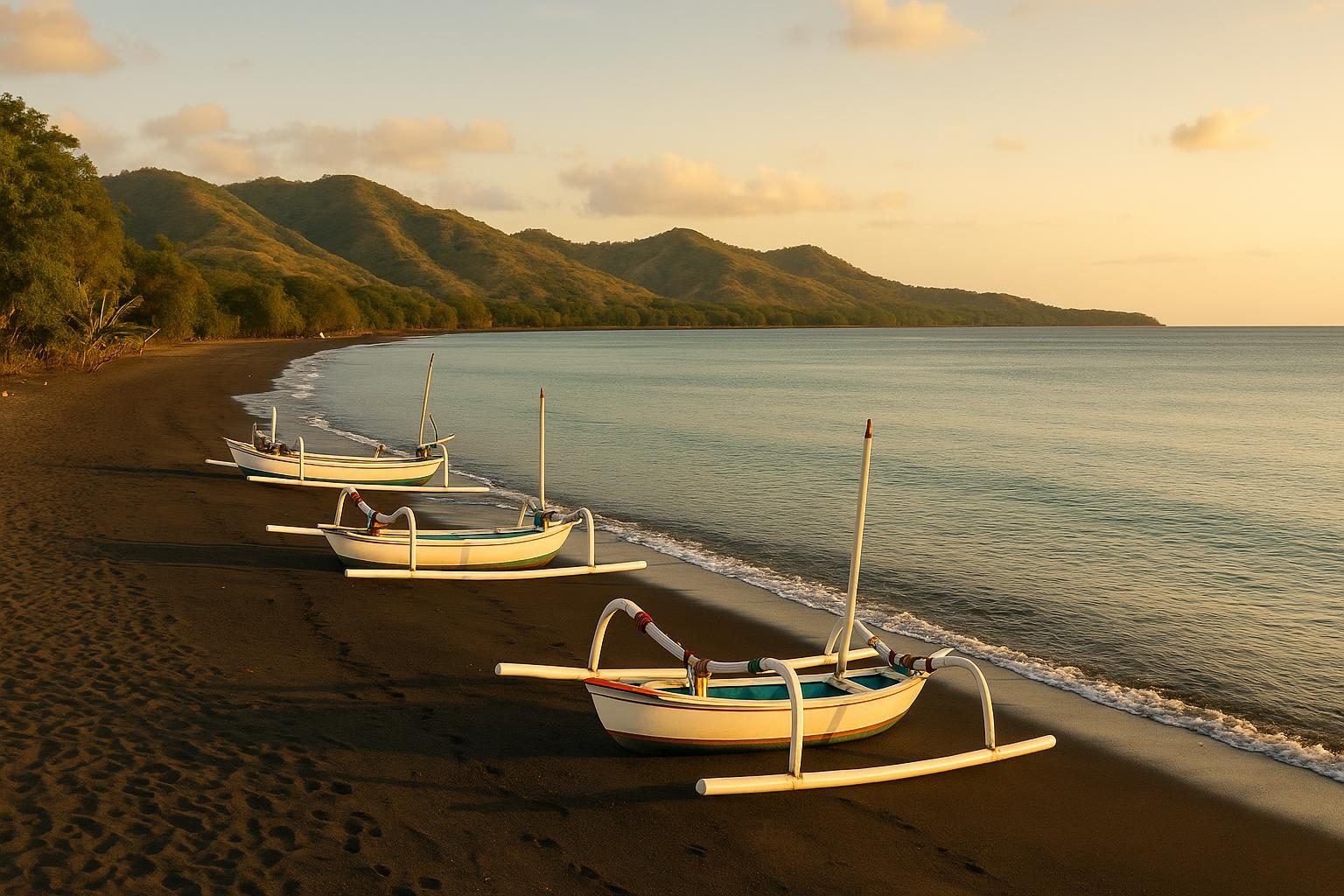
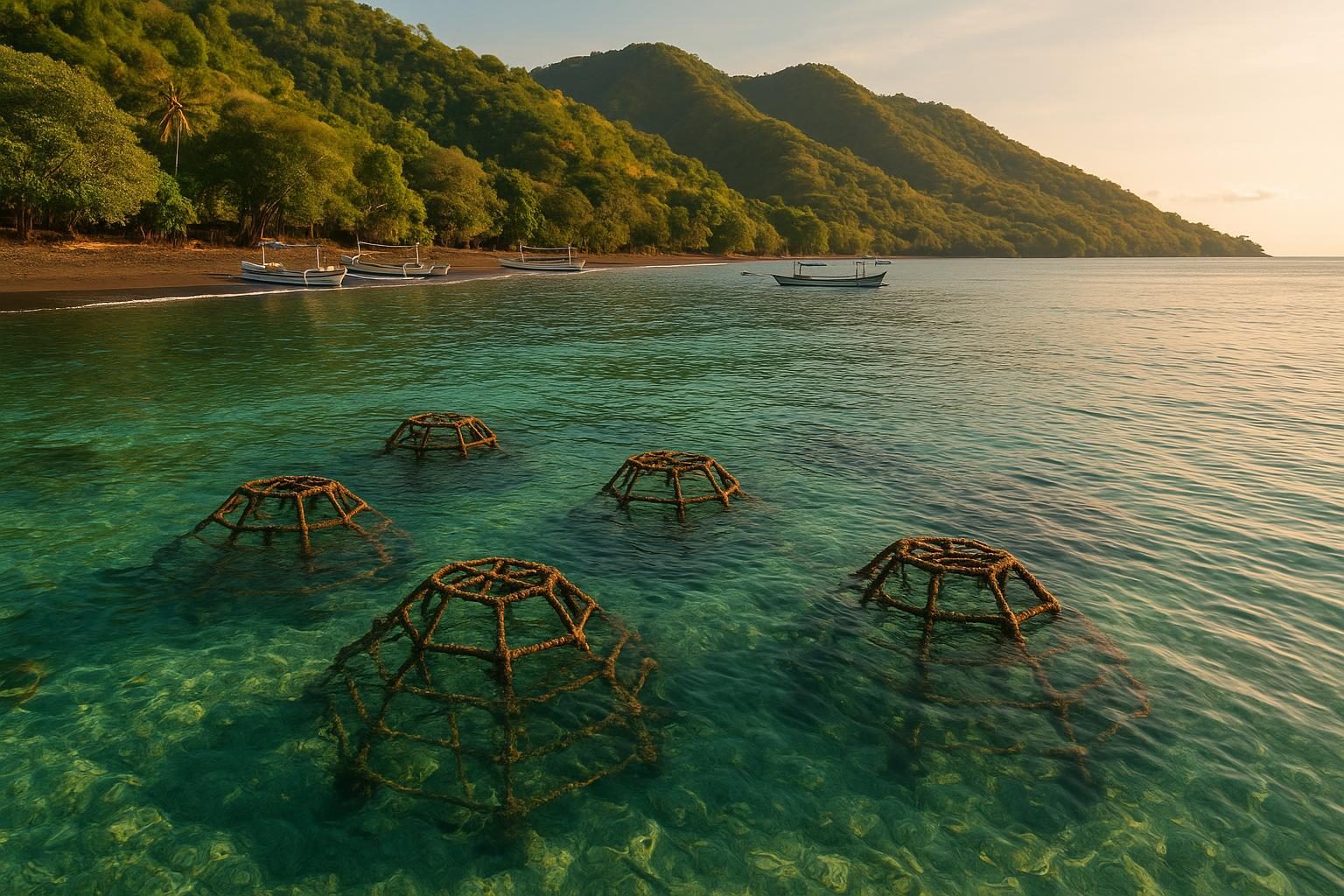
There is a moment, usually on the second morning, when the unhurried pace of Pemuteran stops feeling like an absence of things and starts feeling like the presence of something specific. The roosters at five. The fishing boats already out on flat water. The Biorock team's morning check of the reef structures. The smell of coffee from the warung that opens early by the beach.
Pemuteran is not dramatic. It is not a destination with a famous temple or a celebrated rice terrace or an art market that fills Instagram. What it has is a working bay, an extraordinary reef that its own community rebuilt from rubble, and a series of accommodations that, in their restraint and their relationship with the landscape, offer something genuinely different from what you will find anywhere else in Bali.
The Bay: What Makes It Distinctive
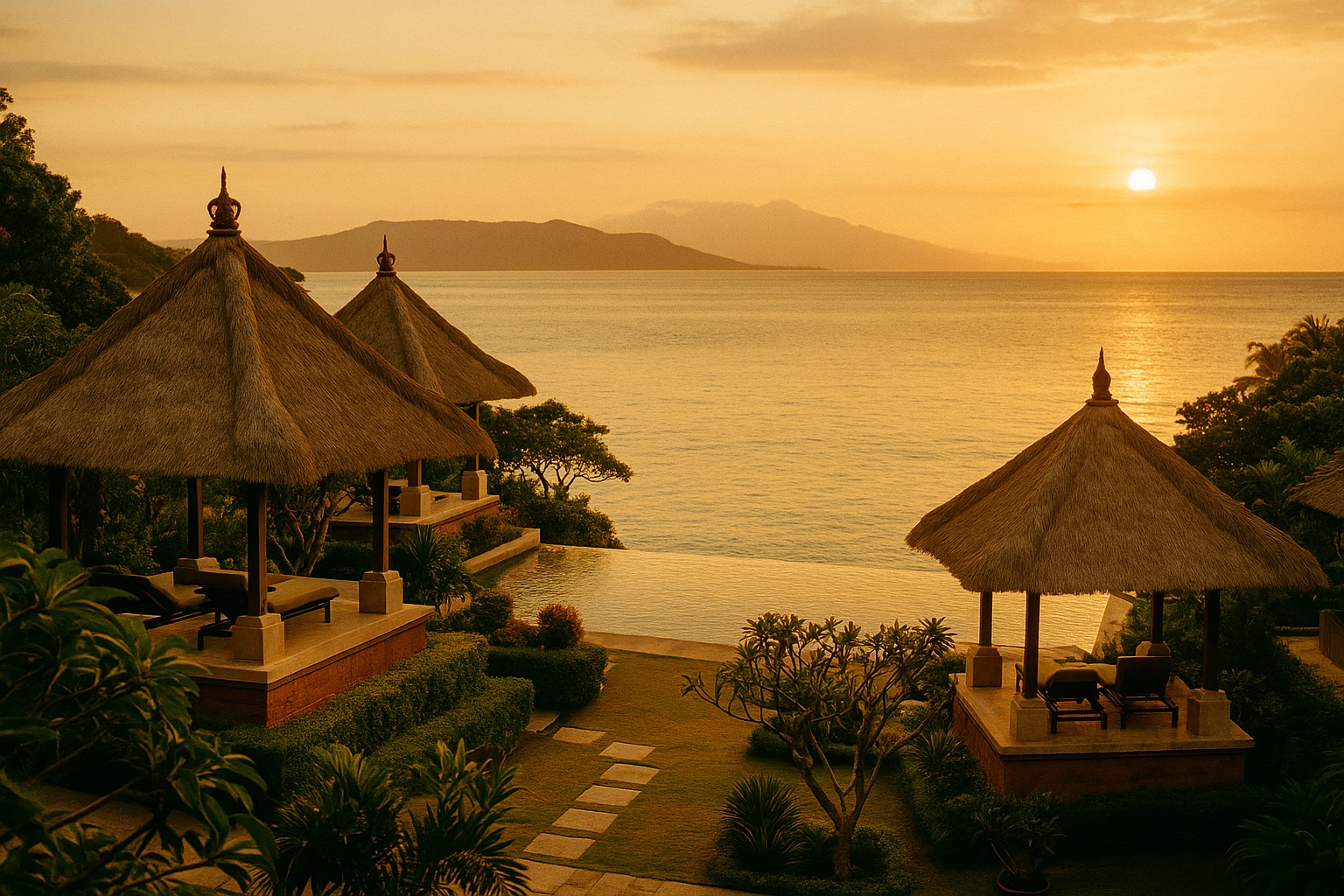
The geography of Pemuteran Bay is the reason everything else here is possible. The bay faces northwest — which in Bali means it faces directly toward the eastern tip of Java, 45 kilometres across the Bali Strait. In every other part of the island, the ocean view is into open water or toward Lombok. Only here do you watch the sun set behind another landmass: the dark outline of Java's volcanic spine against the orange sky.
This northwest orientation also means the bay is sheltered from the trade winds that affect Bali's south and east coasts, creating the unusually calm surface conditions that make the snorkelling and diving so reliable. The bay is wide and open, but the sea inside it is consistently gentle.
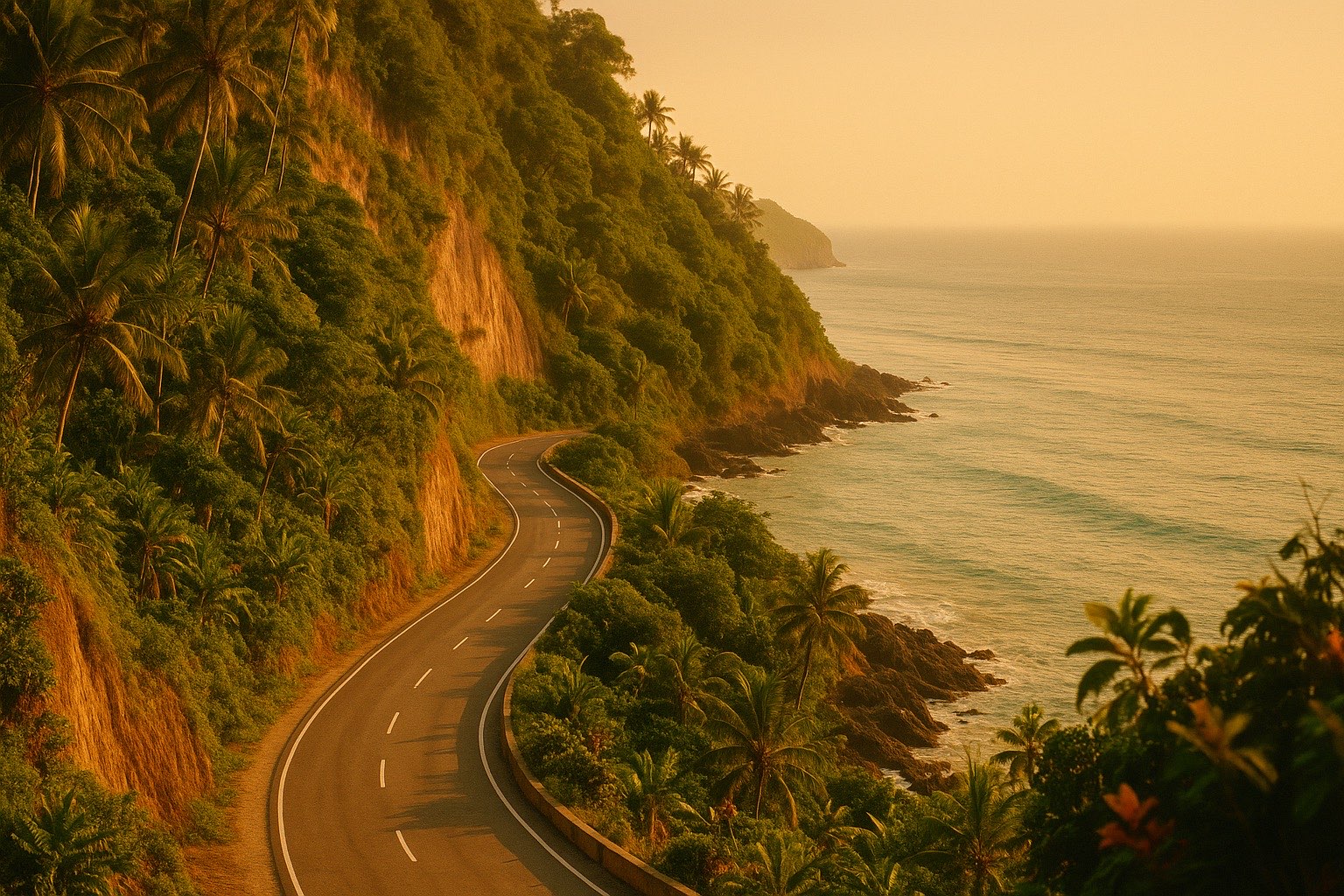
The village itself sits along a single main road that runs parallel to the beach, backed by low dry hills with an open, sparse quality unlike the dense tropical green of central Bali. The landscape here belongs to the dry season — even in the wet months, northwest Bali is significantly drier than the south. The light is different: harder, brighter, with longer shadows in the early morning.
Taman Sari: The Resort That Defined Pemuteran
Taman Sari Bali Resort is arguably the property that put Pemuteran on the map for the kind of traveller who values design and stillness over pool parties and sunset cocktail bars. The resort's architecture is an exercise in traditional Balinese building translated into something quietly contemporary — thatched roofs, carved stone, open-air bathrooms, sleeping pavilions that blur the line between inside and outside.
The bale-style cottages and villas at Taman Sari are set in gardens that have been planted with a density and maturity that makes the whole compound feel genuinely secluded. Frangipani, hibiscus, heliconia. Pathways laid with black volcanic stone. The pool positioned for the Java sunset view.
What distinguishes Taman Sari from comparable boutique properties elsewhere in Bali is the absence of performance. There is no lobby designed for a first-impression photograph. There is no curated 'Bali experience' on offer. There is simply a well-run, thoughtfully designed property at the edge of a reef, in a village that has chosen its own priorities carefully.
The resort's dive centre runs trips to the Biorock structures and to Menjangan Island — for guests who want to combine the physical comfort of a boutique resort with serious underwater access, it is a difficult combination to beat anywhere in Indonesia.
Puri Ganesha: The Other Legend
At the eastern end of the bay, set back slightly from the beach in its own large garden, Puri Ganesha Villas is Pemuteran's other landmark accommodation — and the older of the two. Founded by Diana von Cranach, a German-born food writer and designer who arrived in Bali in the 1980s and chose this bay over all the alternatives, Puri Ganesha operates as a compound of four individual villas with a private chef, a library, and the particular atmosphere of a home that has been lived in carefully over decades.
It is a property for travellers who find a hotel lobby alienating, who want to cook with the chef, eat at a single long table with other guests if they choose, and spend a week moving between the ocean and a book. The guest numbers are small enough — maximum eight people — that privacy is structurally guaranteed.
Eating in Pemuteran: The Beachfront Warungs
The food scene in Pemuteran is small and good. This is not a village with restaurants competing for Michelin recognition, but the warungs and small restaurants along the beachfront serve fresh fish, good Indonesian staples, and — increasingly — the kind of vegetable-forward cooking that reflects an international visitor base.
Warung Pemuteran on the main drag is the dependable local option — nasi campur, grilled fish, cold Bintang, plastic chairs on the sand. Pondok Wisata is slightly more polished, with a menu that bridges Indonesian and Western, and tables that catch the evening breeze off the water. For something quieter and more curated, the dining at Puri Ganesha — available to non-guests with advance reservation — is genuinely special: locally sourced, Indonesian-influenced, and served in a garden setting that is hard to match.
One practical note: there is no significant nightlife in Pemuteran. The village is quiet after nine. This is not a shortcoming for most of the people who come here.
Who Comes to Pemuteran — and Why
The visitor profile in Pemuteran is consistently distinct from the mass-tourism demographics of south Bali. Divers form the core — people who have come specifically for Menjangan Island or the Biorock reef and want to base themselves close to the water rather than commuting from Lovina or Ubud.
Beyond divers: couples looking for the kind of quiet that Seminyak has permanently lost. Travellers returning to Bali for the fourth or fifth time, who have already done the south and want something different. Marine biologists and conservation-focused visitors who want to see the Karang Lestari project. And an increasing number of people who simply heard that the sunsets were unlike anywhere else in Bali, and came to check.
They are right, by the way. The Java sunset — the slow descent of the sun behind the volcanic outline of another island, the water going from silver to gold to copper — is something you can only see from this corner of Bali. It happens every clear evening, for free, from any point along the beach. No reservation required.