Biorock Pemuteran: Snorkel the World's Largest Reef Project
Off a quiet beach in north Bali, electrified reefs are growing coral back from scratch — and you can snorkel right over them, for free, no boat needed.
Pemuteran Biorock: Snorkel the World's Largest Reef Project
Most of Bali's famous reefs took millions of years to build. The one at Pemuteran took twenty-five — and it was built on purpose.
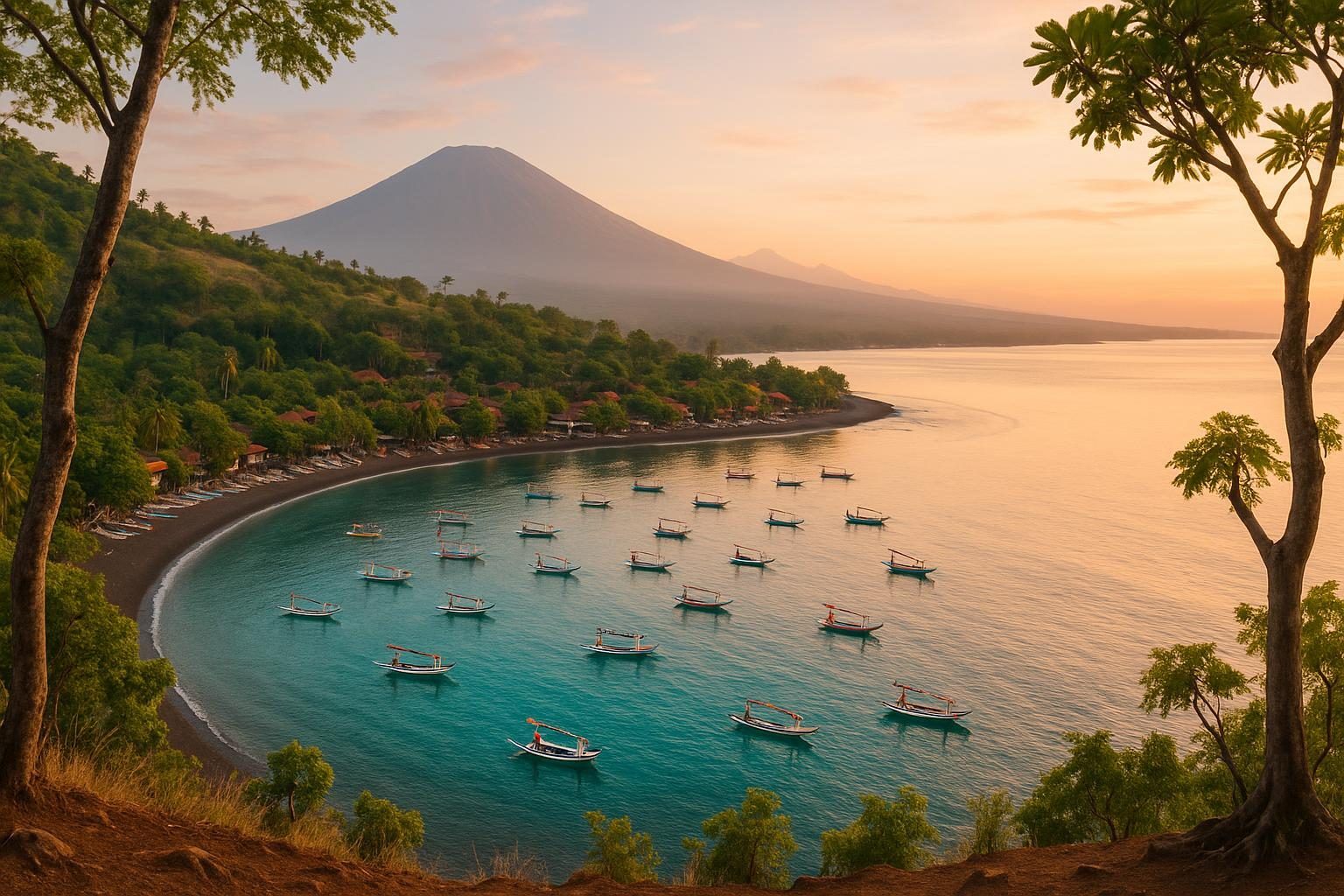
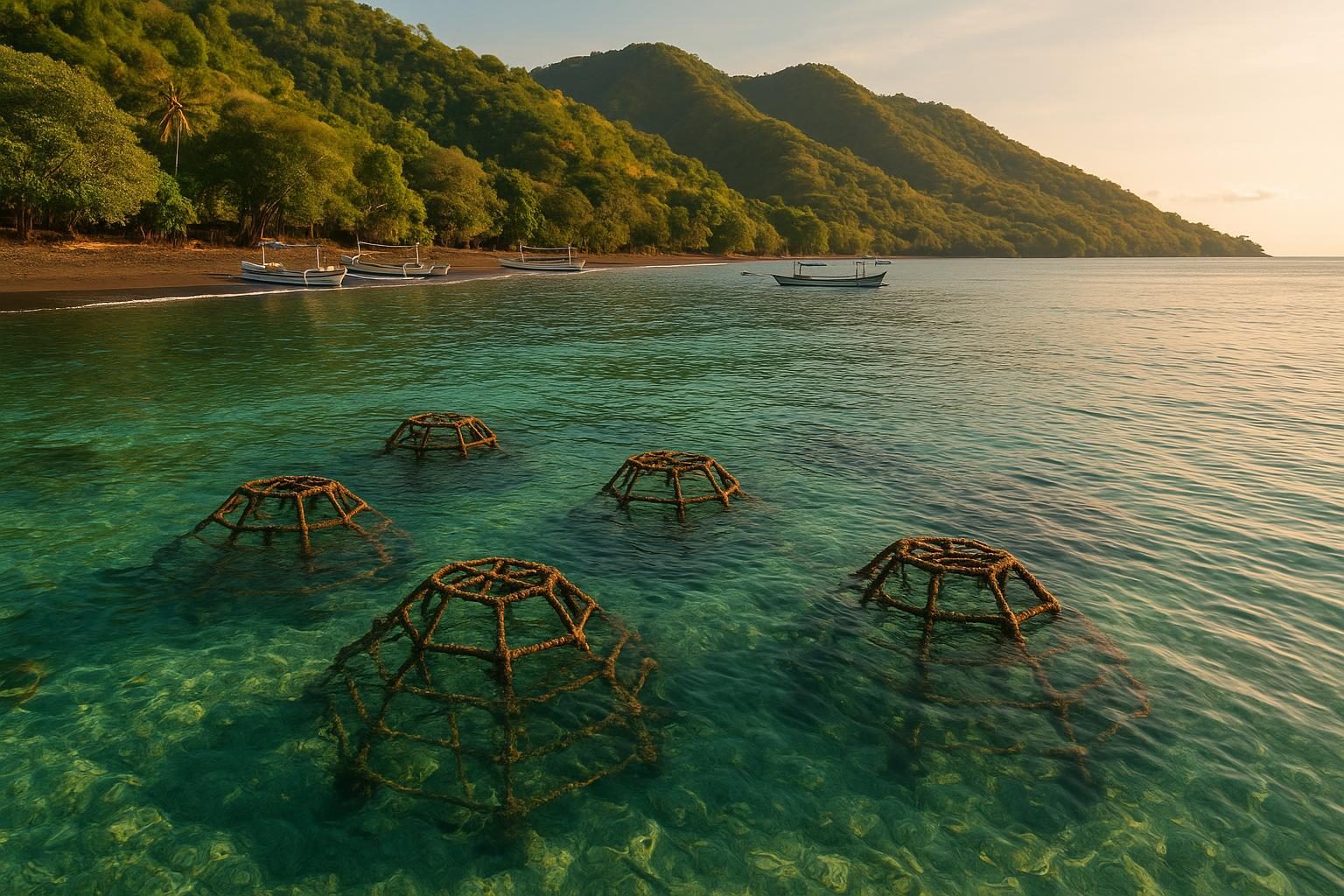
On the north-west coast, a four-and-a-half-hour drive from the airport crowds, a sleepy fishing village faces a bay full of steel frames humming with a faint electrical current. That current is slowly growing a coral reef back from almost nothing. You can wade in from the beach, put your face in the water, and watch it happen. No boat, no dive certification, no entrance fee.
What the Biorock Project actually is
In 2000, local dive operator Yos Amerta invited scientists Wolf Hilbertz and Tom Goreau to Pemuteran after decades of blast fishing and cyanide fishing had stripped the bay's reefs bare. Working with the Global Coral Reef Alliance, they installed the first Biorock structures — welded steel frames connected to a low-voltage current that causes dissolved minerals in seawater to crystallise into limestone on the metal. Coral fragments attached to the frames grow two to six times faster than they would naturally, and the oxygen-rich water around the structures pulls in fish almost immediately.
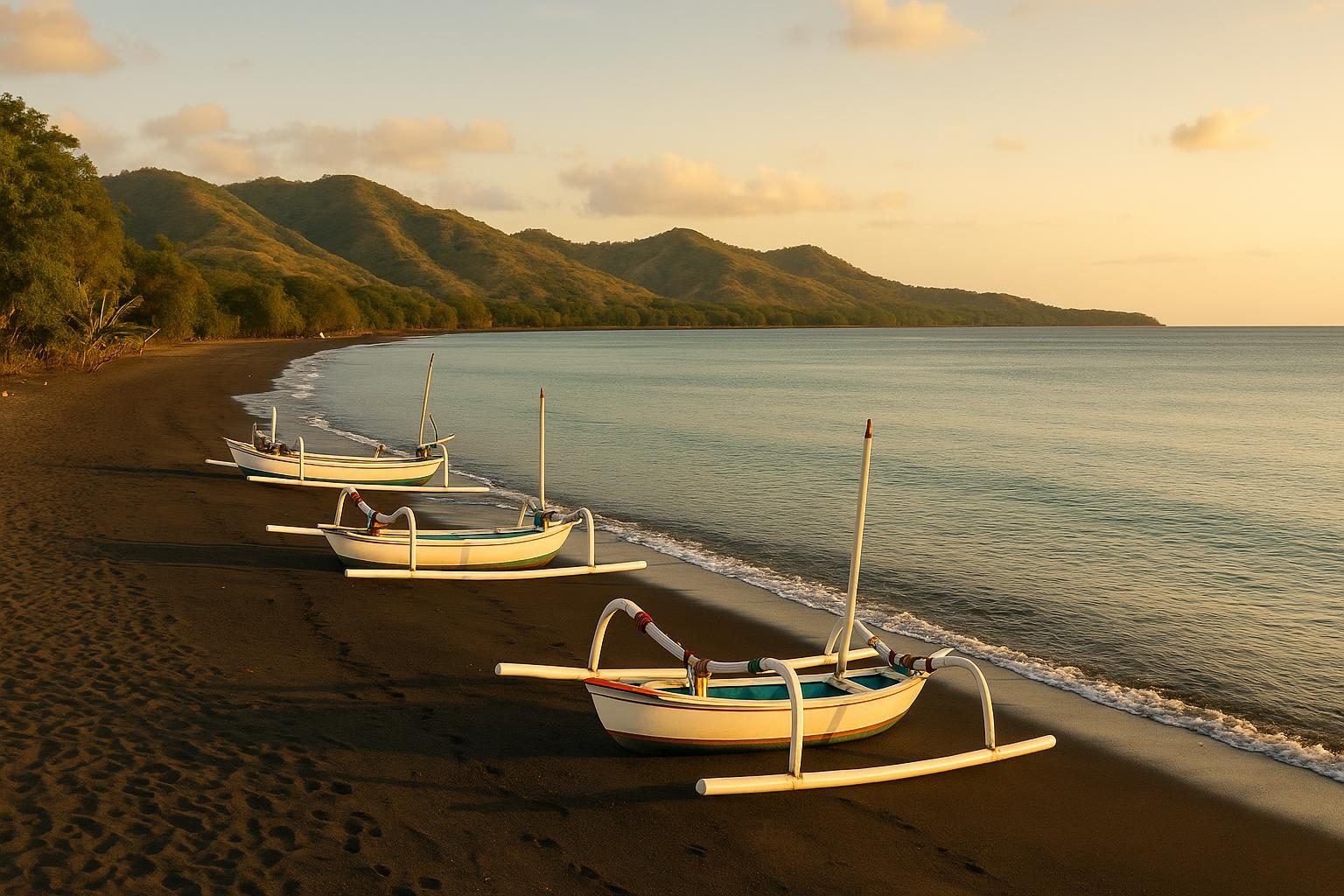
A quarter-century later, it's the largest Biorock coral reef restoration project on the planet — more than 100 structures across roughly 2 hectares, outsizing every other Biorock site in the Pacific, Caribbean and Indian Ocean combined. In 2012 the UN Development Programme gave it the Equator Prize as the world's largest, longest-running and most effective coral restoration effort. The knock-on effect is visible even above water: locals say the beach itself has widened over the years as the regrown reef breaks the waves, and the sand has shifted from black volcanic grit toward pale limestone.
Snorkeling the reef
This is the part that makes it a genuine "site touristique" rather than just a conservation project you read about: you get in the water yourself.
The easiest access point is the shore entry near Taman Sari Bali Resort & Spa, about five minutes' walk along the beach, where a marked flag shows where to enter. Bring or rent a mask and snorkel from any of the small operators along the shore, wade out over the sand, and the first frames appear within a few dozen metres — no boat required. Expect sailfin tangs, wrasse, damselfish and the occasional scorpionfish weaving between structures at different growth stages, some barely colonised, others thick with staghorn and table coral after years underwater. Divers who go a little deeper can spot nudibranchs and frogfish tucked into the frames, and there's a submerged "temple garden" feature built into part of the reef that's worth asking your operator about.
Snorkeling the marked sections yourself costs nothing beyond gear rental. A guided discovery scuba dive with a local operator typically starts around USD 75. If you want to support the restoration directly, the project accepts "adopt a coral" donations from roughly USD 30, with photo updates as your fragment grows — details are on the Global Coral Reef Alliance site.
Beyond the reef
Pemuteran is also the launch point for boats to Menjangan Island inside West Bali National Park, generally rated among the best snorkeling and diving in Bali for its steep drop-offs and clear water — a 30-minute boat ride from nearby Labuhan Lalang. Inland, the coastal temple complex around Pura Pulaki sits at the foot of the hills a short drive east, one of Bali's chain of sea temples, best known for the troop of macaques that has watched over it for centuries. Neither needs to be rushed on the same day as the reef — Pemuteran rewards a slower pace than the south of the island.
Practical tips
- Best time: dry season (roughly April to October) gives the clearest water for both snorkeling and photography, though the reef is accessible year-round.
- Getting there: budget the better part of a day from south Bali — it's about 4.5 hours by car from Denpasar Airport, or take a public bus along the Gilimanuk–Lovina–Singaraja route and arrange a driver for the last stretch.
- Gear: pack reef-safe sunscreen — this reef in particular doesn't need more chemical stress after twenty-five years of rebuilding.
- Respect the frames: the structures are fragile while coral is still attaching; keep fins and hands off them, and follow the marked entry points rather than wading in wherever looks convenient.
- Where to base yourself: beyond Taman Sari, Adi Assri Beach Resort & Spa is another beachfront option in the village if you want a spa session to follow up the swim.
Pemuteran won't give you Bali's biggest crowds or its flashiest beach clubs — that's rather the point. What it gives you instead is a coral reef you can watch being rebuilt, one frame at a time, by wading a few metres off the sand.