North-East Bali
Temples, dolphins & black-sand coast
Bali's forgotten north-east coast
A corridor of black-sand villages, colonial-era temples and near-empty dive sites — stretching from Singaraja to Tulamben with almost no tourist infrastructure in between.
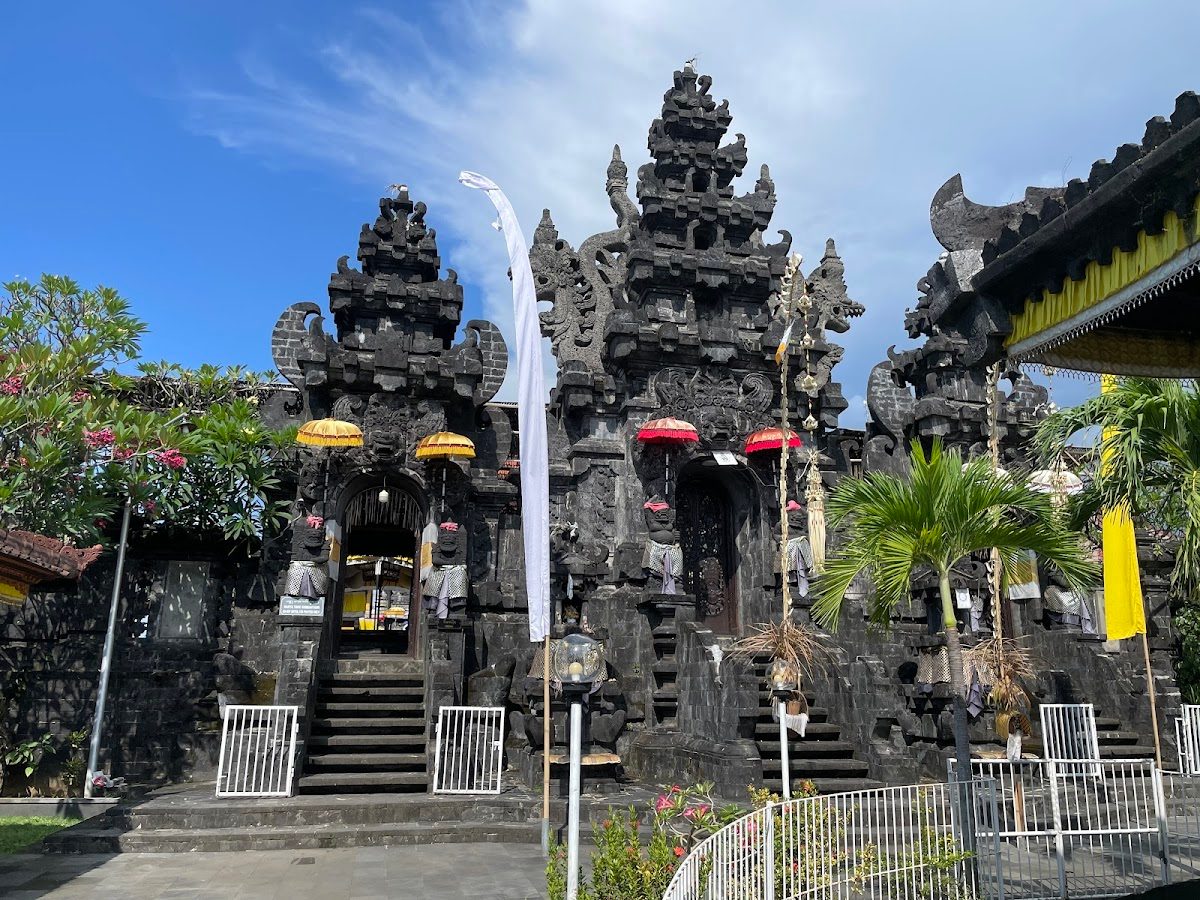
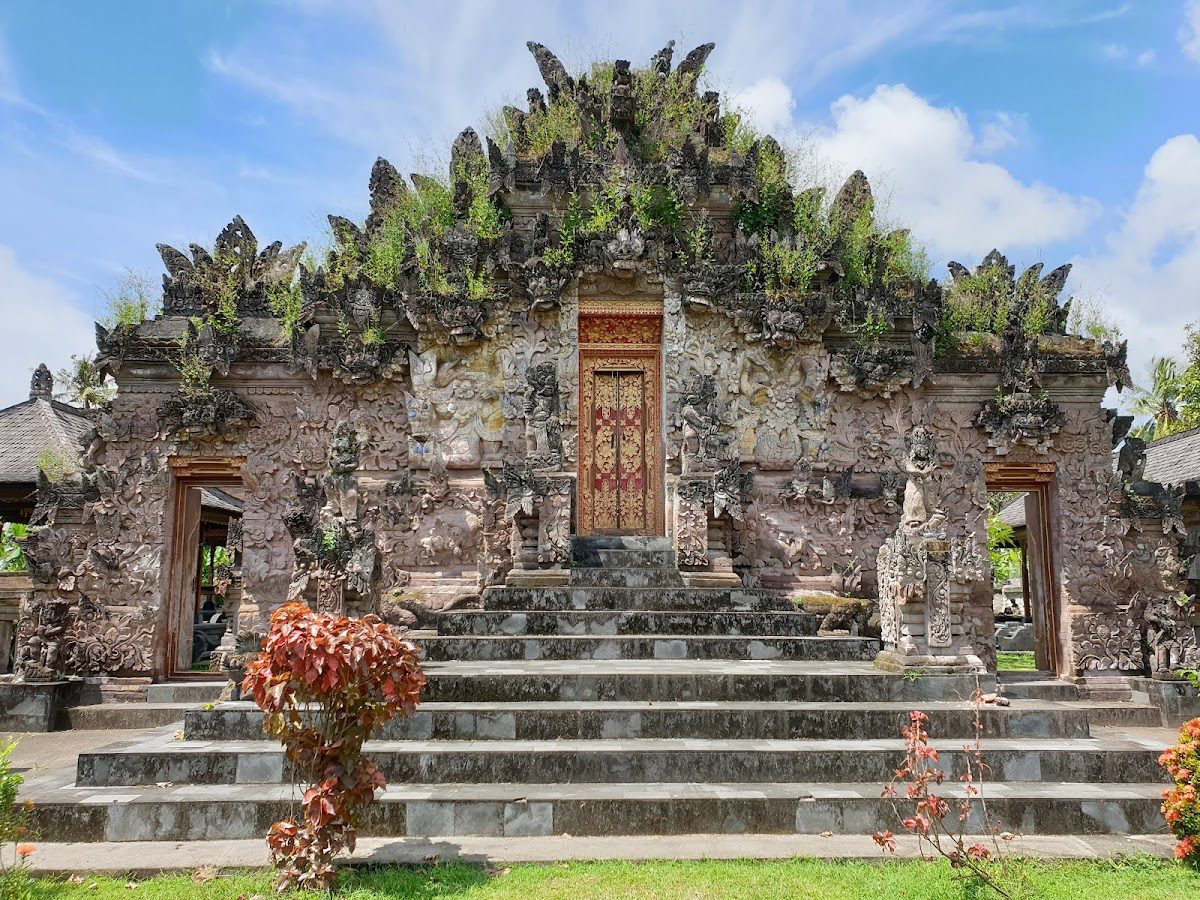
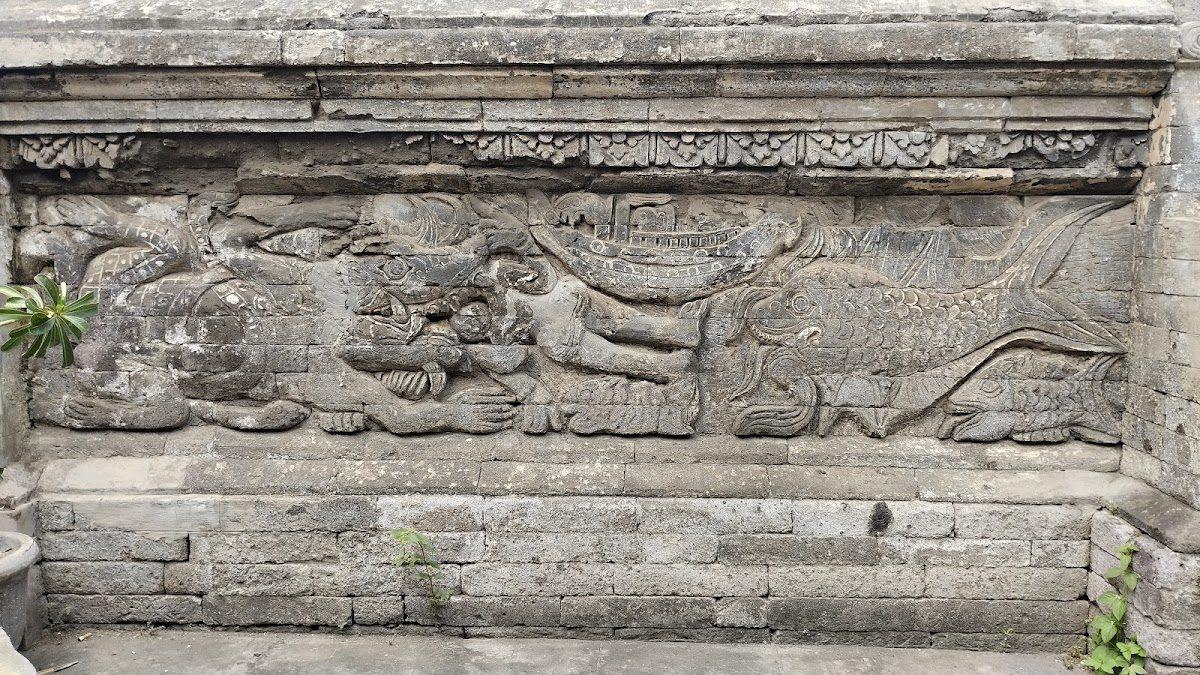
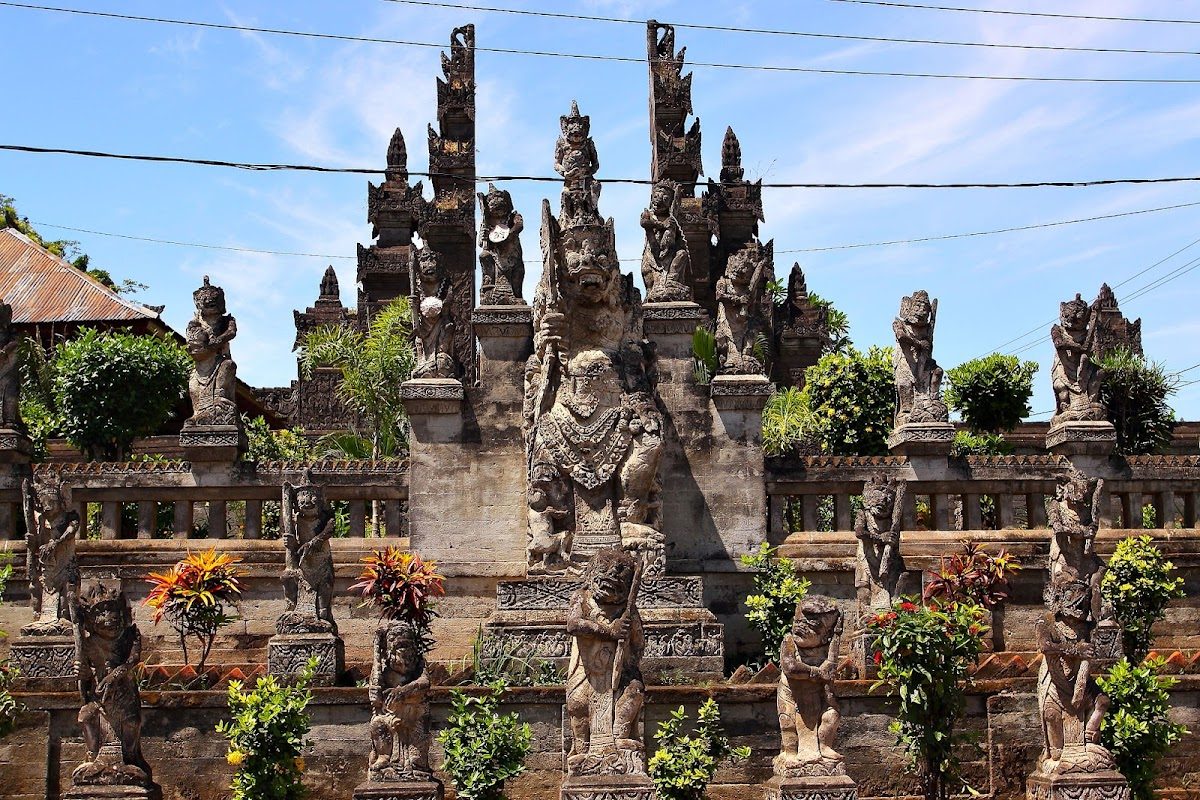
Along the north-east coast of Bali, the landscape tells a different story. The corridor from Singaraja to Tejakula is studded with temples whose stone reliefs record colonial encounters most visitors never hear about: a Dutch cyclist immortalised in 1890 bas-relief at Pura Maduwe Karang, a biplane and Model T Ford chiselled into Pura Dalem Jagaraga after the battles of 1849. History is carved into the coral-pink sandstone here, not sold in souvenir shops.
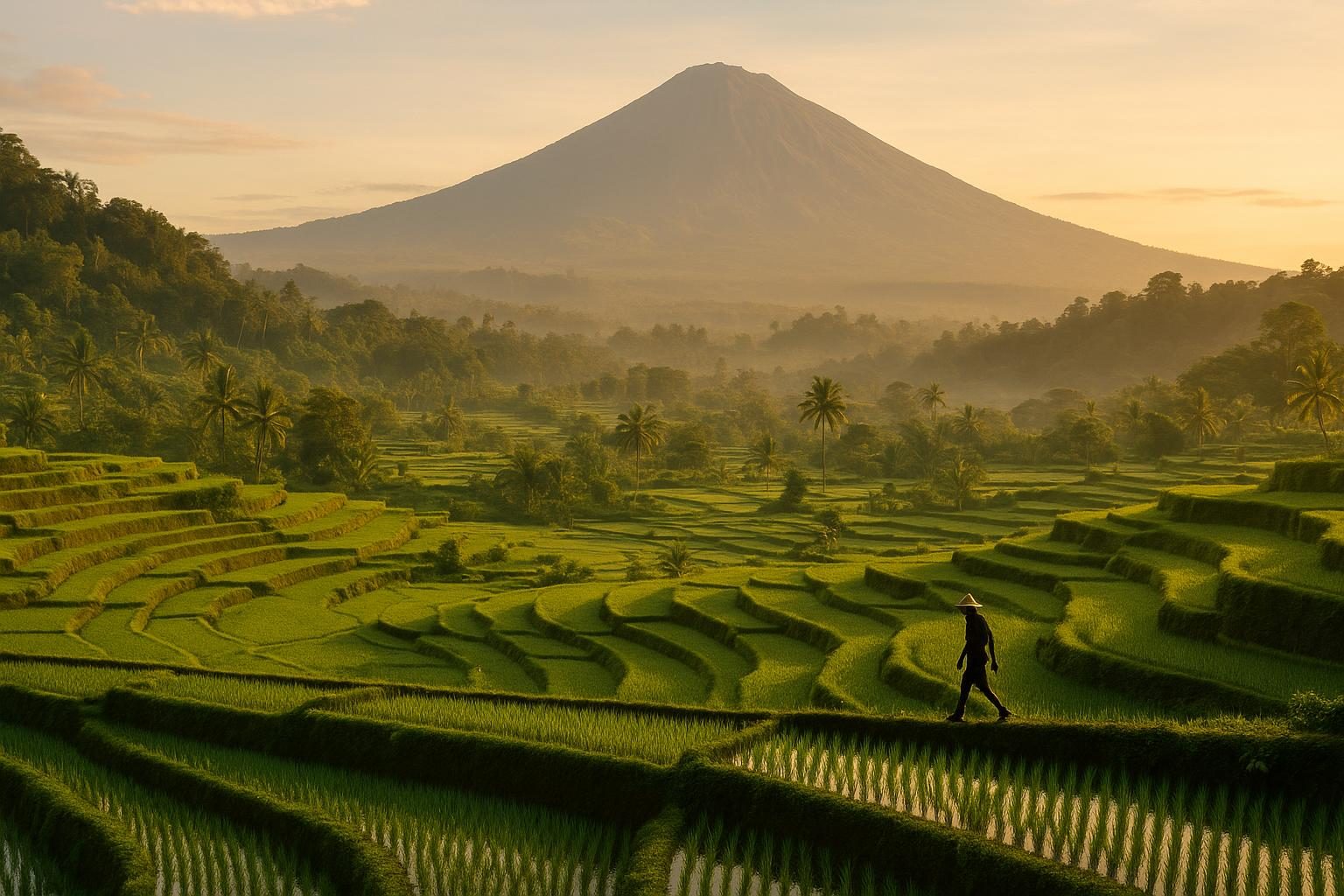
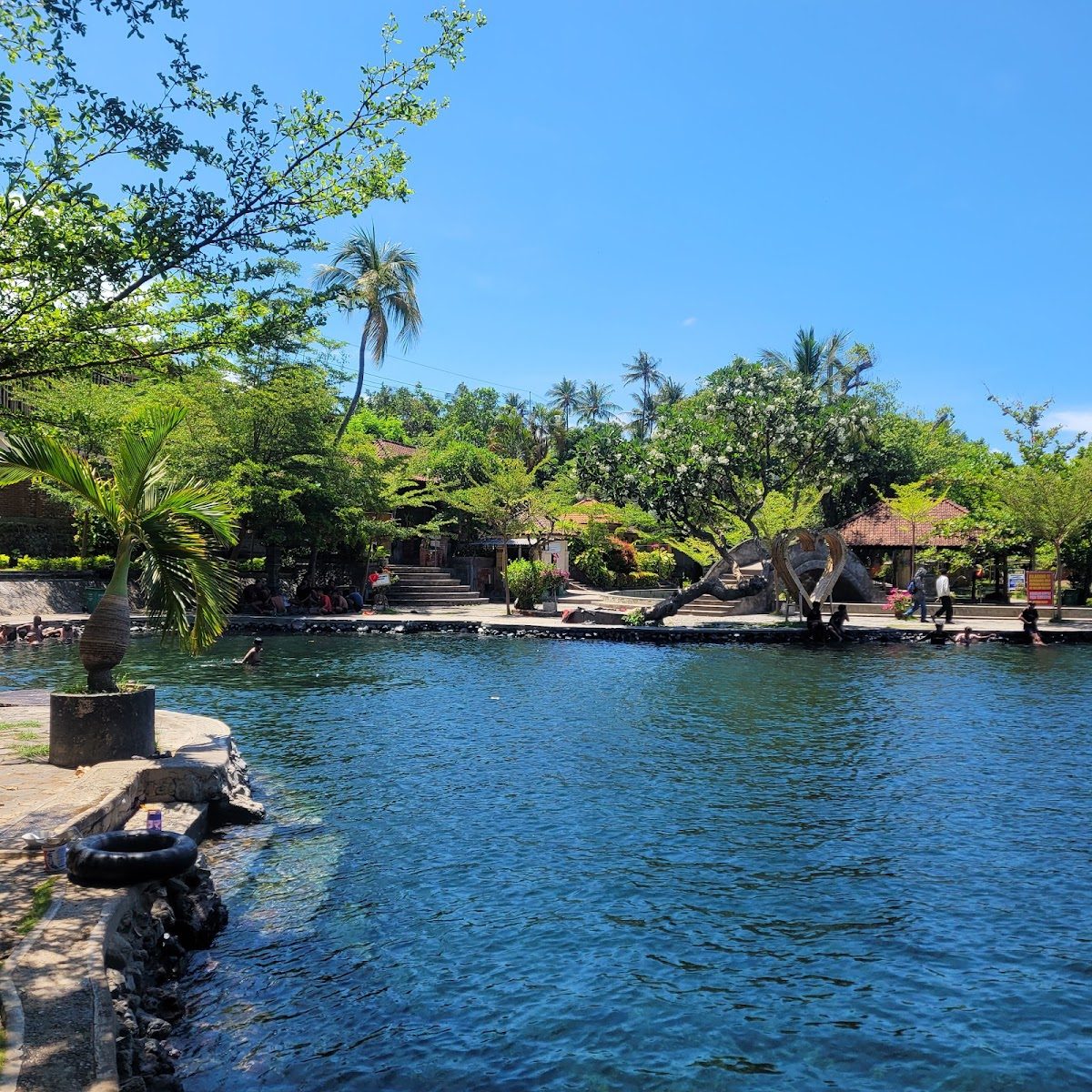
South of the temples, the coastline opens into volcanic-black beaches, freshwater springs that bubble up at the ocean's edge, and the USAT Liberty wreck at Tulamben — rated among the top ten dive sites in Asia by CNN, yet reachable by shore walk. Dolphins appear at dawn off Lovina. Rural spas charge a fraction of Seminyak prices. And the rice-terraced valley above Sembiran, one of Bali's oldest continuously inhabited settlements, remains almost entirely free of day-trippers. Come before the rest of the world catches on.
Temples & wonders
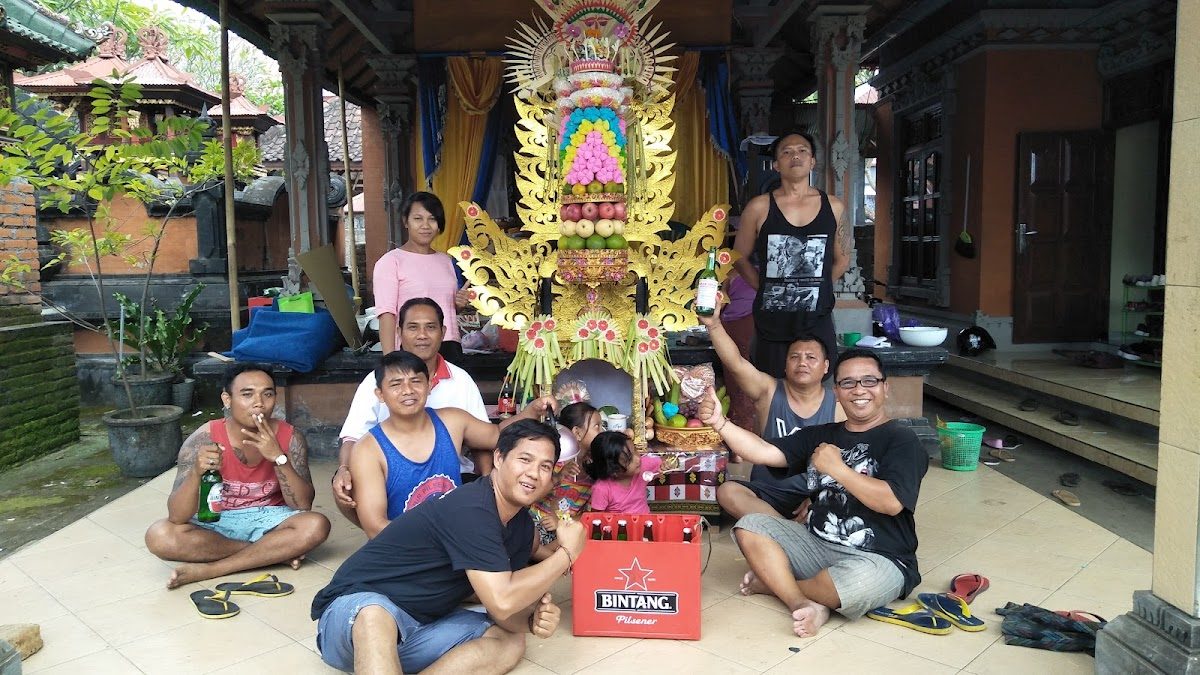
Where to stay
- ★ Featured
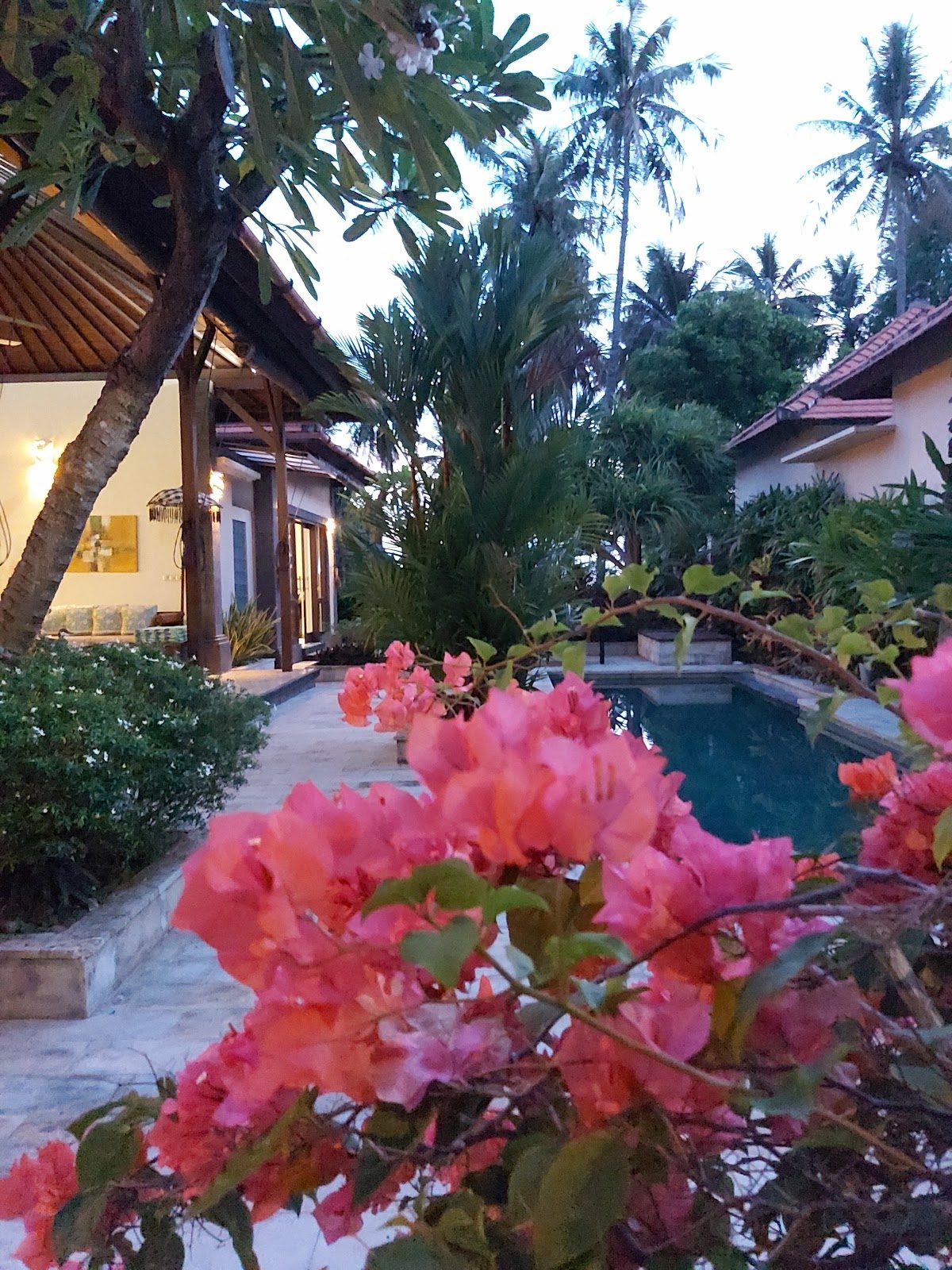
- ★ Featured
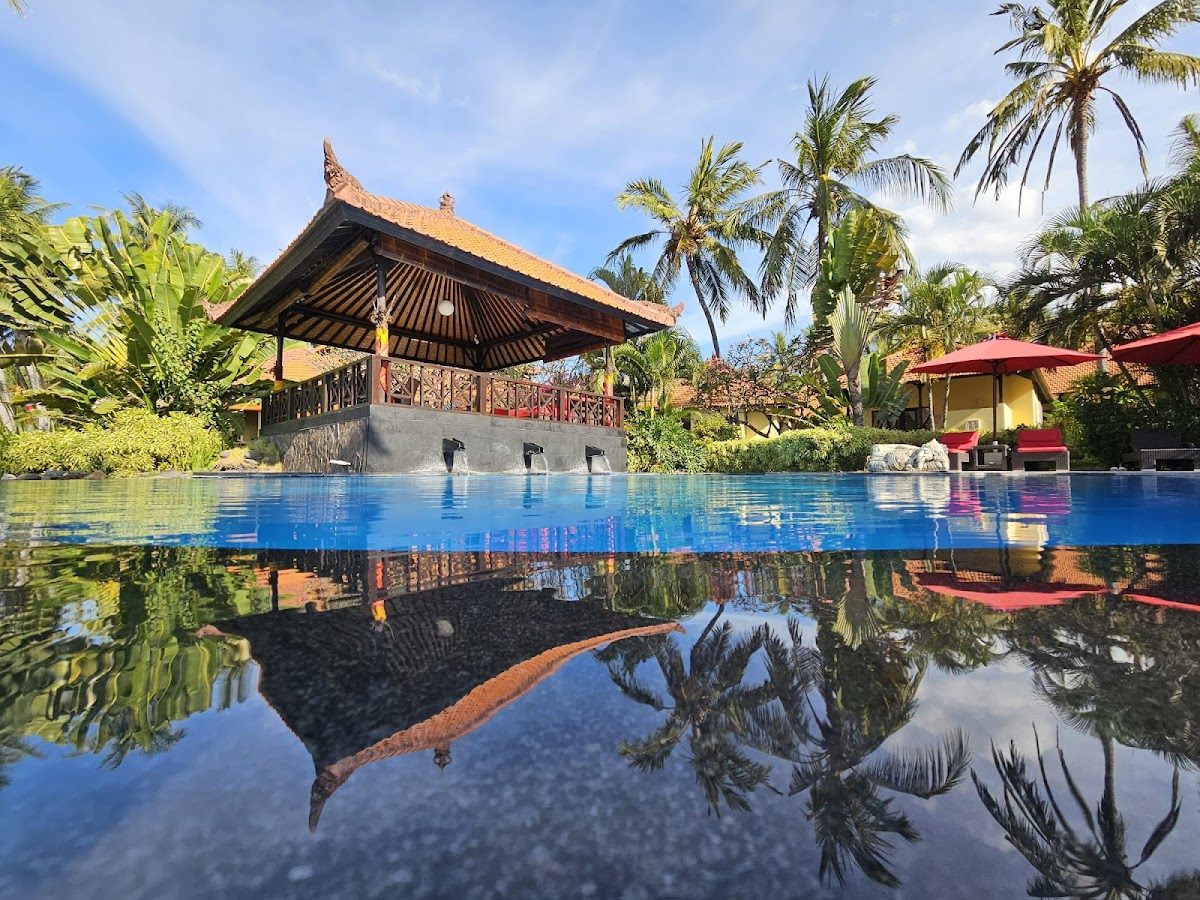
- ★ Featured
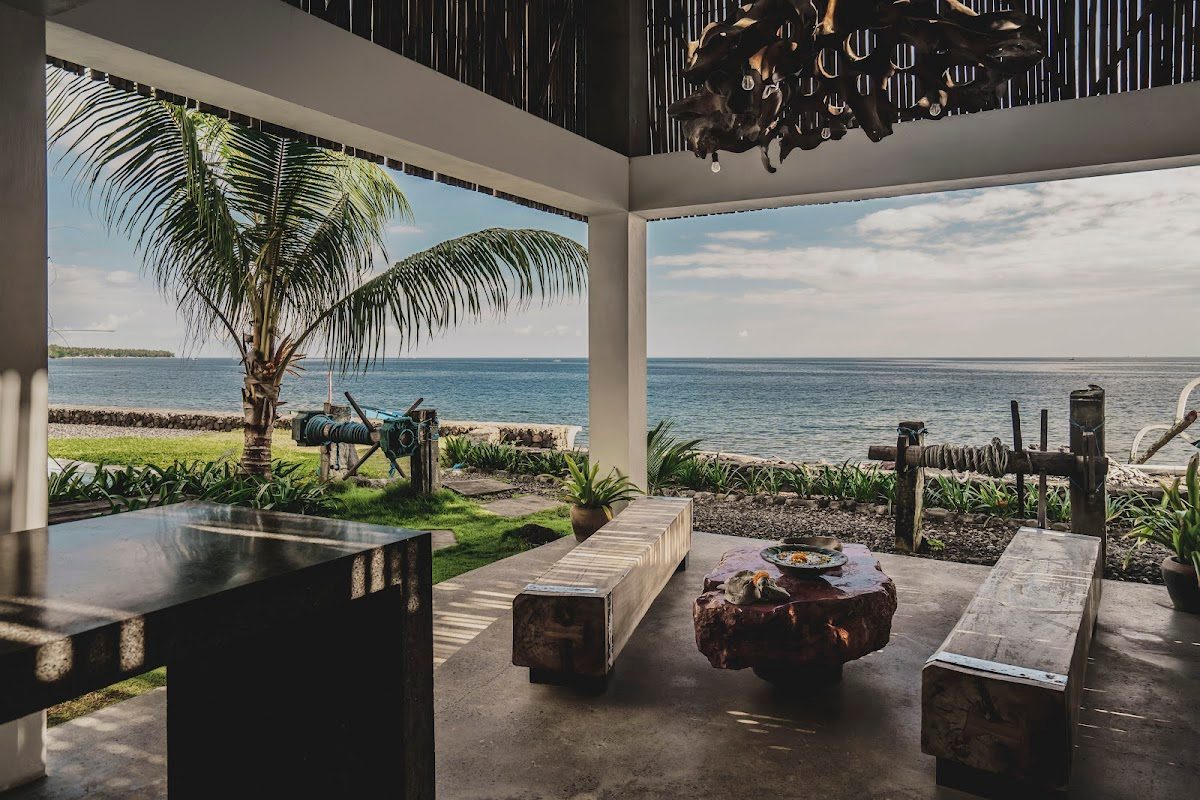
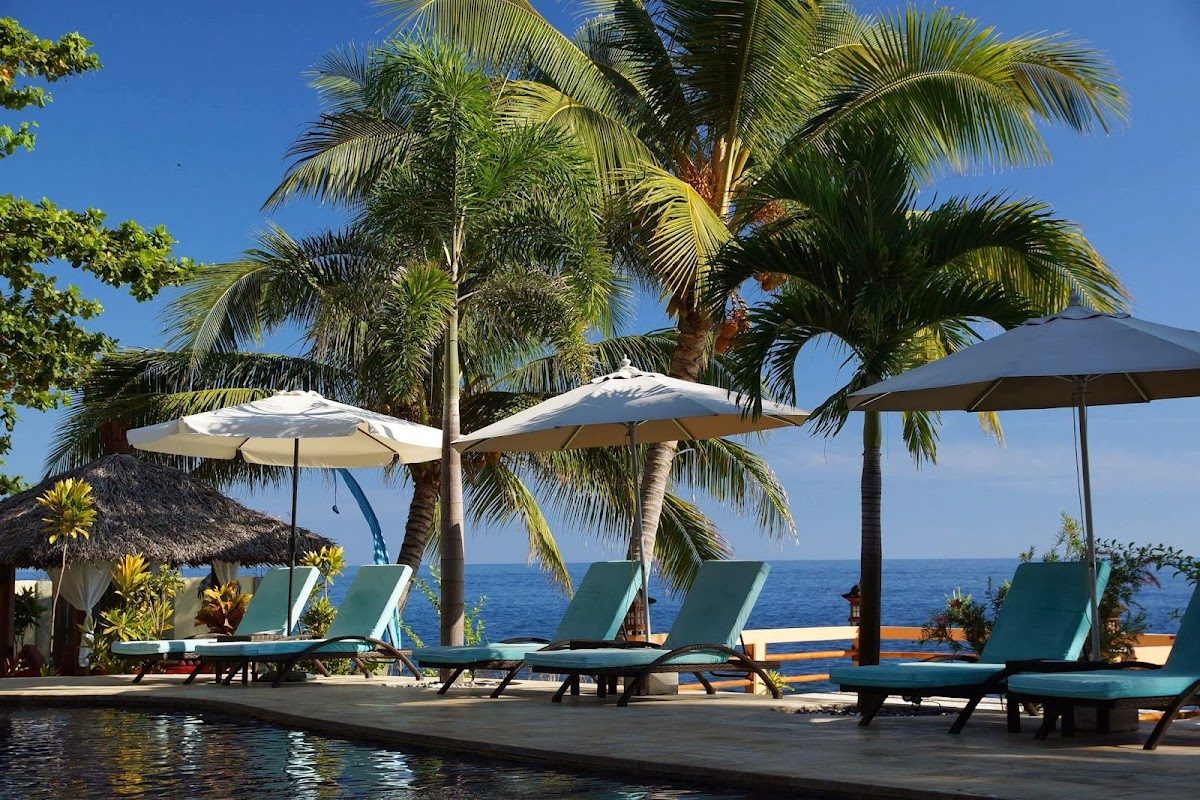
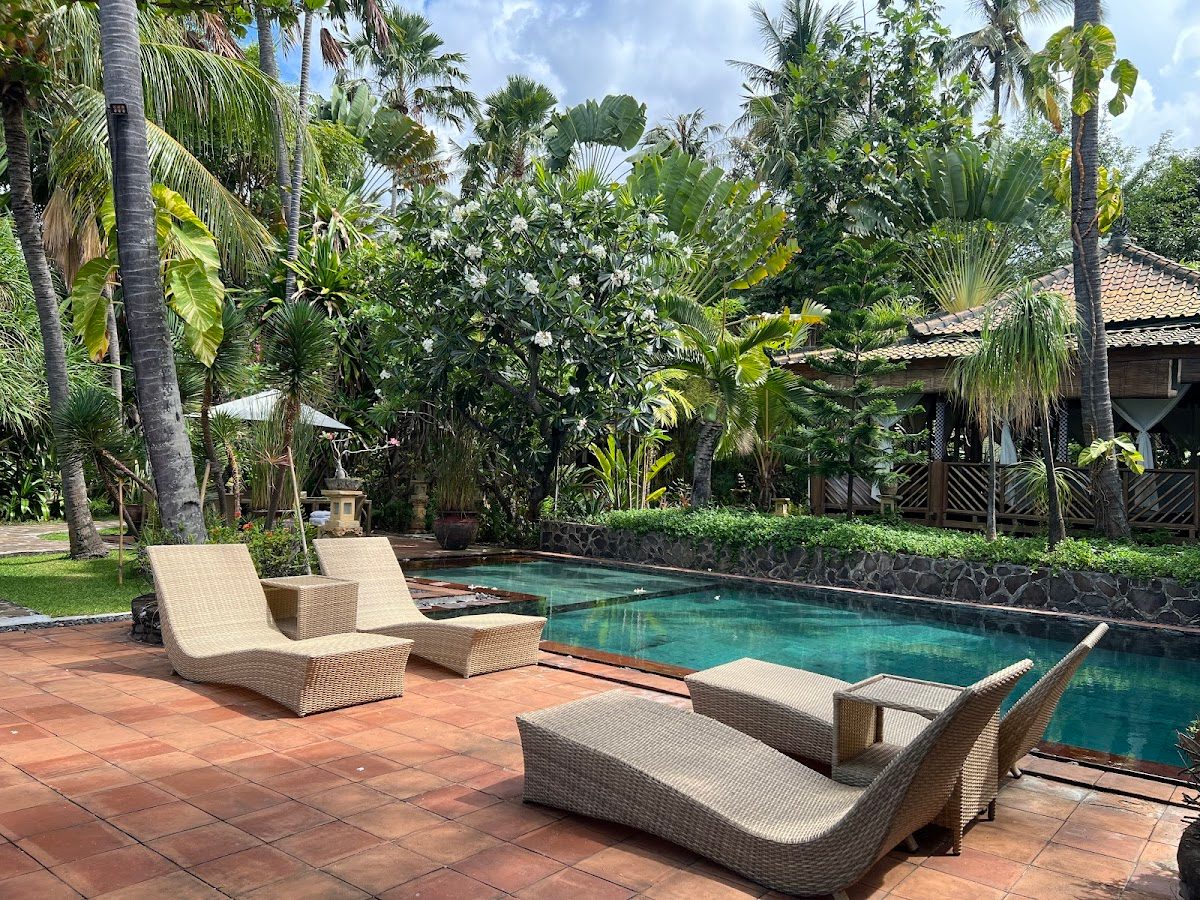
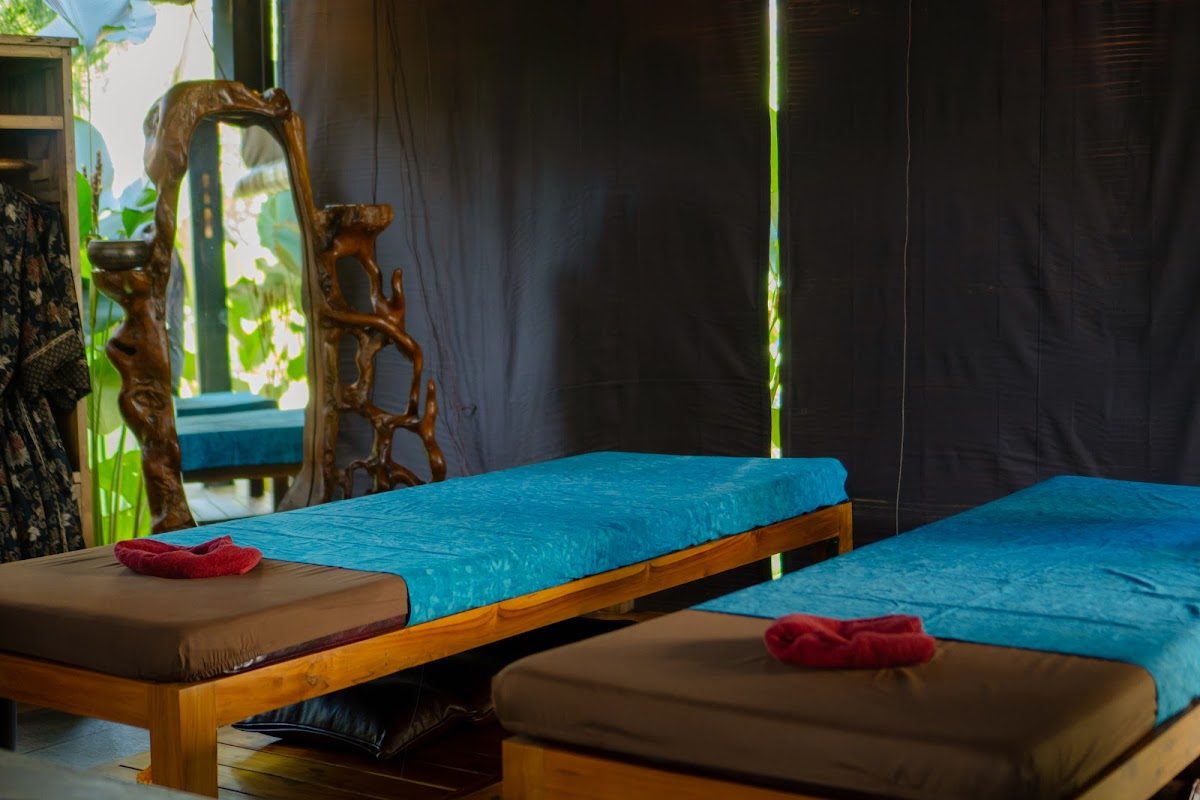
Spa & wellness
From the journal
Lovina Sunrise Dolphin Watching: What to Really Expect
Wild spinner dolphins at sunrise on a black sand beach: how the Lovina boat tour really works, and how to dodge the crowds.
Diving from Sanur: Manta Rays & Mola Mola
Sanur's calm harbour is Bali's easiest launchpad for world-class diving in Nusa Penida. Here's how to get there, what you'll see, and who to dive with.
Trekking Sidemen's Rice Terraces to Mount Agung
A gentle walk through Sidemen's cascading rice terraces in East Bali, with Mount Agung as your backdrop — no gym legs required.