Ubud
Jungle & rice terraces
Ubud is the soul of Bali — a green highland town where rice terraces meet jungle mist, gamelan fills temple courtyards and the island goes deepest.
Ubud doesn't announce itself — it draws you in slowly, through the smell of clove incense hanging in warm air, the sound of a distant waterfall, the sight of a priest placing flowers on a moss-covered shrine. Bali's cultural heart sits at an altitude where the heat softens and the light turns gold by four o'clock.
This is a place built around ceremony, craft, and stillness. Market vendors weave offerings at dawn; painters work in open studios above the gorge; healers receive visitors in villages that haven't changed their rhythms in centuries. Ubud rewards those who slow down enough to notice — and it rewards them generously.
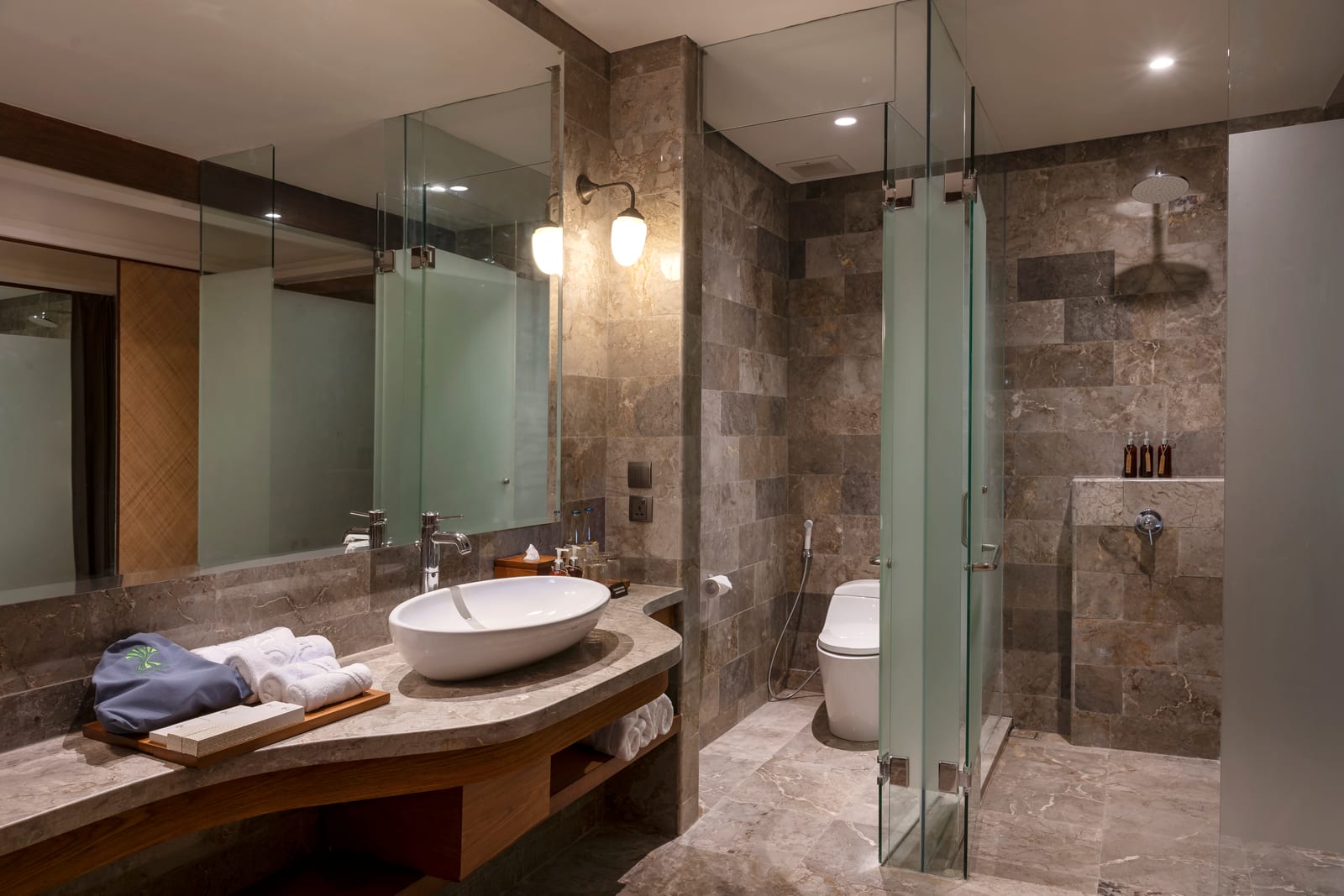
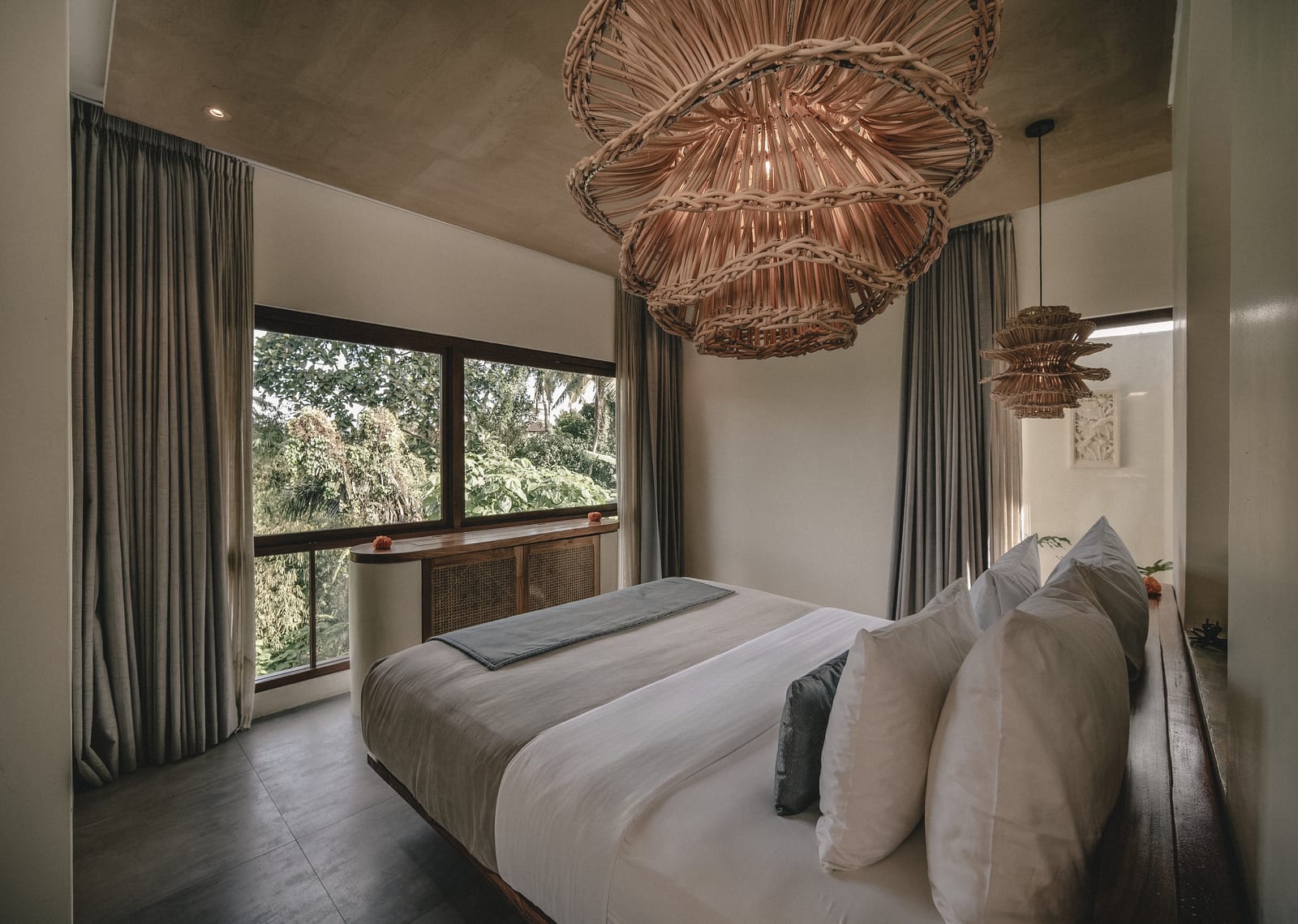
Where to stay
Things to do
- ★ Featured
Explore Ubud
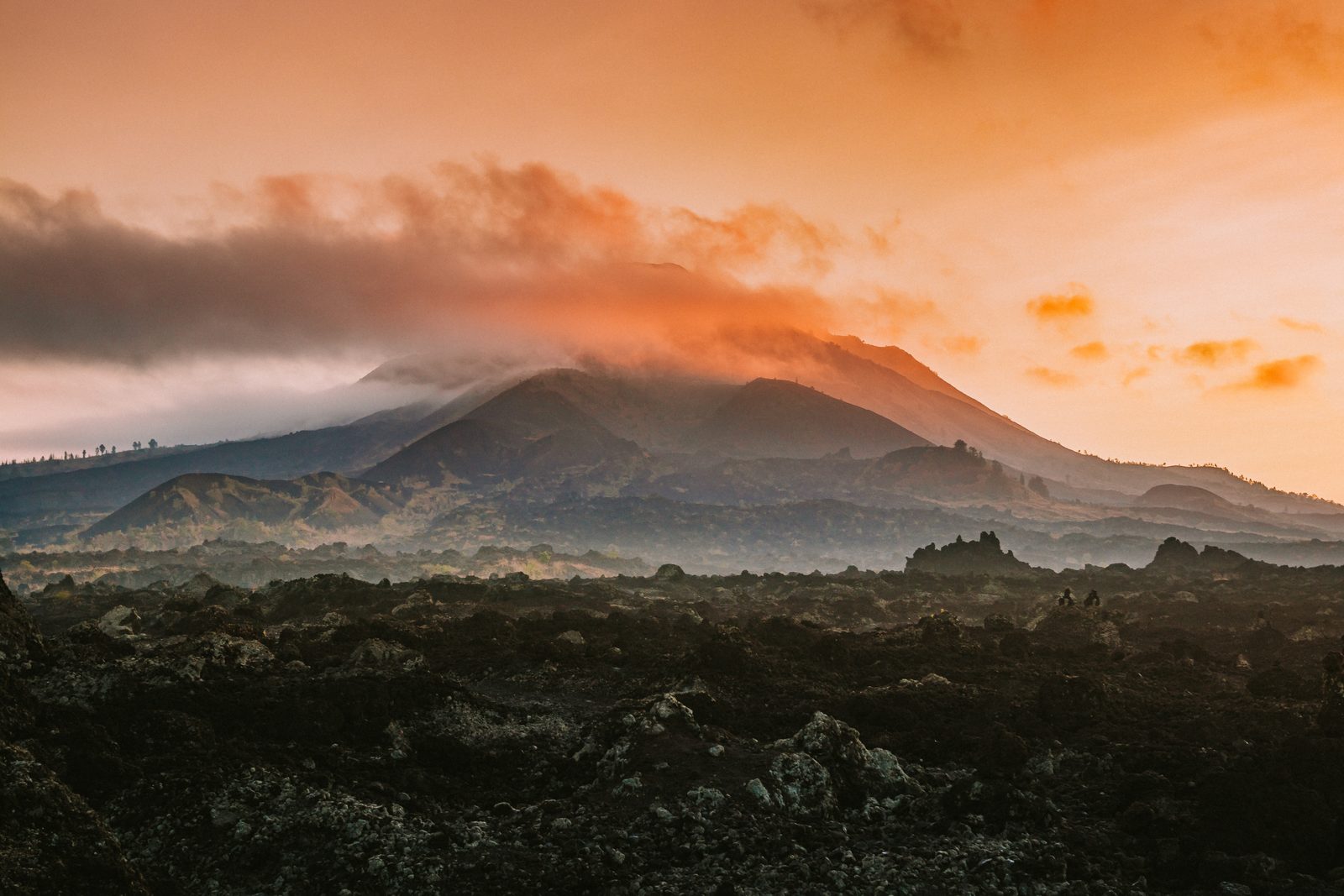
Start before sunrise at Campuhan Ridge Walk, where a narrow path threads between two sacred rivers and rises into an open ridge of swaying alang-alang grass. At dawn the valley below fills with mist and the trail is nearly empty — just you, birdsong, and a view that stretches to the volcano.
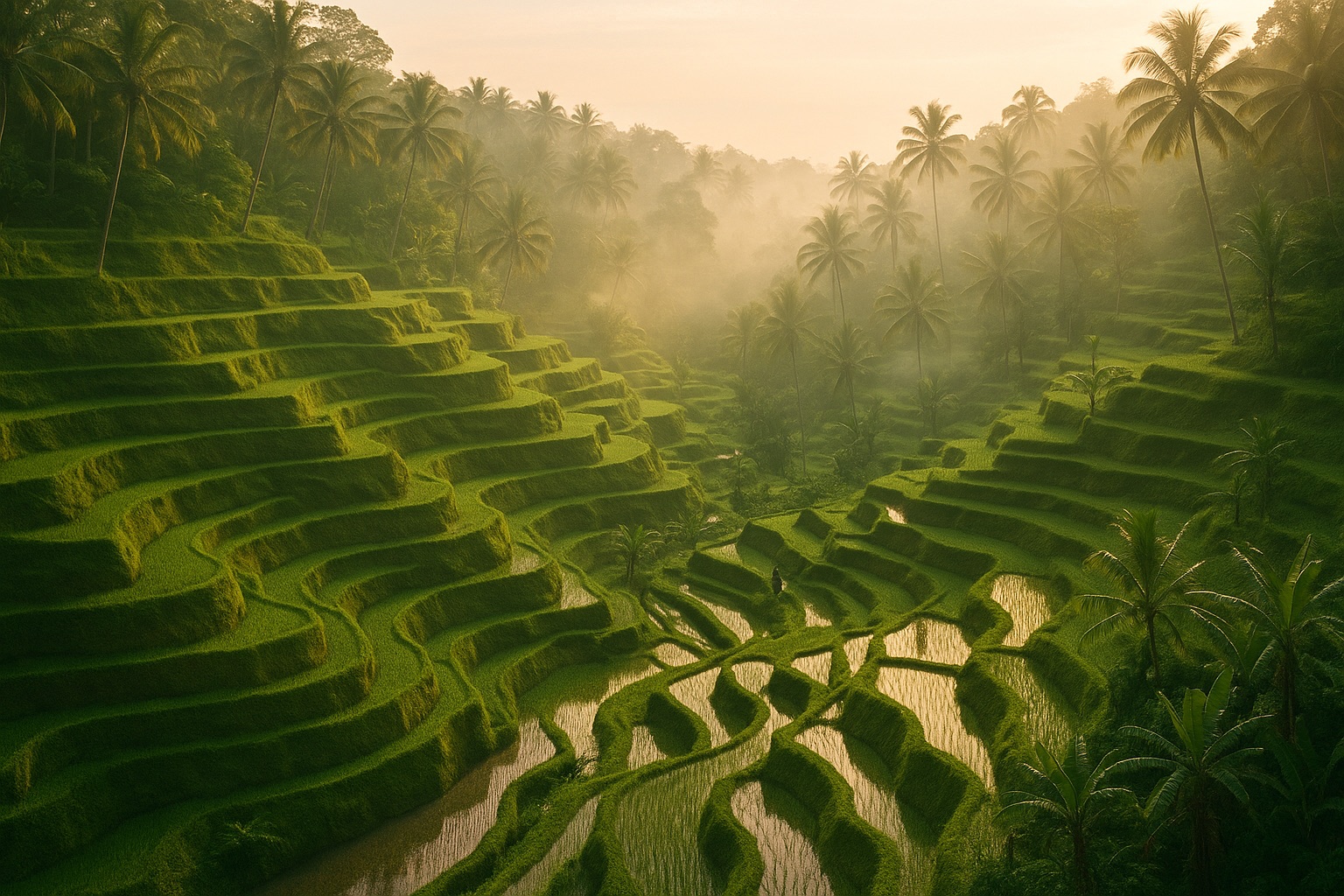
By mid-morning, follow the road north to Tegallalang Rice Terraces, Bali's most photographed landscape and part of a UNESCO-recognized subak irrigation system that has shaped these hillsides for a thousand years. The green is extraordinary — layered, luminous, almost unreal after rain.
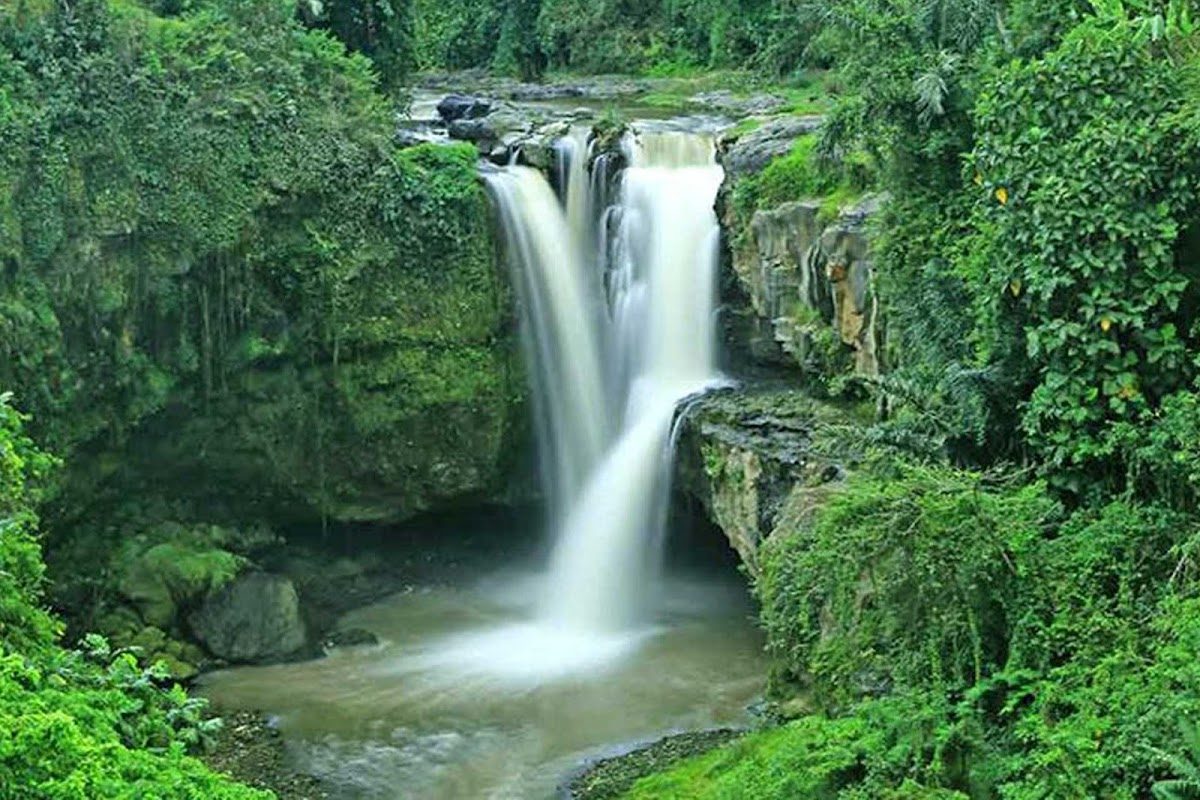
In the afternoon, hire a scooter toward Tegenungan Waterfall — 20 metres of white water crashing into a deep pool ringed by jungle — or venture further to the quieter Tibumana Waterfall where foot traffic stays light and the surrounding bamboo groves feel genuinely remote.
Back in town, the Ubud Art Market spills across the street from the royal palace: silk scarves, carved masks, silver jewelry from nearby Celuk, woodwork from Mas. Barter gently, leave with something made by hand.
Temples & culture
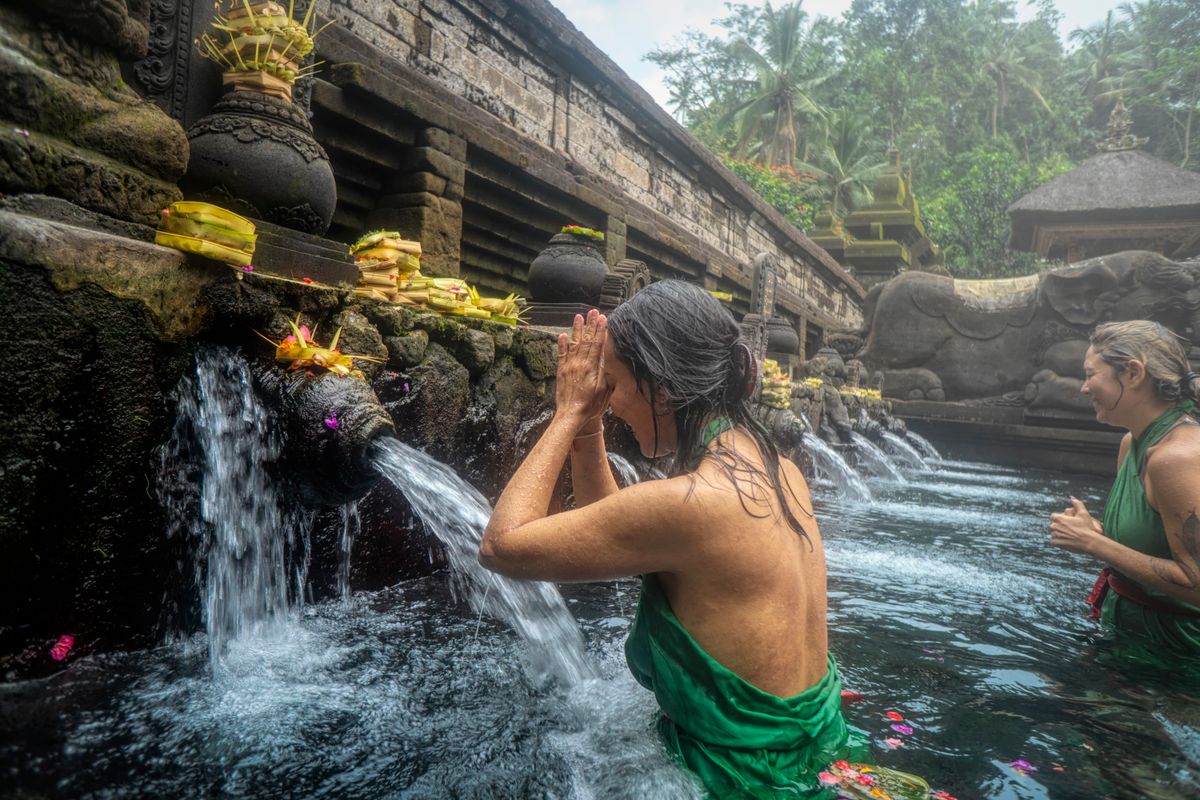
Tirta Empul is the most sacred water temple in Bali — a thousand-year-old complex fed by natural springs the god Indra is said to have created. Balinese Hindus come here to perform the melukat purification ritual, wading through stone fountains in white cloth at first light. To witness it, or take part with a local guide, is to understand something essential about this island.
A short drive away, Goa Gajah — the Elephant Cave — hides behind an 11th-century rock face carved with demon faces and foliage. Inside the narrow cave, stone shrines glow in the darkness. Outside, bathing pools and terraced gardens make it easy to linger.
North of Ubud, the temple complex of Gunung Kawi descends 300 steps into a river gorge, where ten royal shrines stand carved directly into the cliffsides — monuments to an 11th-century king, surrounded by working rice paddies that still use the same ancient irrigation channels.
Each evening at Ubud Palace (Puri Saren Agung), candlelit performances of Kecak and Legong dance fill the courtyard with firelight and shadow. The gamelan rings out sharp and syncopated. It's worth every seat.
Spa & wellness
The healing arts
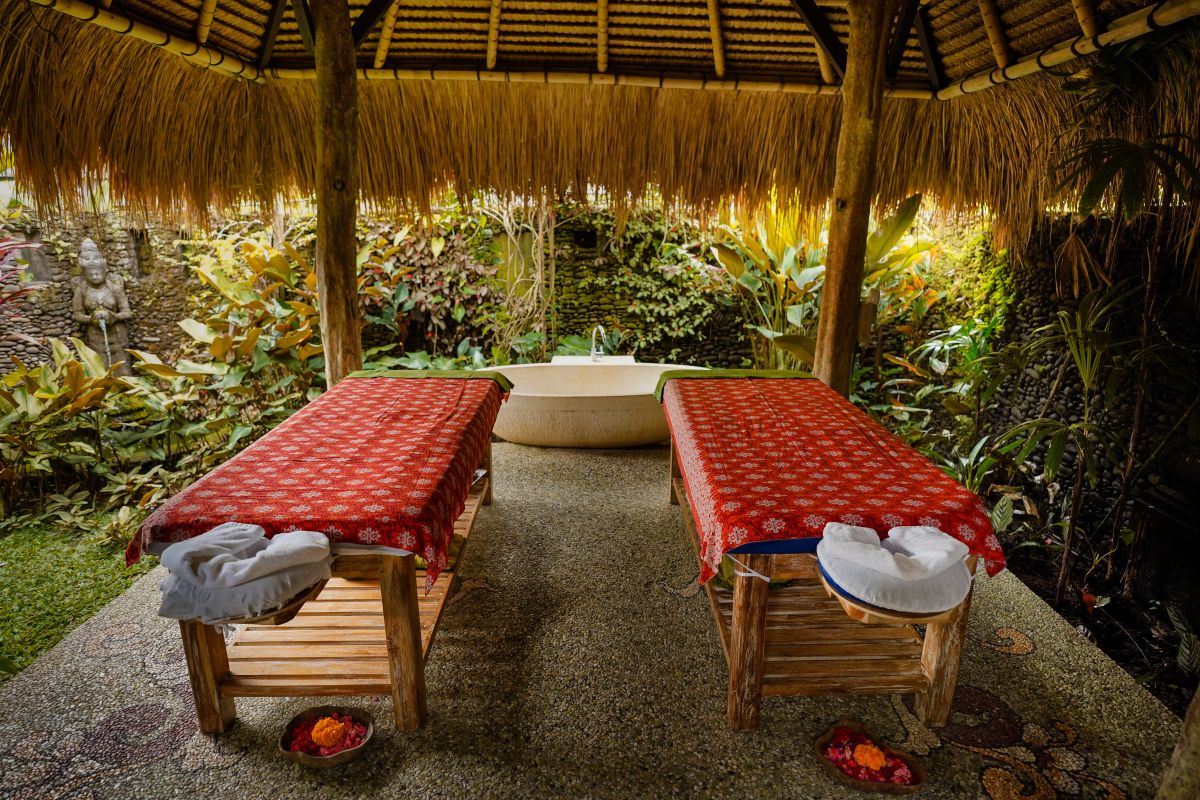
The Yoga Barn is the epicentre of Ubud's wellness world — a sprawling campus of open-air shalas where daily Vinyasa, Yin, and Kundalini classes run from sunrise to evening. Beyond asanas, the healing programme spans Tibetan sound baths, Bio-energy sessions, and Reiki. Their on-site spa, KUSH, uses 100% locally sourced, natural products; the herbal oil treatments smell of lemongrass and wild ginger.
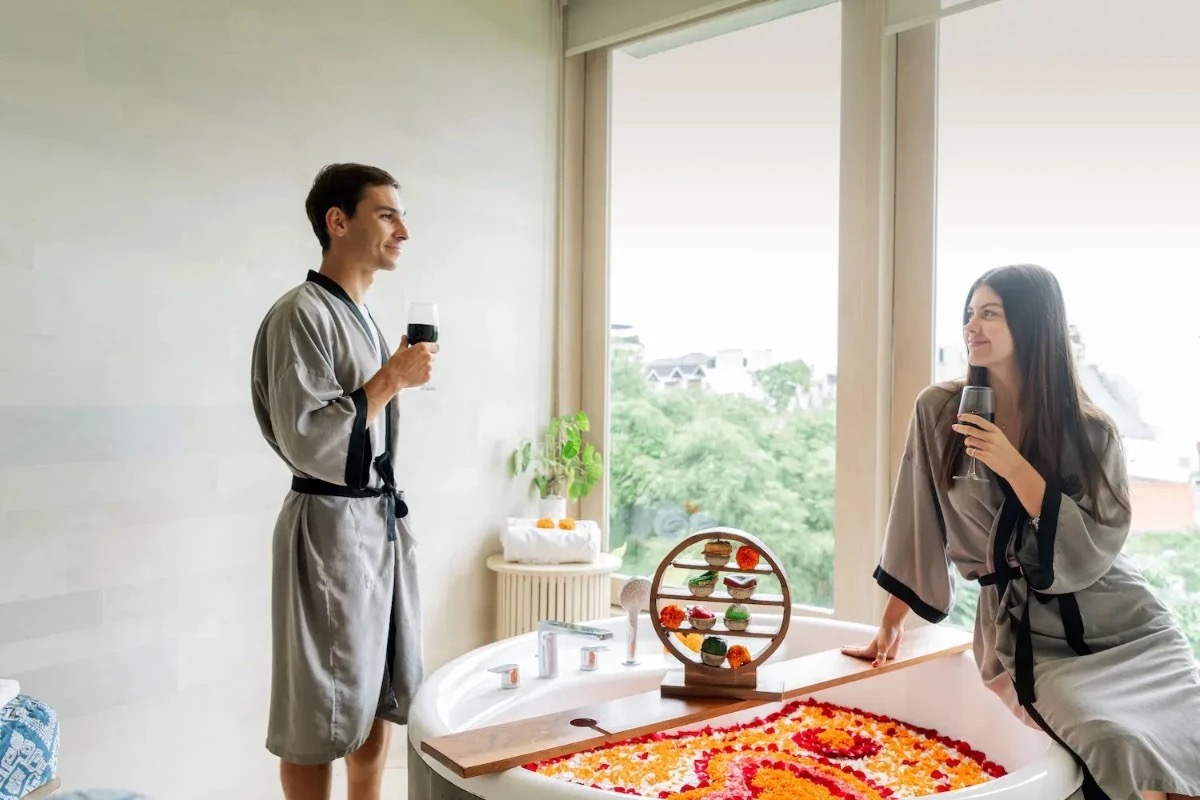
For something more secluded, Komaneka at Bisma offers jungle-edge spa villas where guests receive boreh spice scrubs and deep-tissue massages on open platforms overlooking the Campuhan River valley. The silence, broken only by wind through bamboo, is itself part of the treatment.
For the deepest immersion, Fivelements Retreat — terbaik among Ubud's healing sanctuaries — channels five Balinese elements into a multi-day programme with traditional healers, sacred fire ceremonies, and plant-based cuisine served riverside under cathedral-high bamboo ceilings.
For something more intimate, seek out a Balian — a traditional healer in the villages of Mas or Peliatan — who combines palm leaf manuscripts, herbal remedies, and intuitive energy work passed down through generations. It is, without question, unlike anything else you will do here.
Stories from Ubud
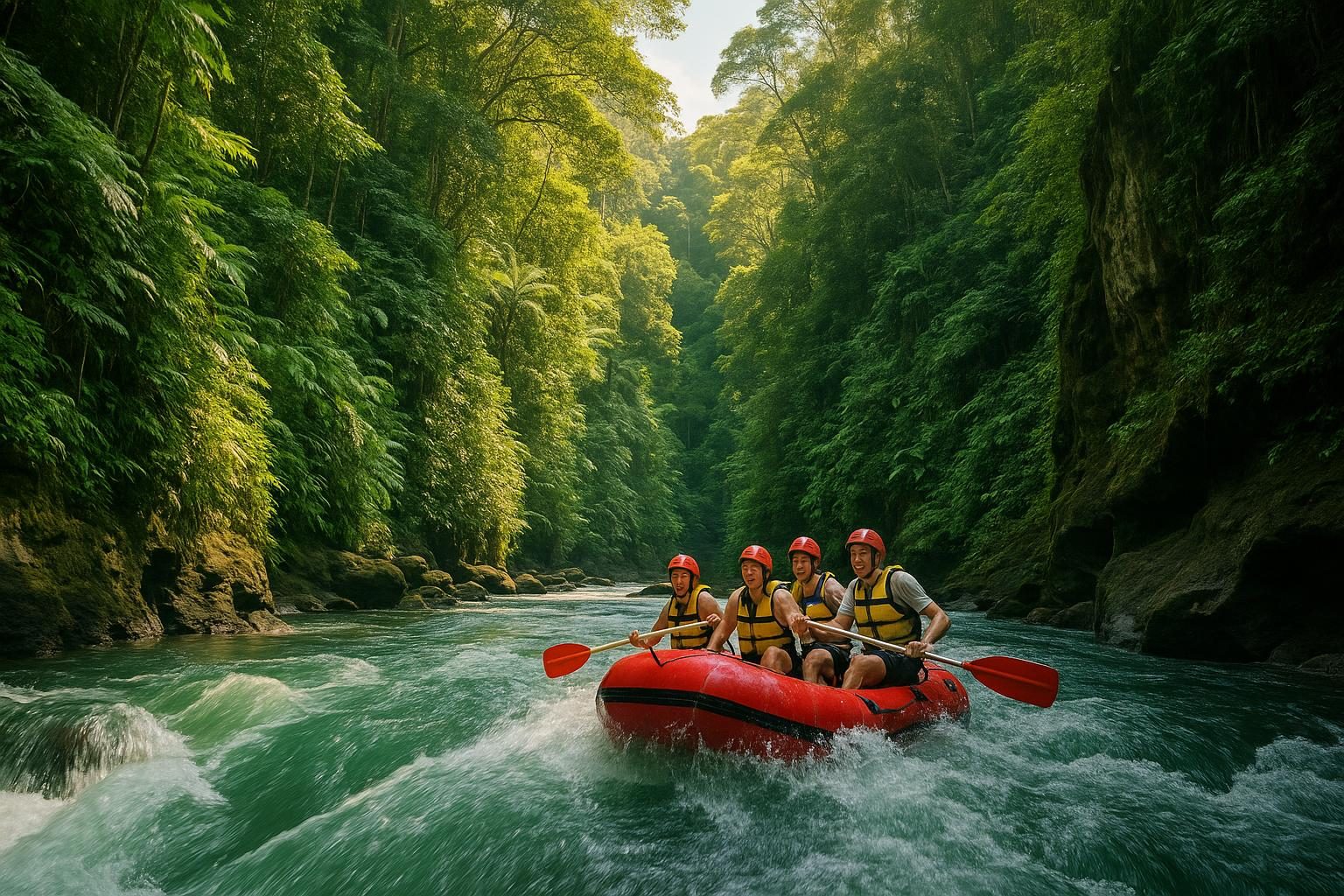
White-Water Rafting the Ayung River, Ubud
Grade II–III rapids, jungle waterfalls and a two-hour ride through Ubud's most famous gorge — here's what the Ayung River actually costs and takes.
Yoga, Healing & Wellness in Ubud: Studios, Balians, Spas & Sacred Stillness
Ubud is Bali's undisputed wellness capital — from sunrise yoga at The Yoga Barn to traditional Balinese healers, sound baths, and jungle retreats, restoration runs deep here.
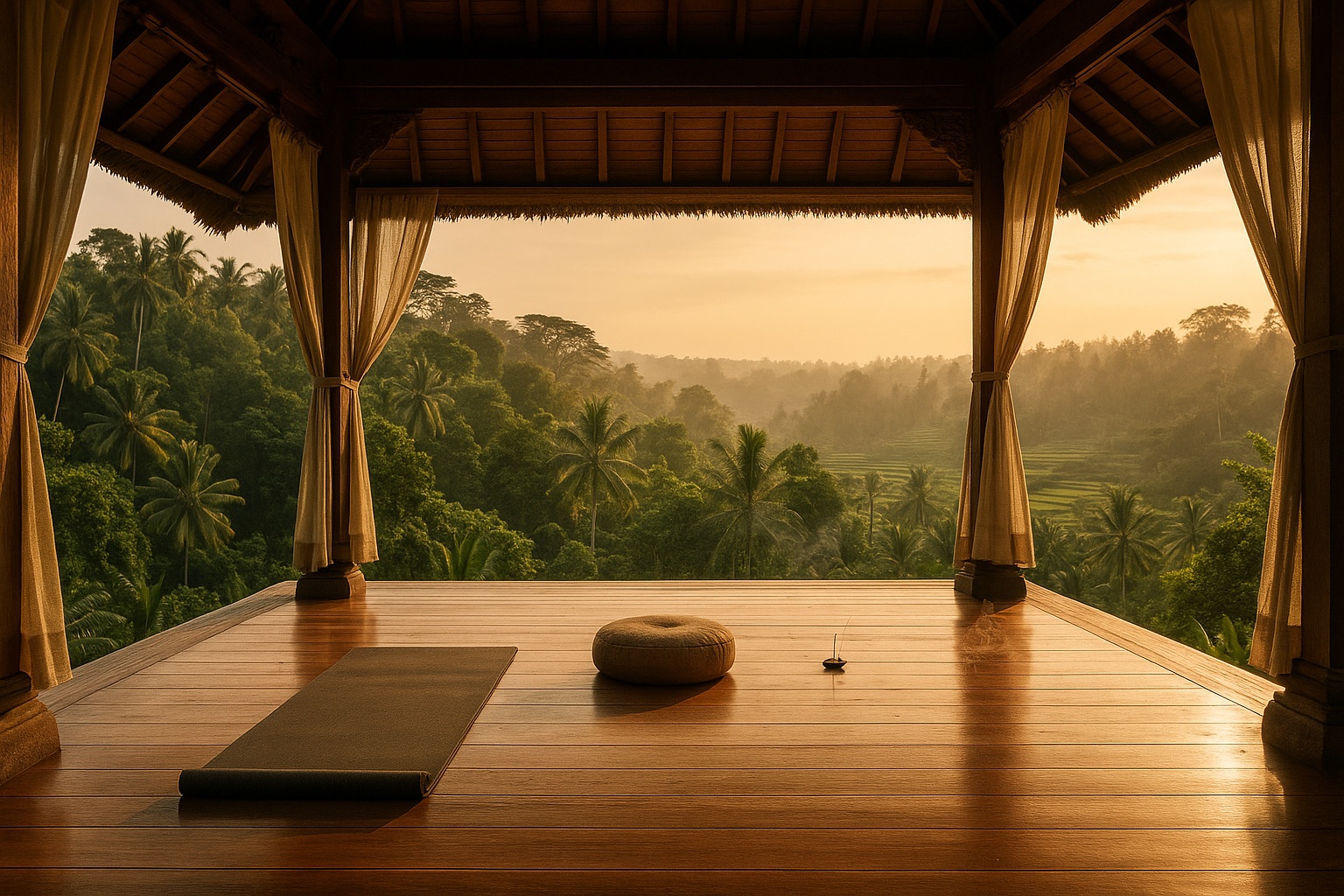
Tegalalang Rice Terraces: Sunrise, Subak & the Living Landscape of Ubud
Tegalalang's emerald rice terraces cascade down volcanic hillsides north of Ubud — a UNESCO-recognised landscape where ancient irrigation meets breathtaking natural beauty.