Amed
Black sand & diving
Amed is Bali's quiet eastern coast — black sand, offshore coral and the kind of stillness that clears the mind.
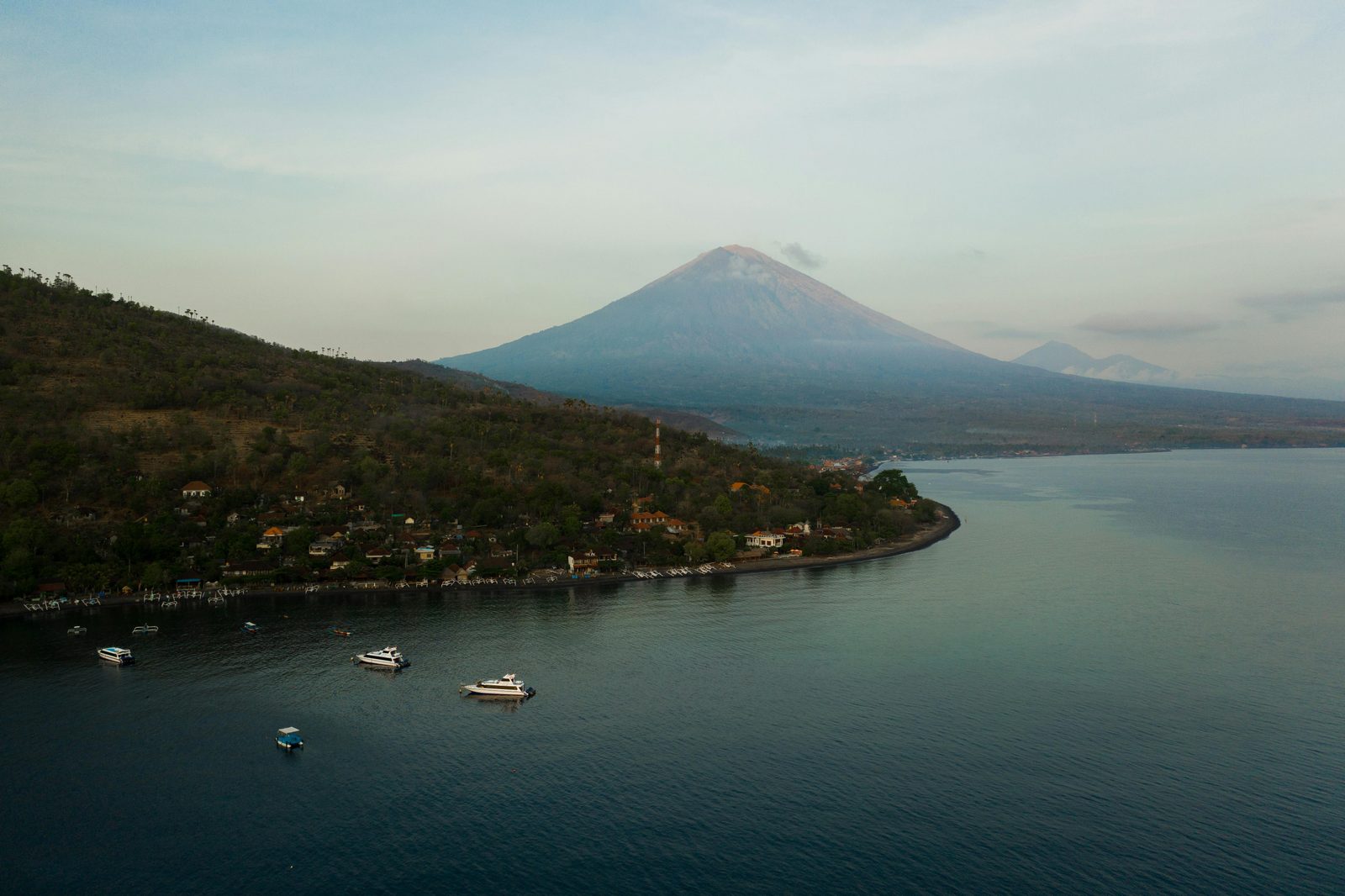
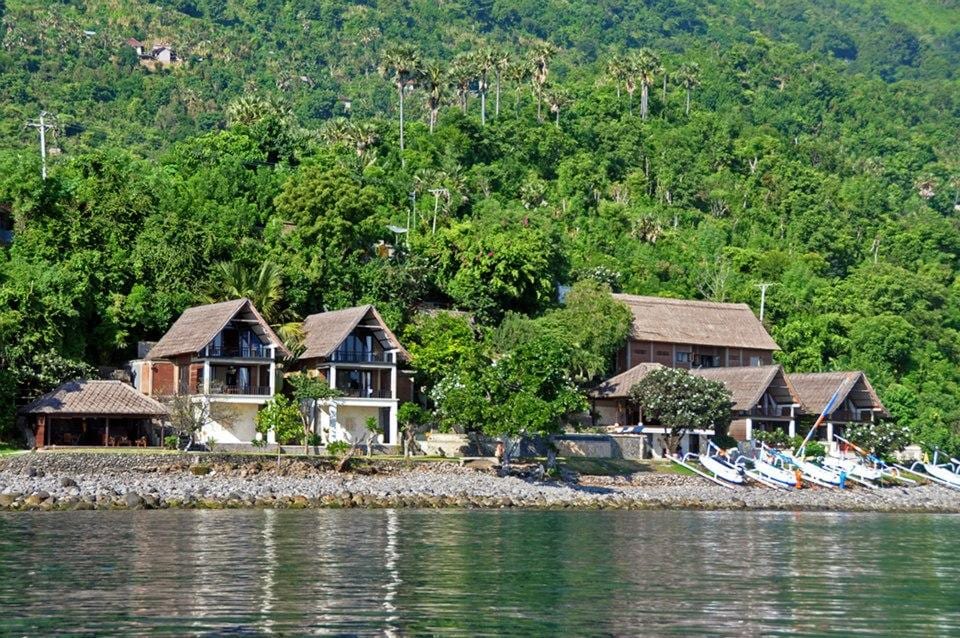
Amed is not one place — it is seven fishing villages strung along eight kilometres of black-sand coast on Bali's far north-east edge, each one quieter than the last. The air smells of salt and woodsmoke; outrigger boats called jukung rest at the waterline like brushstrokes.
Come here for the underwater world that begins almost the moment you wade in — coral gardens a fin-kick from shore, century-old wrecks draped in sea fans, and a sky that turns copper every morning behind the volcano's silhouette. This is Bali terbaik at its most unhurried.
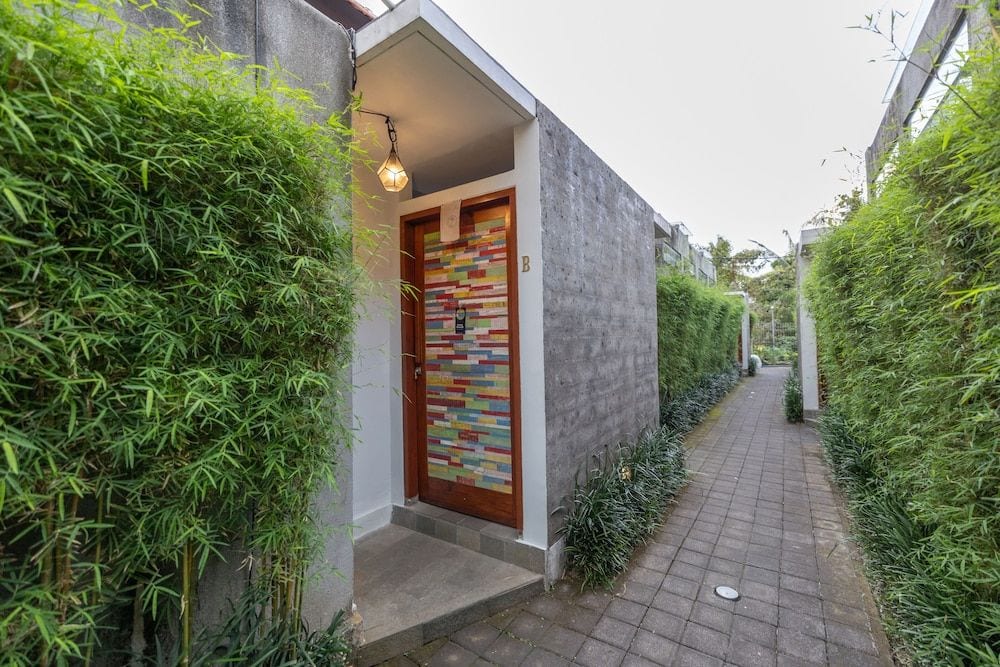
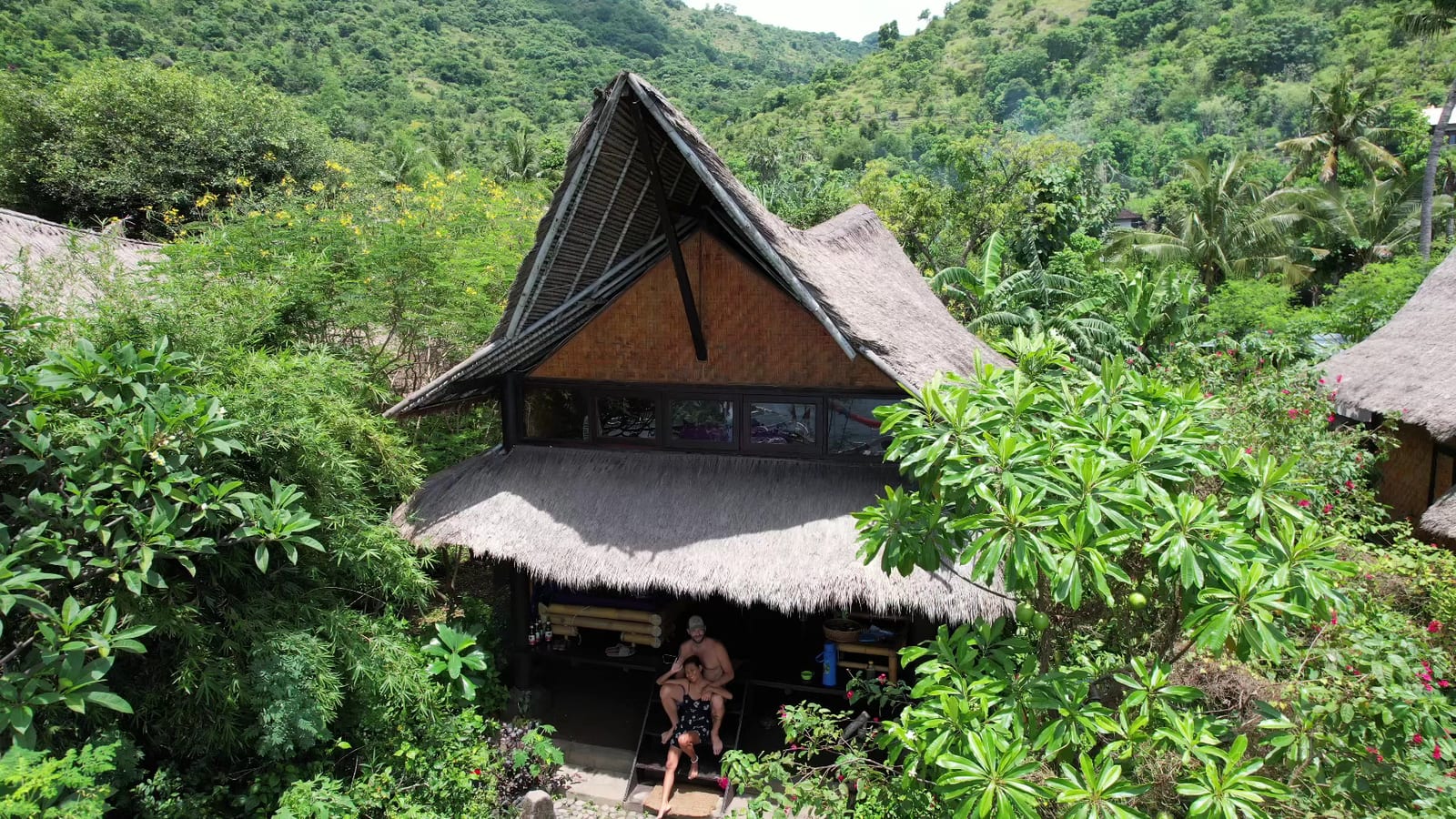
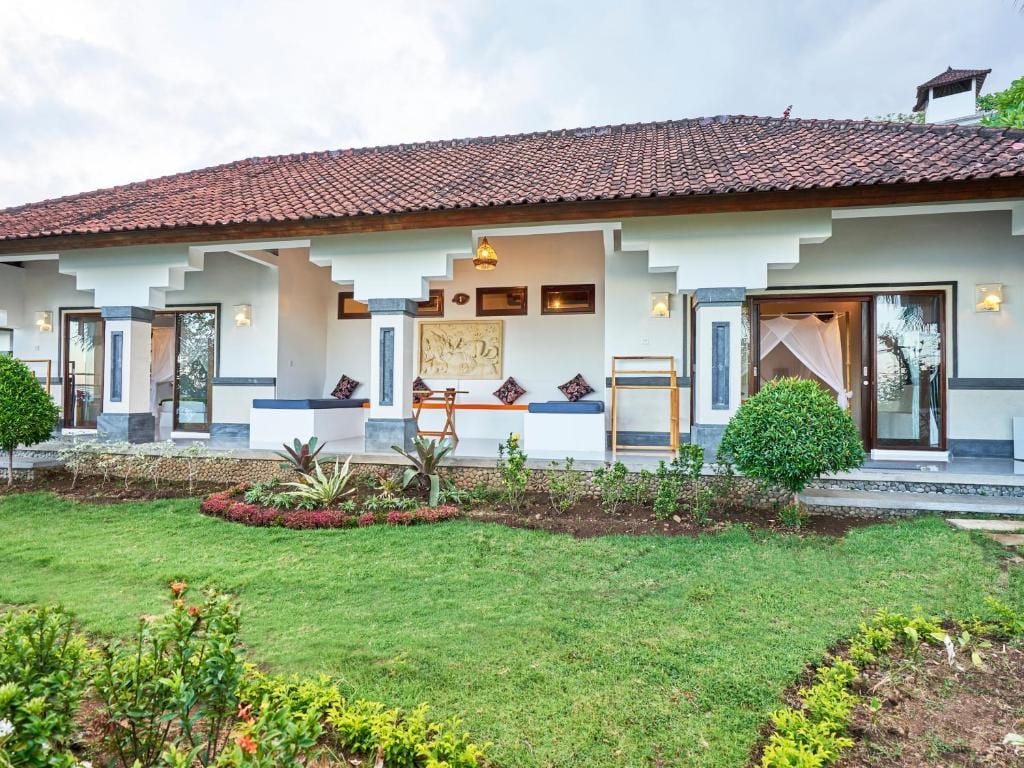
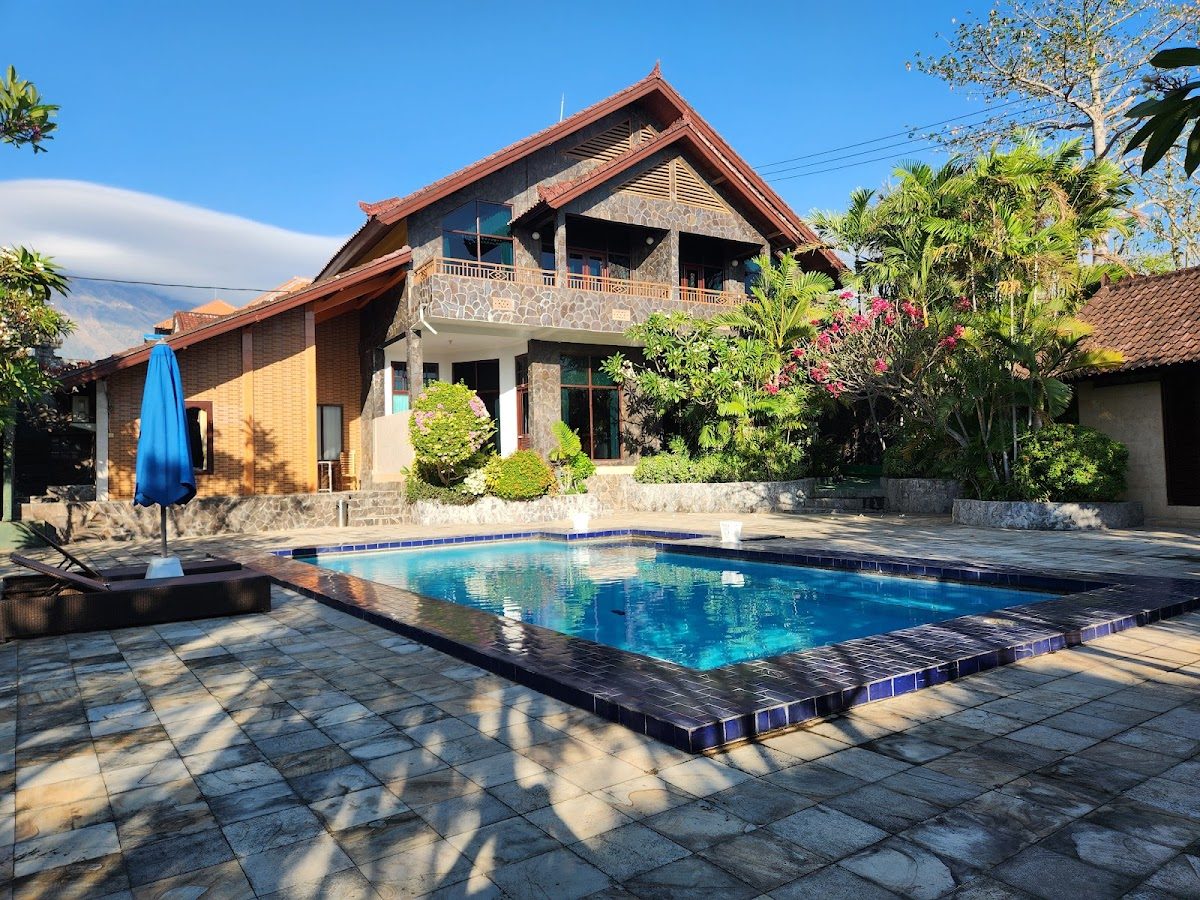
Where to stay
Beneath the surface
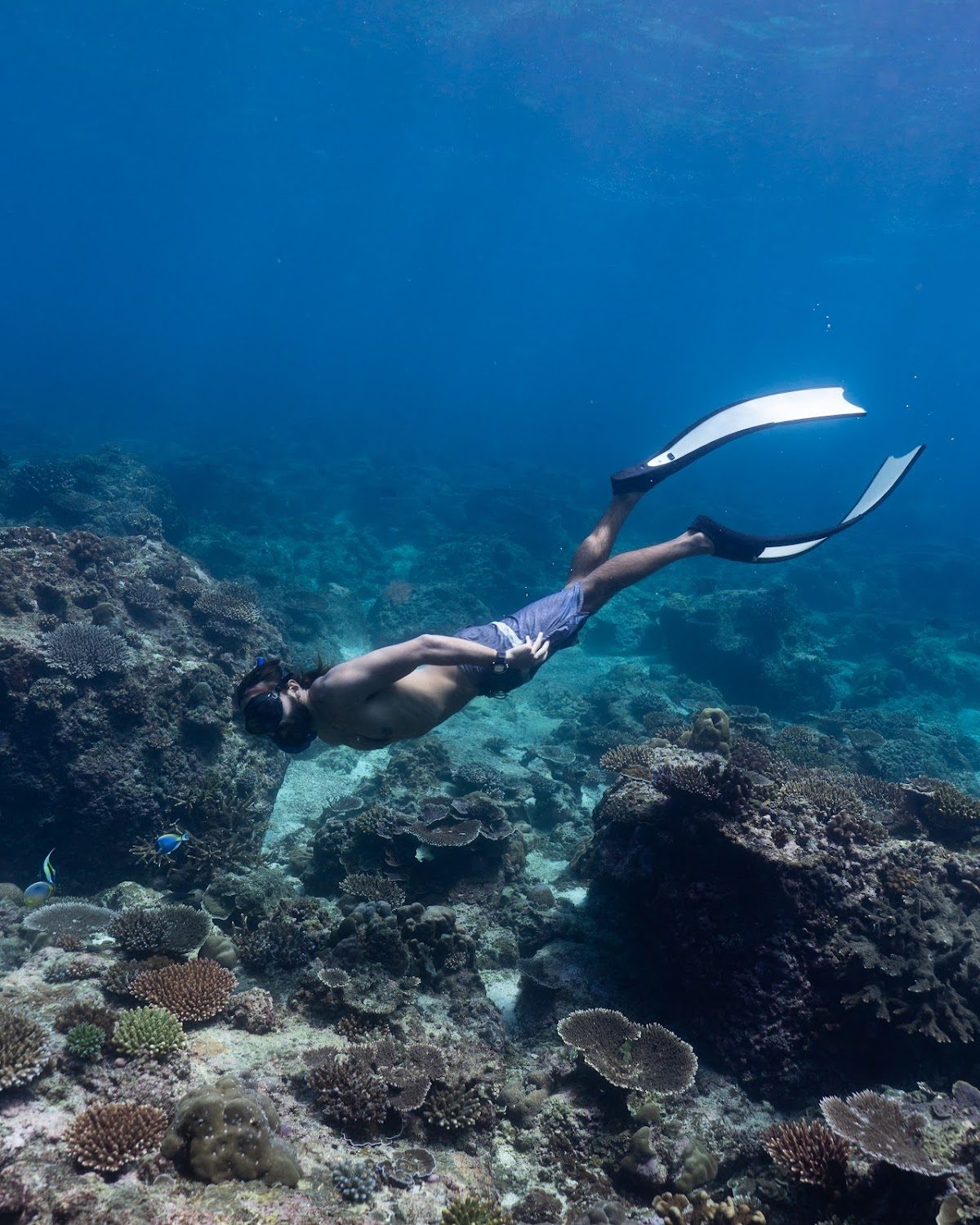
The water off Amed holds two of Indonesia's most rewarding wrecks, both reachable without a boat. At the village of Tulamben, the USAT Liberty Shipwreck — a 120-metre US Army transport torpedoed in 1942 and finally swallowed by a volcanic eruption in 1963 — rests just 30 metres from the black-sand shore. Its highest point sits at five metres depth, its hull split open at 29 metres, every surface encrusted with gorgonian fans and home to over 400 species: bumphead parrotfish at dawn, pygmy seahorses in the crevices, clouds of glass fish catching the slant of morning light.
Back in the bay of Banyuning, the smaller Japanese Shipwreck lies on its side in just 6–12 metres — shallow enough to snorkel, intimate enough to feel like a private discovery. Freedive the Jemeluk Bay coral garden as the current softens at low tide, and finish at Lipah Bay, where hard corals, red sea fans, and the occasional turtle reward those who simply float.
Diving & snorkelling
The fishermen's coast
Before the dive boats arrive, Amed belongs to the fishermen. At first light, families push their jukung outriggers across the black sand and into a sea turned amber by the rising sun. The boats — painted in the reds and yellows of temple offerings — head out in quiet formation, returning by mid-morning with baskets of tuna and snapper that will become the day's lunch in beachside warungs.
Between the villages, look for low wooden racks catching the glare: this is traditional Balinese salt farming, one of the last living examples on the island. Salt farmers — still working the same way their grandparents did — draw seawater onto clay soil, filter the brine through hollow bamboo tubes, and leave the harvest to crystallise in coconut-trunk troughs under the open sky. It is unhurried, skilled, and quietly beautiful — the kind of craft that reminds you how much can be done without electricity or urgency.
Salt, sand & sunrise
Amed's beaches are not white. They are the deep charcoal and iron-grey of ancient lava, and that darkness makes every other colour — the jade of the sea, the orange of a jukung hull, the pink of a horizon cloud — ignite against them. Jemeluk Beach curves gently around its bay, Lipah Beach is sheltered and calm enough for children, while the long dark strip at Bunutan is often empty save for a pair of temple dogs and the sound of waves.
Set your alarm once. From anywhere along this coast, the sunrise over the Lombok Strait arrives slowly, painting Mount Agung in gradients of rose and gold before the volcano's shadow retreats across the water. Sit with a cup of Balinese coffee, watch the jukungs catch the first light, and feel the particular stillness of a place that has not yet decided to perform for visitors. That is Amed's real gift.
Stories from Amed
Amed Bali: Where to Stay for Easy Reef Diving
Amed's calm east-coast shores pair reef diving straight off the beach with laid-back stays like Good Karma Bungalows. Here's how to plan your visit.
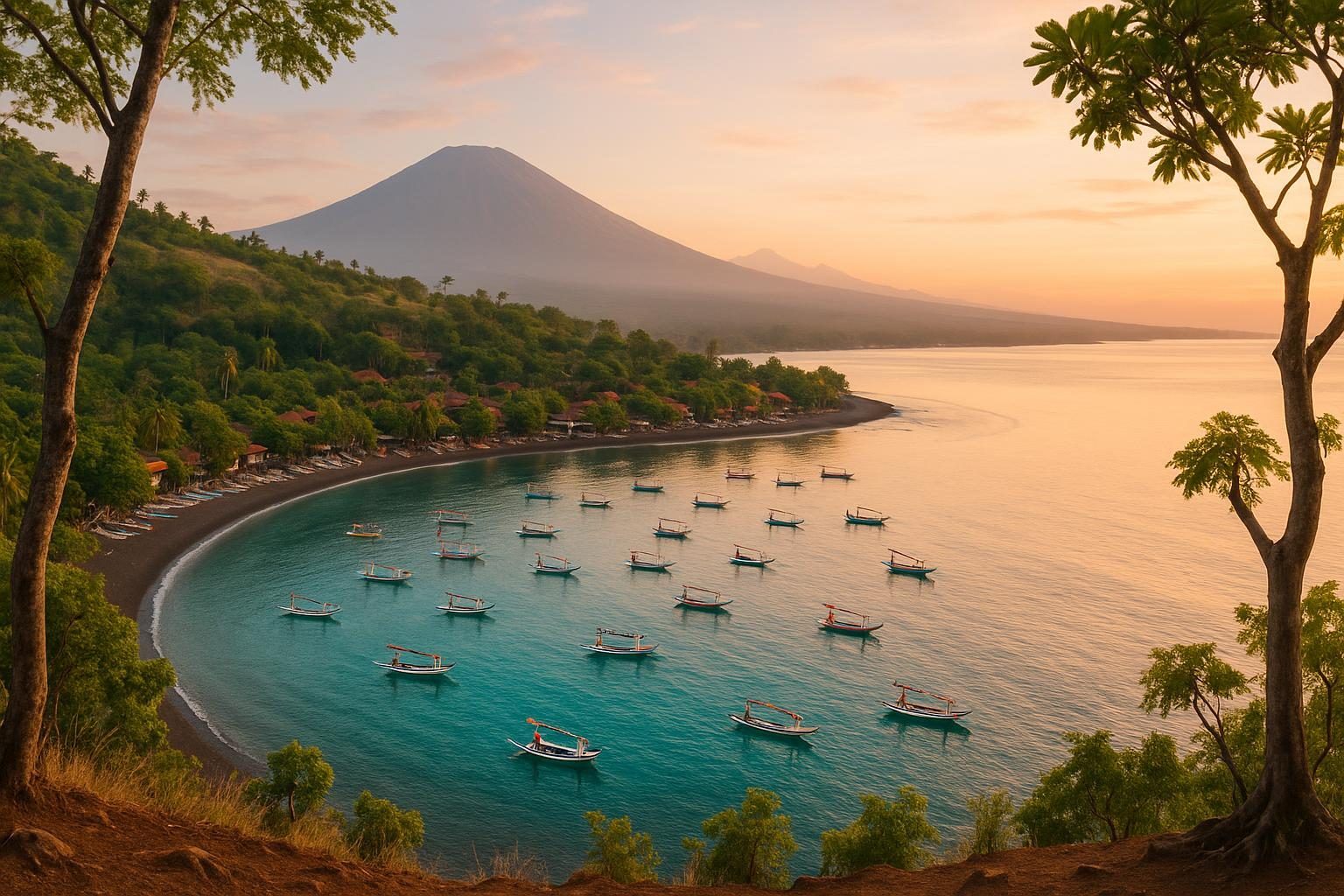
Jemeluk Bay Viewpoint: Amed's Iconic Sunrise Panorama
A free clifftop lookout over Amed's turquoise bay, jukung fishing boats and Mount Agung. When to go, how to get there and what else to see nearby.
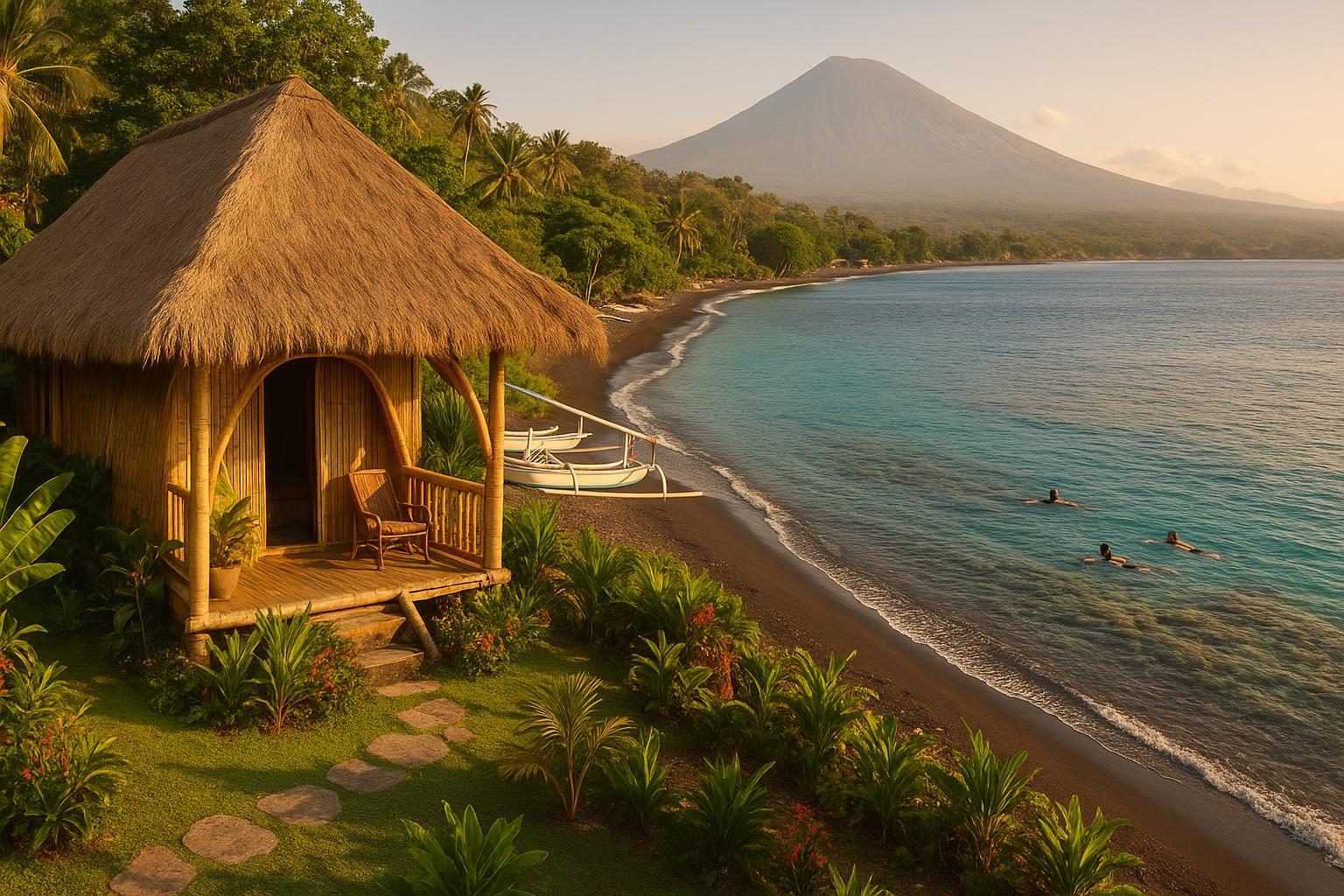
Good Karma Bungalows: Amed's Beloved Beachfront Retreat
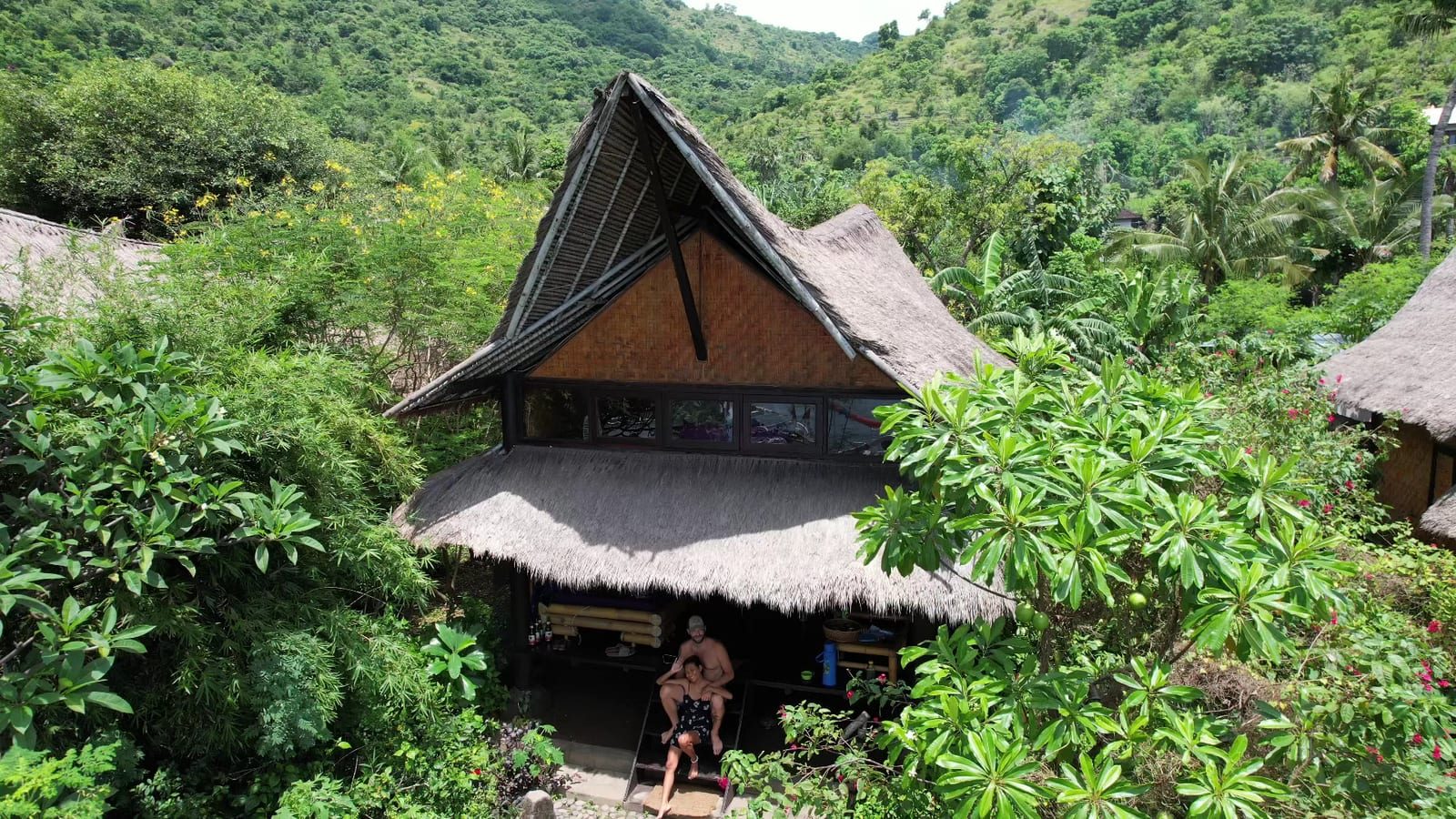
Bamboo bungalows steps from world-class snorkelling and a Japanese WWII shipwreck — Good Karma is Amed's most beloved beachfront retreat.