Freediving in Amed: Discover Bali's Best Underwater World
Amed on Bali's east coast is a world-class freediving destination — calm black-sand bays, vibrant coral reefs, and iconic shipwrecks accessible right from the shore.
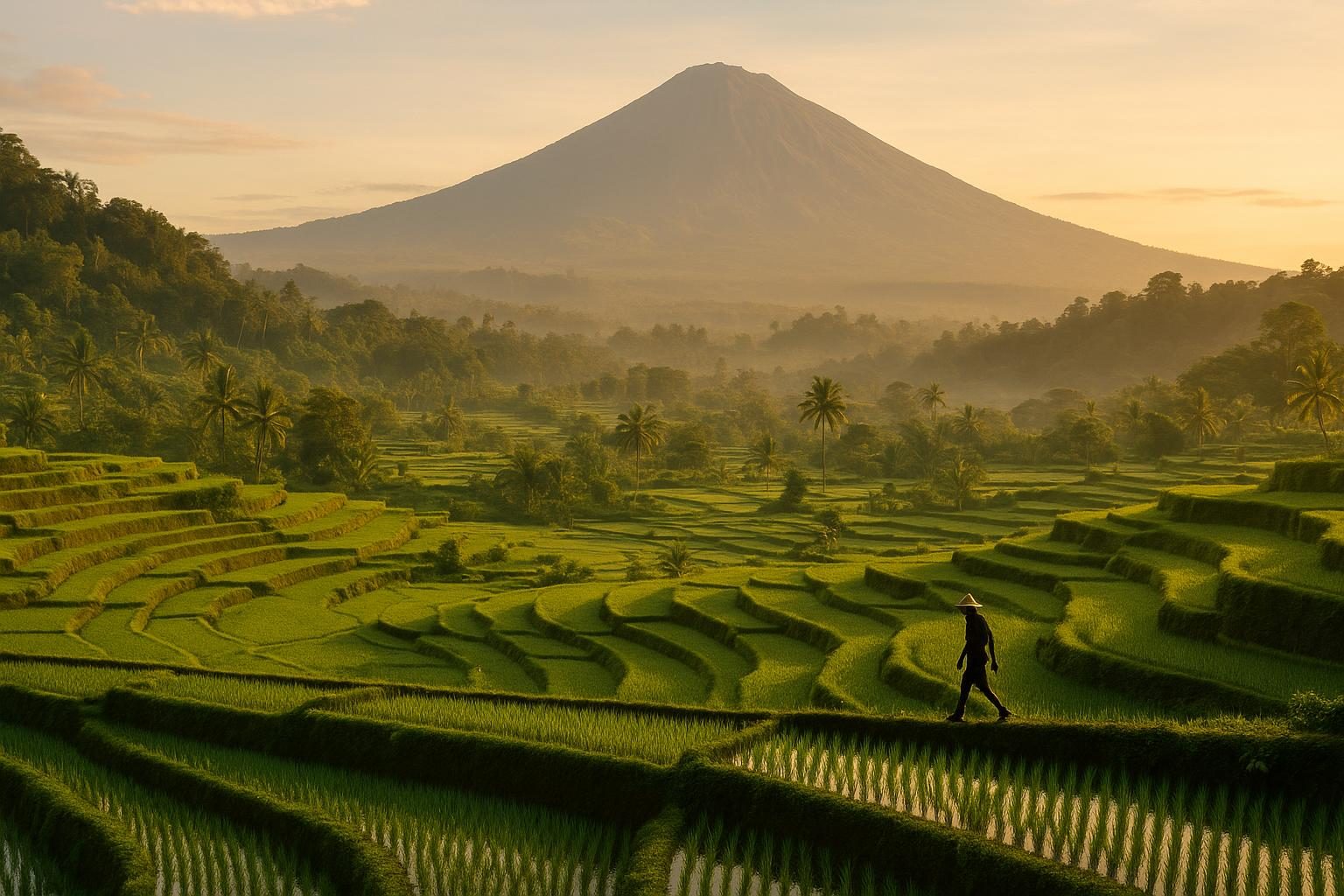
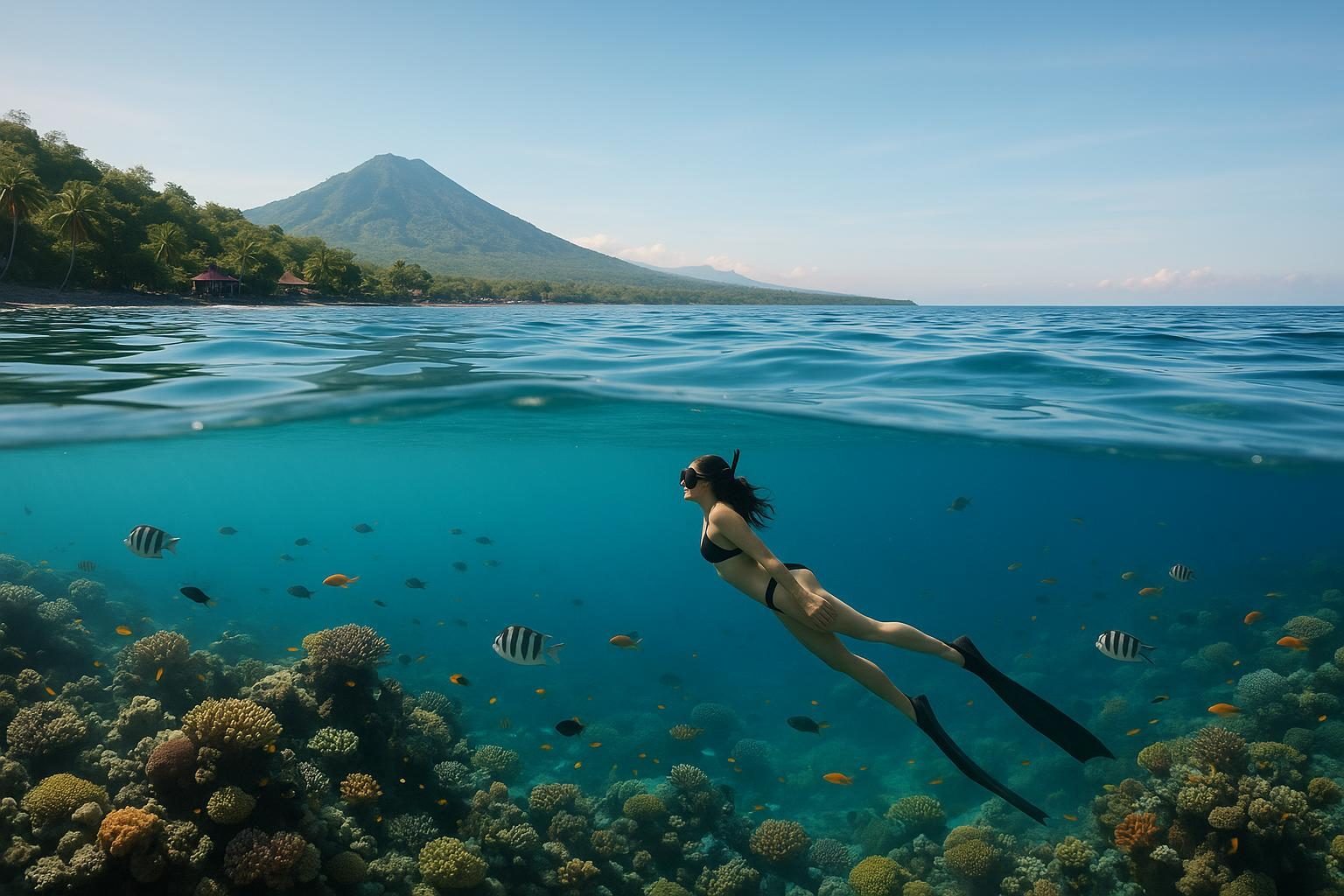
Nestled along Bali's remote east coast, sheltered by the sacred silhouette of Mount Agung, Amed is where the island's underwater world truly comes alive. Unlike the crowded beaches of the south, this quiet fishing village offers some of Asia's most accessible and rewarding freediving — calm, transparent waters, rich coral ecosystems, and two legendary shipwrecks, all reachable without a boat.
Whether you've never held your breath underwater or you're chasing your next AIDA certification, Amed is the place to start or deepen your freediving journey.
Why Amed Is Bali's Freediving Capital
Amed sits right on the Wallace Line, a biogeographic boundary that makes the waters extraordinarily rich in marine species. The bay's natural shelter keeps currents minimal and visibility consistently high — typically 15 to 25 metres — making it ideal for beginners and veterans alike. Shore entries are the norm here, meaning you can slip into the ocean directly from the beach at your own pace.
The stretch of coastline, roughly 14 kilometres long, strings together a series of small bays and villages — Jemeluk, Banyuning, Lipah — each with its own character underwater.
Top Freediving Spots in Amed
Jemeluk Bay is the heart of Amed's freediving scene. The bay's calm, protected waters are laced with healthy coral gardens and an enchanting underwater temple — a submerged shrine covered in marine growth that makes for unforgettable photography. Expect colourful clownfish, angelfish, and butterflyfish darting through staghorn coral at depths between 5 and 18 metres.
Just offshore, The Pyramids — an artificial reef structure built to promote coral regeneration — draws schools of barracuda and trevally. It's a short swim from the beach and one of the most photogenic dives in the area.
In the village of Banyuning, the Japanese Shipwreck rests at a surprisingly accessible depth of just 5 to 10 metres. You can reach it by swimming from the shore. Lionfish patrol the rusting hull, moray eels peer from crevices, and parrotfish glide past — it's a world-class wreck dive that requires no boat, no guide, and no deep dive training.
Further along the coast, Lipah Bay offers a gently sloping reef perfect for relaxed, extended sessions. Turtles are regularly spotted here, and on lucky days, you might glimpse a reef shark cruising the deeper edge.
For those ready to venture a little further, the USAT Liberty Wreck in nearby Tulamben is arguably the most famous dive site in all of Bali. This WWII-era US freighter lies between 5 and 30 metres, its hull blanketed in hard and soft corals and home to over 400 species of reef fish. Bumphead parrotfish, giant barracuda, and ribbon eels are regular sightings.
Learning to Freedive in Amed
Amed has a thriving community of professional freediving schools. The Amed Freedive Collective is one of the most respected spots in the village, offering beginner courses through to instructor-level training with Molchanovs and AIDA International certifications. Their small class sizes and patient instructors make it an ideal entry point whether you've never submerged before or you're pushing for your first 20-metre dive.
For wreck-focused diving and PADI scuba alongside freediving, Tulamben Wreck Divers runs excellent day trips from Amed to Tulamben, pairing the USAT Liberty with the nearby Drop Off and Coral Garden sites.
Practical Tips
- Go early. Visibility is best in the morning before any wind picks up. Aim to be in the water by 7-8 am.
- Respect the reefs. Never touch coral, and avoid sunscreen that isn't reef-safe — the reefs in Amed are recovering and fragile.
- Rent equipment locally. Mask, fins, and wetsuit hire is readily available from beachfront shops for around $5-10 per day (indicative).
- Take a course before free-exploring. Even a half-day introductory session dramatically improves safety and technique, and unlocks depths you simply can't reach by holding your breath and kicking hard.
- Stay shallow if you're solo. The drop-offs in Jemeluk can be steep. Never freedive alone.
Best Time to Visit Amed
The dry season (April to October) is ideal, with May, June, and September offering the sweetest combination of clear skies, calm seas, and lower crowds than July-August. Amed maintains decent visibility year-round — even in the rainy season, conditions often remain good unless weather is severe.
Getting to Amed
Amed is about 2 to 2.5 hours by car from Seminyak or Ubud. The roads are winding but scenic, with the drive itself offering views of terraced rice fields and volcanic slopes. Many visitors hire a private driver for the day; ride-hailing apps like Gojek work for the first part of the route.