Trekking Sidemen's Rice Terraces: Bali's Best Kept Secret
Discover Sidemen's emerald rice terraces on foot — a guided dawn walk past working paddies, Mount Agung views, and rural Bali at its most peaceful.
Forget the crowds of Tegallalang. In Sidemen, Bali's quietest valley, the rice terraces belong to the farmers — and to the handful of travellers willing to rise early and walk among them.
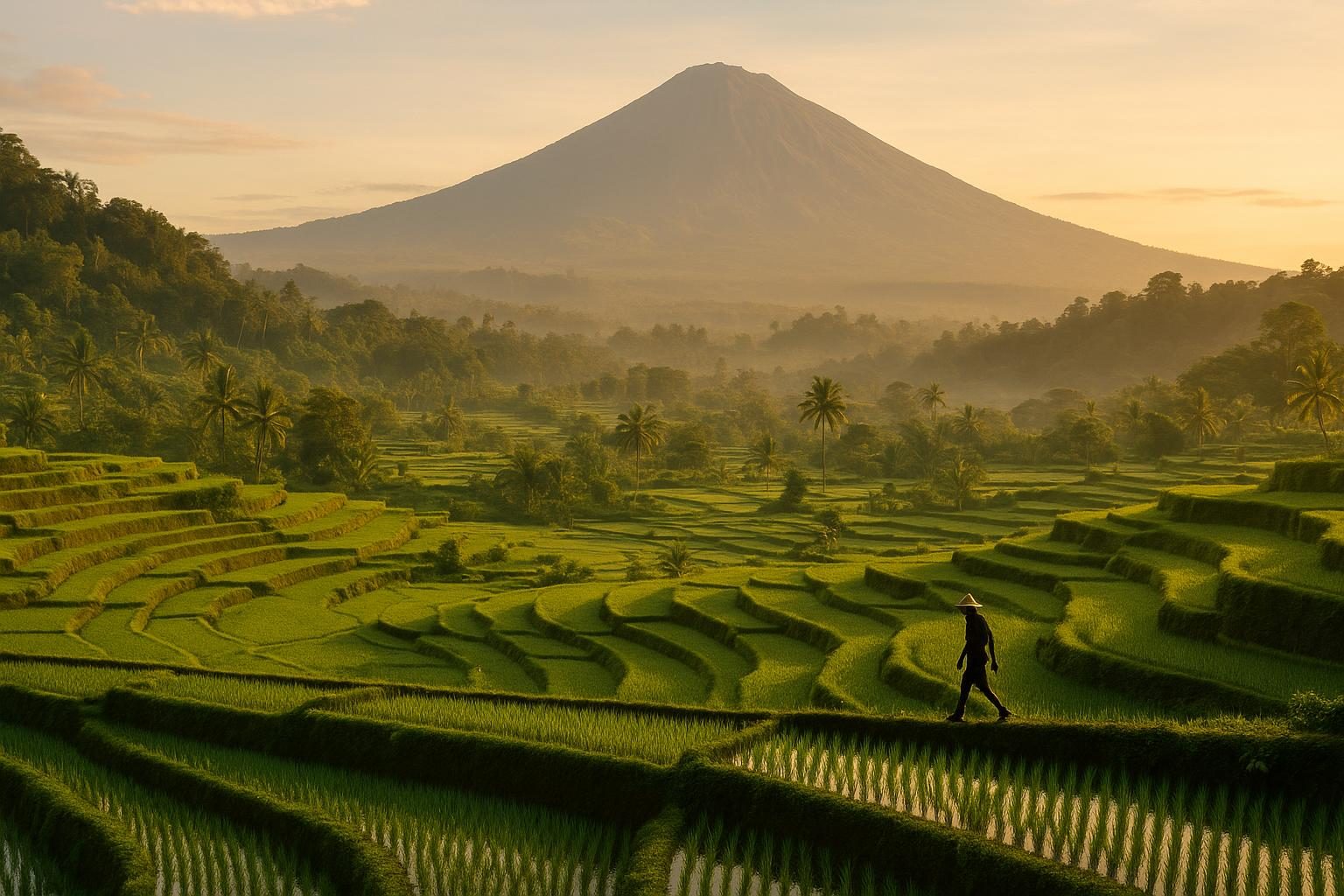
A morning trek through Sidemen's paddies is one of those experiences that recalibrates your sense of what Bali can be. There are no Instagram queues, no entrance selfie booths. Just the sound of irrigation water, birdsong, and the distant silhouette of Mount Agung rising into the clouds.
Why Sidemen?
Sidemen sits in East Bali, roughly 90 minutes from Ubud, tucked between steep green hills and the Unda River valley. It has none of the infrastructure of the tourist triangle — and that's entirely the point. The rice terraces here are still actively farmed, which means you'll encounter local farmers, water buffalo ploughing fields, and the quiet rhythms of Balinese agricultural life that have barely changed in centuries.
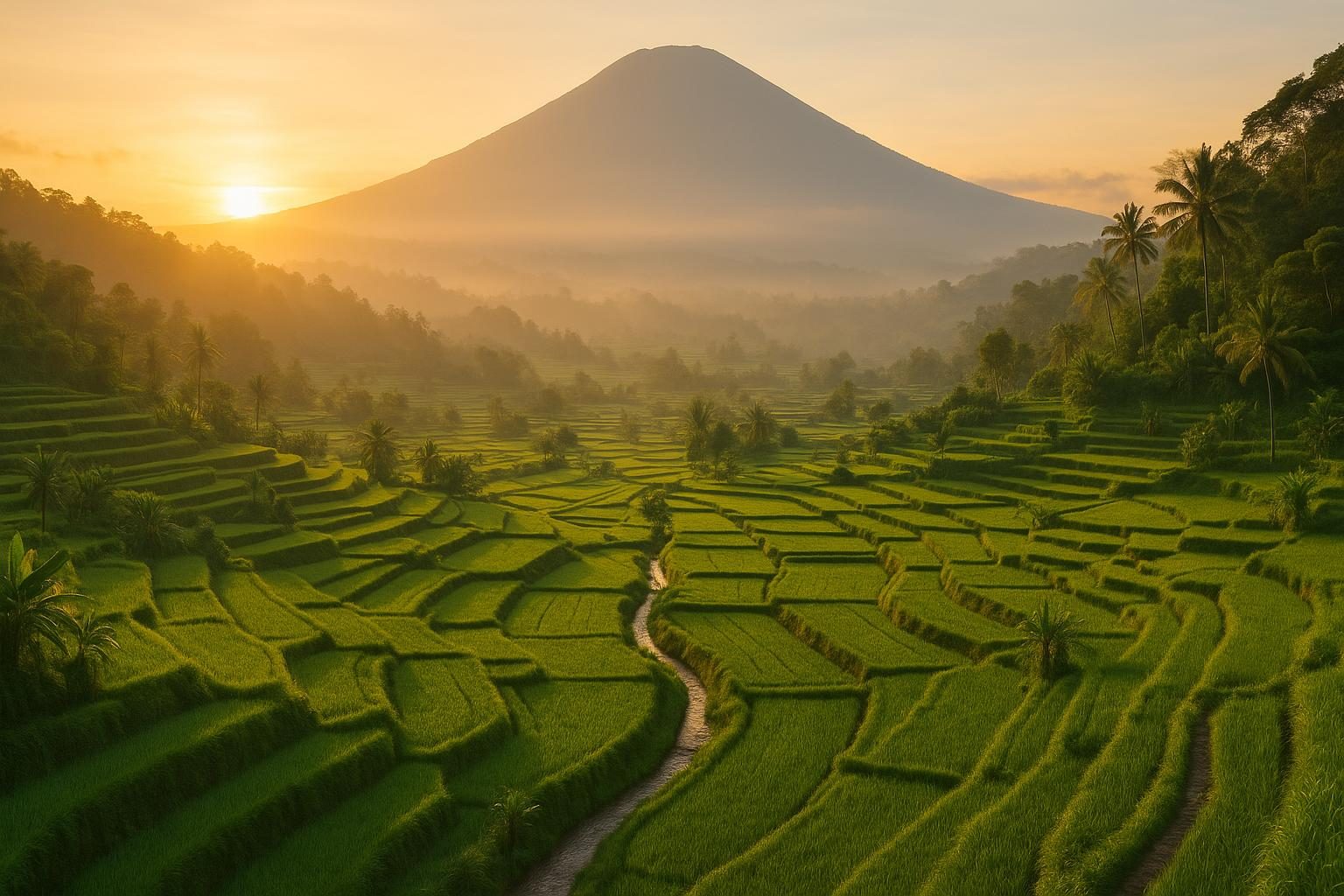
The backdrop is extraordinary: Mount Agung, Bali's sacred volcano, towers over the valley. On a clear morning, you'll get unobstructed views that no Ubud rice terrace can match.
The Trek: What to Expect
The most popular route begins near Pasar Sidemen (the village market junction) and winds through several kilometres of working terraces, following traditional irrigation channels — called subak, a UNESCO-recognised system of water management — between paddies.
Self-guided route: A marked 3 km circuit takes just over an hour. There's an entry fee of around 25,000 IDR (indicative, ~$1.50) collected at a small booth at the trailhead, which goes directly to the local farming community.
Guided trek: For a richer experience, book a local guide for a 2–3 hour circuit that takes you off the mapped trails and through sections of the valley most visitors never see. Guides can explain the subak system, the rice growing cycle, and introduce you to farmers along the way. Expect to pay 150,000–300,000 IDR (indicative) depending on duration and group size; book through your accommodation or ask at the village.
Extended treks: Some operators offer full-day treks combining the rice terraces with river crossings, jungle paths, and village stops — lasting up to 7 hours. These require reasonable fitness but no technical experience.
Practical Info
When to go: The dry season (April–October) gives you blue skies and full views of Agung. If you visit during the green season (November–March), the paddies are lush and atmospheric, but expect afternoon showers — bring a light rain jacket.
Time of day: Start as early as 7:00 AM. The light is beautiful, the air is cool, and you'll finish well before the midday heat. Most guided tours run from 7 to 9:30 AM.
What to wear: Trainers or light hiking boots — not sandals. The irrigation channel crossings and muddy sections after rain make decent footwear essential. Wear light, breathable clothing; long trousers or a sarong are appreciated if you're passing near village temples.
Getting there: Sidemen is about 1.5 hours from Ubud by private car or scooter. There's no direct public transport; most travellers hire a driver or rent a scooter for the journey. Ask your guesthouse in Ubud to arrange a driver.
After the Trek: What to Do Next
The valley's pace invites you to slow down for the rest of the day. A few ideas:
Yoga and healing: Tirta Yoga & Healing offers sessions in the heart of the valley — a perfect complement to a morning of active walking. Their classes blend Balinese healing traditions with modern yoga practice.
Stargazing: Sidemen's lack of light pollution makes it one of Bali's best spots for night skies. The Mount Agung Stargazing experience takes advantage of the valley's exceptional visibility — a genuinely memorable way to end a day in the hills.
Lunch with a view: Several warungs along the terrace trails serve cold drinks and local dishes. Warung Ume Anyar, near the end of the self-guided circuit, has a terrace with sweeping paddy views — a fine spot to rest before your driver arrives.
Tips for a Good Trek
- Hire a guide for your first time. The best sections are off the official circuit, and a local guide keeps you on paths that don't damage the fields.
- Bring cash. Entry fees, guides, and warungs are all cash-only.
- Ask permission before photographing farmers. A smile and a gesture goes a long way; many are happy to pose, and a small tip is always appreciated.
- Skip it during harvest. Trekking through a freshly-harvested field means walking over stubble and mud, not green terraces. Ask locally about the harvest calendar if timing matters.
- Respect the subak system. Don't cross the irrigation barriers or dam the water channels — these are working infrastructure, not photographic props.
Getting There
From Ubud, take the road through Klungkung and turn north at the Sidemen junction. The drive is scenic and straightforward with Google Maps. From Canggu or Seminyak, budget around 2.5 hours each way. Most visitors combine Sidemen with a stay of at least one night to make the journey worthwhile — the valley is best experienced at dawn, not as a rushed day trip.
Sidemen won't be quiet forever. Travellers are discovering it, but for now the rice terraces remain what they've always been: a working landscape, rather than a backdrop. Walk through them early, walk respectfully, and you'll leave with something that most Bali trips don't offer — a genuine encounter with the island.