Nusa Penida Guide: Kelingking Cliff & Island Treasures
Discover Nusa Penida's dramatic cliffs, hidden beaches, and turquoise waters. From the iconic T-Rex cliff to pristine snorkeling spots—your complete guide to Bali's wildest island.
Nusa Penida: Bali's Wilder Sibling
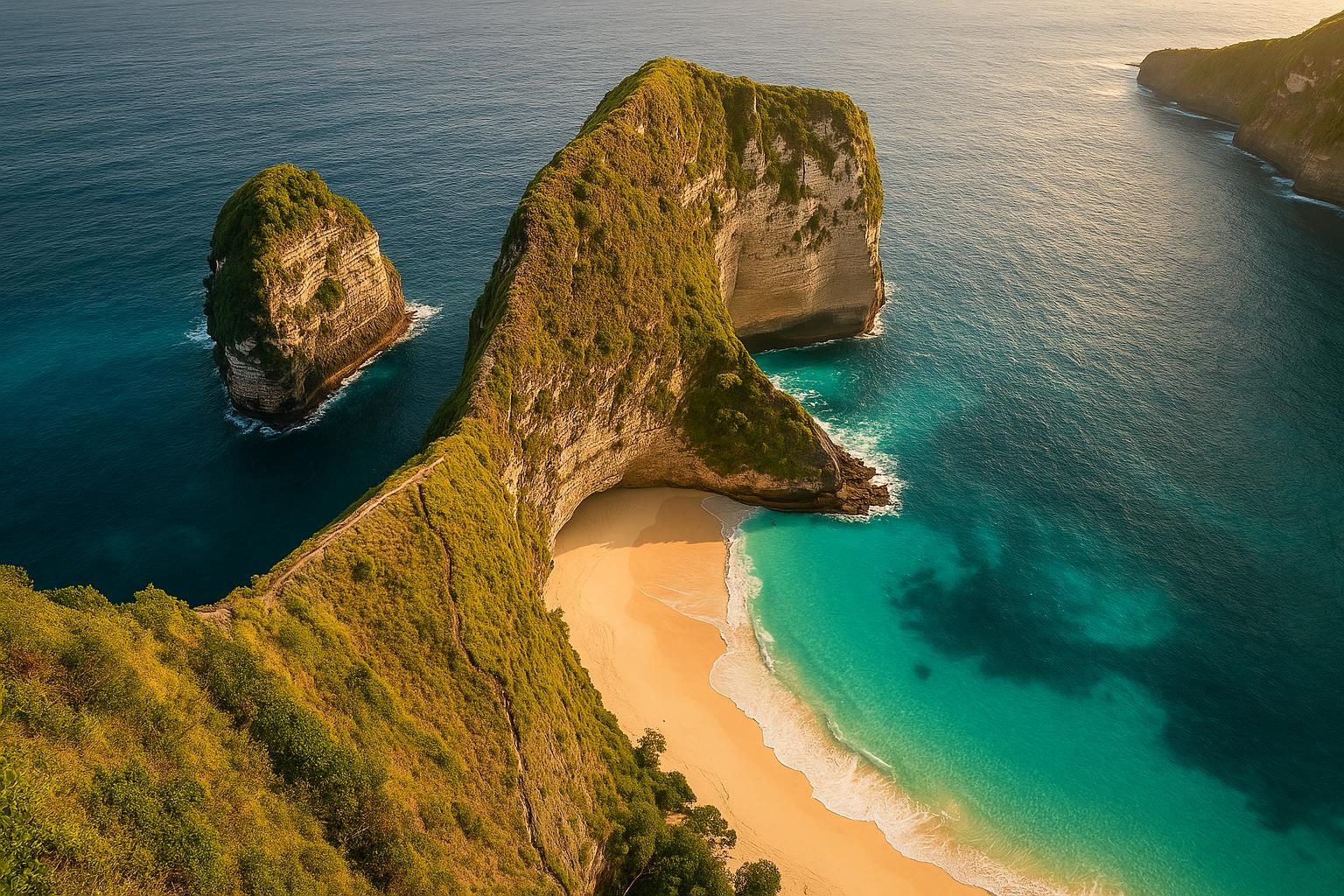
If you've scrolled through Bali Instagram feeds, you've likely seen that iconic T-Rex shaped cliff towering over a secluded beach. That's Kelingking Beach—and it's just the beginning of what makes Nusa Penida unforgettable. Just 40 minutes by speedboat from the mainland, this rugged island serves up some of Bali's most jaw-dropping natural scenery: dramatic sea cliffs, hidden lagoons, and waters so turquoise they look photoshopped. Unlike the crowded rice terraces of Ubud, Nusa Penida rewards adventurers willing to bump along its narrow, pothole-riddled roads.
The West Tour: Cliffs, Arches & Natural Pools
Most visitors hit Nusa Penida as a day trip, but the true magic unfolds when you slow down. The west coast hosts the island's crown jewels.
Kelingking Beach is the showstopper. The 300-meter cliff really does resemble a T-Rex skull surveying its domain—best appreciated from the clifftop viewpoint, where the photo ops are endless. If you're feeling fit and fearless, a 30–45 minute scramble down the steep, unpaved path reaches the white-sand beach below. Fair warning: the descent is genuinely steep, and the currents are vicious. Swimming is not recommended. Most visitors come for sunrise or late afternoon light, when the cliff's golden hue is most photogenic. Kelingking Cliff viewpoint is easily reached by scooter or via a guided tour.
Broken Beach (Pasih Uug) lies just south. This natural rock archway forms a perfect circle, framing a jade-colored lagoon that looks almost impossibly pristine. There's no water access—it's a view-from-above situation—but the geometry is so striking that five minutes here feels stolen from another planet. The path from the car park is gentle and takes just two minutes on foot.
Angel's Billabong is the third act of the west coast trilogy. This natural infinity pool sits right at the cliff edge and fills with fresh seawater at low tide, creating a surreal swimming hole suspended above the ocean. Here's the catch: it's only safe at low tide. At high tide, waves surge over the edge and the current becomes dangerous. Check tide times before you go, and if you do swim, do so cautiously and briefly. The stakes are real here.
Crystal Bay & Diamond Beach: Swimmers & Snorkelers Welcome
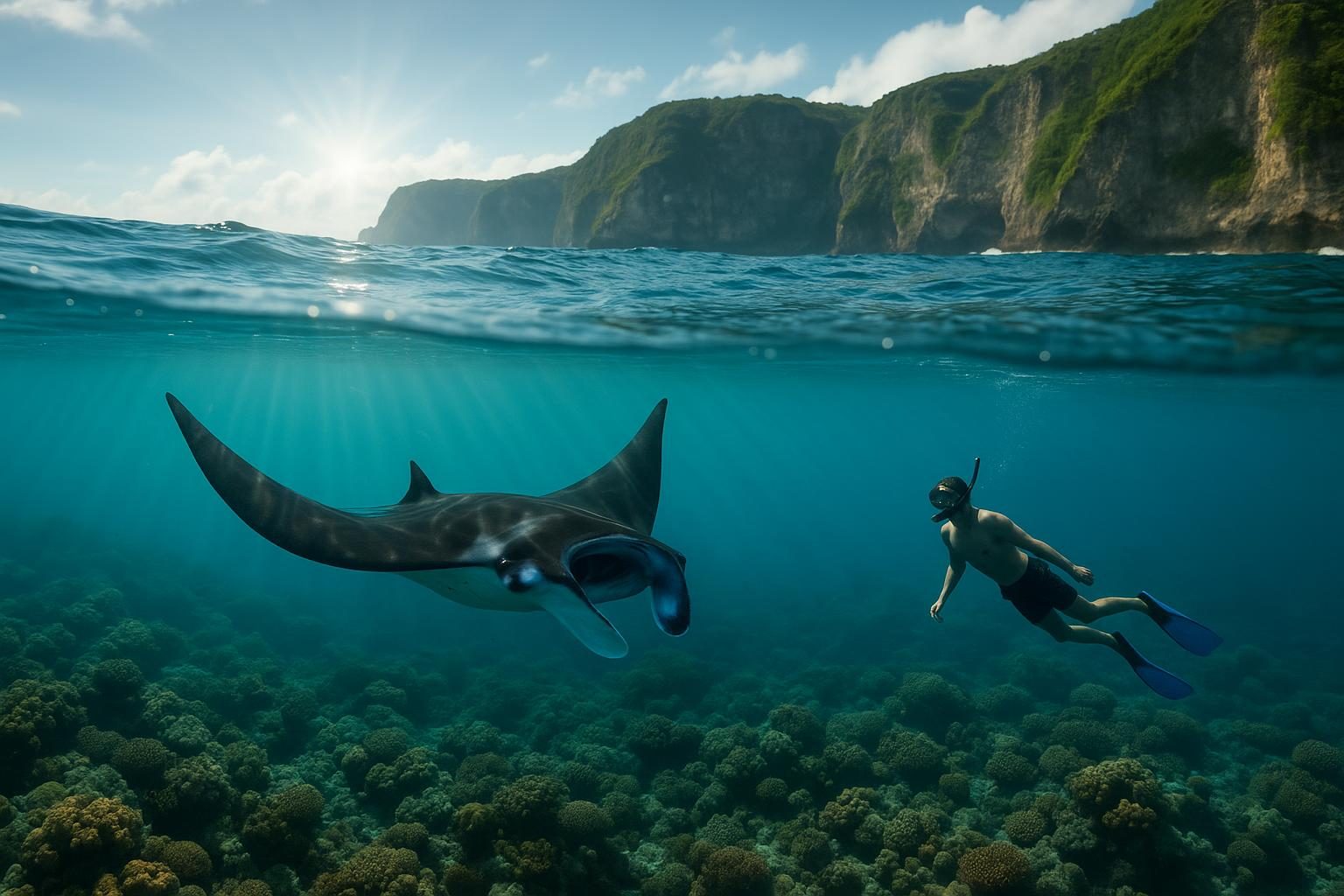
If Kelingking is drama, Crystal Bay is serenity. On the north coast, this calm crescent of sand is the island's best swimming beach, with clear water that drops gradually into deeper snorkeling territory. It's beloved by divers chasing the Mola Mola (ocean sunfish) between July and October—a bucket-list encounter if you can time it right. The bay also hosts the island's best sunsets, when the sky turns shades of pink and gold.
Eastward, Diamond Beach lives up to its jewel-like reputation. A distinctive offshore rock outcrop creates the namesake silhouette, and the sand here is quieter, more contemplative. The turquoise water is nearly as striking as the west coast, but without the crowds. A swing perched at the beach's edge has become an Instagram staple—and yes, it's genuinely fun.
Getting There & Getting Around
Speedboats depart regularly from Sanur (40–45 minutes) and Kusamba (20 minutes), with more than 40 departures daily during peak season. One-way fares run from around IDR 150,000 to IDR 300,000 depending on the operator and season. Boats typically arrive at the east-coast ports (Sampalan or Buyuk) or the west-coast port (Toyapakeh), which is more convenient if you're heading straight to Kelingking.
Once on the island, rent a scooter or hire a private driver. The latter is worth the cost: roads are narrow, potholed, and steep, with minimal signage. A driver also means you can relax and soak in views rather than white-knuckling through hairpin turns. Most island tours or speedboat operators offer packaged day trips, which remove the logistics headache entirely.
The entry fee to the Nusa Islands (covering Nusa Penida, Nusa Lembongan, and Nusa Ceningan) is IDR 25,000 for adults and IDR 15,000 for children.
When to Visit
The dry season (April to October) is ideal. Seas are calmer, visibility is clearer, and the sky is more likely to cooperate for photos. July through October is peak season for Mola Mola sightings if you're interested in diving—book with an operator like Blue Corner Divers to explore the best dive sites.
Avoid November to March if possible; the rainy season brings choppy seas, ferry cancellations, and murky visibility. Come prepared: bring reef-safe sunscreen, water shoes (those rocks are sharp), and a rashguard for snorkeling.
Plan Two Days, Not Two Hours
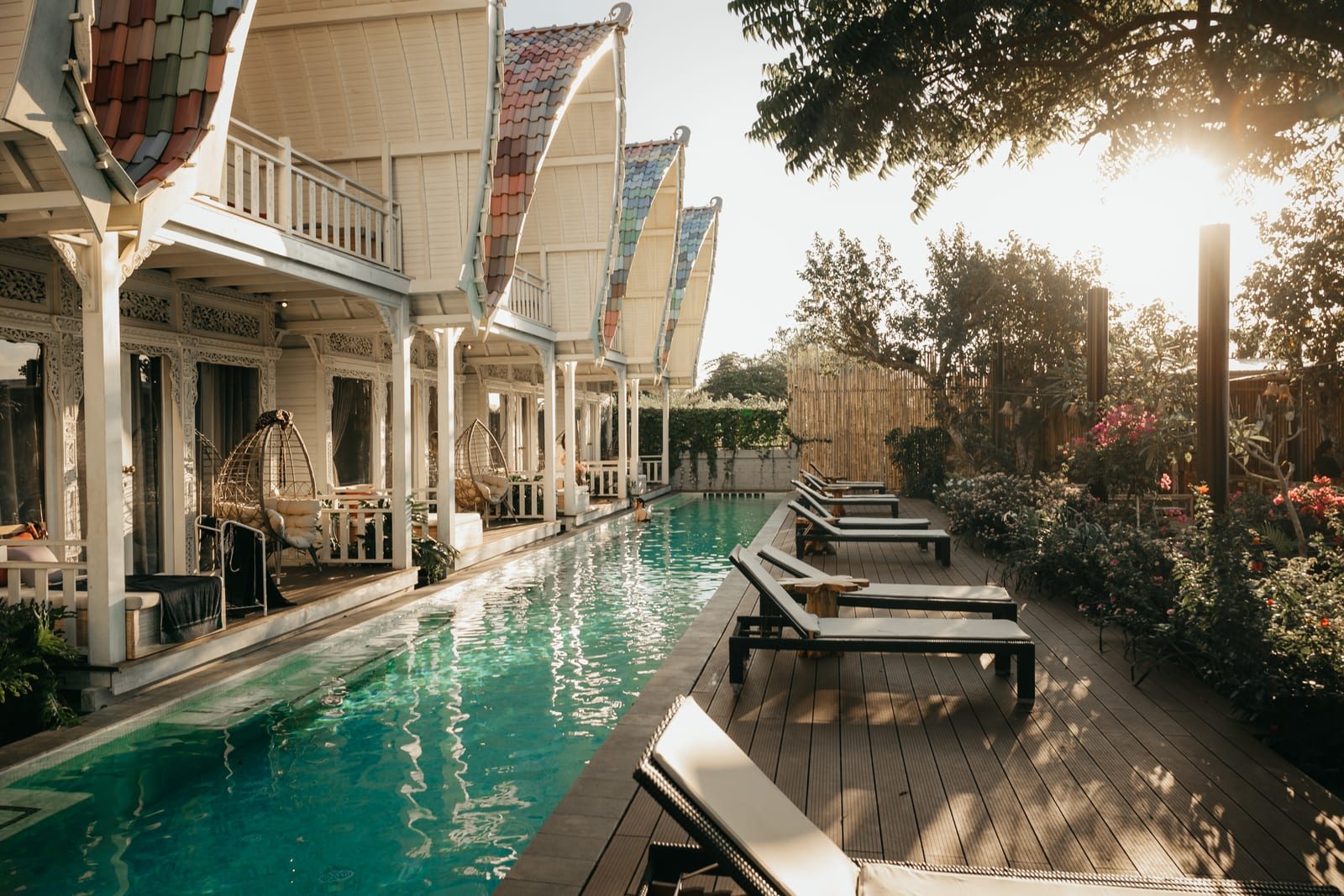
Nusa Penida isn't a quick checkbox. A proper visit deserves two to four days. Stay overnight if you can, and you'll unlock sunset walks, quiet morning swims, and encounters with local life that day-trippers miss. There are plenty of guesthouses and small hotels scattered across the island, from budget-friendly homestays to mid-range beachfront bungalows.
If you do a day trip, at least book a guided tour rather than trying to navigate solo—your maps will fail, your scooter skills will be tested, and you'll appreciate having a local who knows the tides and the shortcuts.
Safety & Practical Notes
Respect the tides. Angel's Billabong changes character entirely with the tide. A local guide or a quick tide app check is non-negotiable. Never swim against currents; if you feel unsafe in the water, get out.
Wear proper footwear. Kelingking's descent is slippery, especially after rain. Coral cuts sting. Reef shoes are your friend.
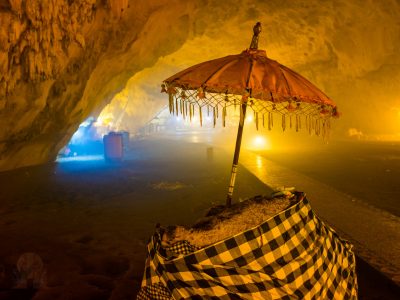
Temple courtesy. If you visit Goa Giri Putri Temple (a stunning Hindu shrine inside a cave), wear a sarong (provided at entry) and dress modestly. Remove shoes before entering sacred spaces. The 300-meter cave passage is cool and spiritual; arrive early to avoid crowds.
Bring cash. Many establishments on the island don't have reliable card readers. An ATM exists in the main town, but don't rely on it.
Nusa Penida rewards the curious and the patient. It's raw, dramatic, and still refreshingly unpolished compared to the developed parts of Bali. Come for the cliffs, stay for the peace.