Manta Point Nusa Penida: Swimming with Mantas in Open Water
Manta Point is where oceanic manta rays — some with wingspans exceeding four metres — gather to feed and be cleaned in the channel south of Nusa Penida. Whether you snorkel or dive, encountering these animals in open water is among the most affecting wildlife experiences in Southeast Asia.
Manta Point Nusa Penida: Swimming with Mantas in Open Water
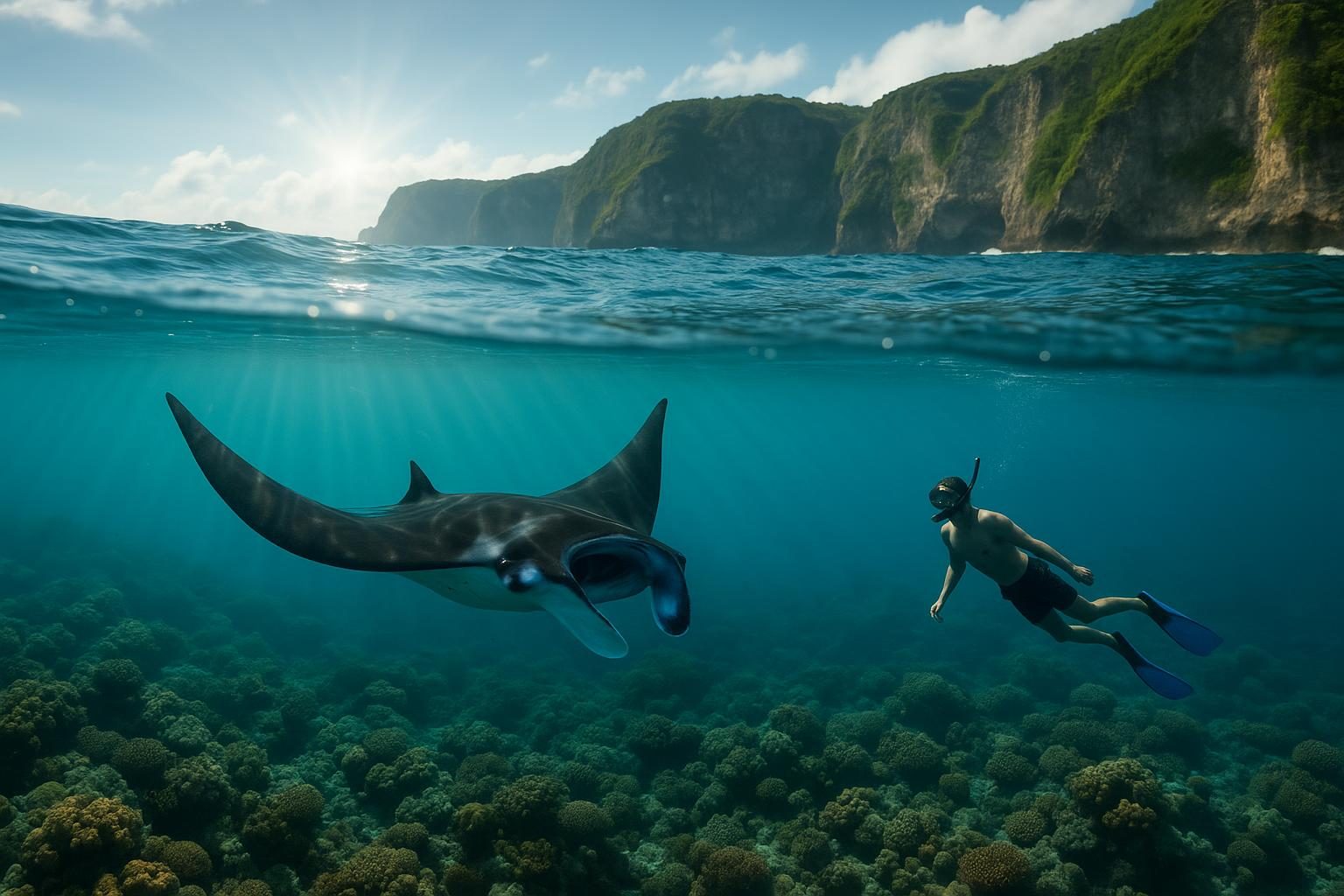
The moment stays with you. You drop into turquoise water and there, ten metres below, a manta ray the width of a small car banks slowly through the current, its cephalic fins curled forward, its movement unhurried and entirely indifferent to your presence. Then another. Then five more. Manta Point is the reason many divers come to Bali at all.
Located off the southwestern tip of Nusa Penida, Manta Point is one of the most reliable sites in the world for encounters with oceanic manta rays (Manta birostris). This guide covers what to expect, how to get the most from the experience, and how to do it without contributing to the harm that increasing visitor numbers have caused.
The Mantas Themselves
The rays at Manta Point are oceanic manta rays (Manta birostris), the largest ray species on earth. Wingspans routinely reach three to four metres; the largest recorded individuals exceed seven. They are filter feeders, sustaining themselves on zooplankton concentrated in the currents that funnel through this stretch of the Lombok Strait.
What draws them to Manta Point specifically are the cleaning stations — shallow reef structures where small wrasse and other cleaner fish remove parasites from the mantas' skin and gills. A manta at a cleaning station will hover in place, wings spread wide, mouth slightly open, for minutes at a time. It is an extraordinary thing to watch.
Mantas are harmless to humans. They have no stinger, no aggression, no apparent concern about snorkellers or divers floating nearby. Their world is simply much larger and slower than ours.
The Site: Currents and Conditions
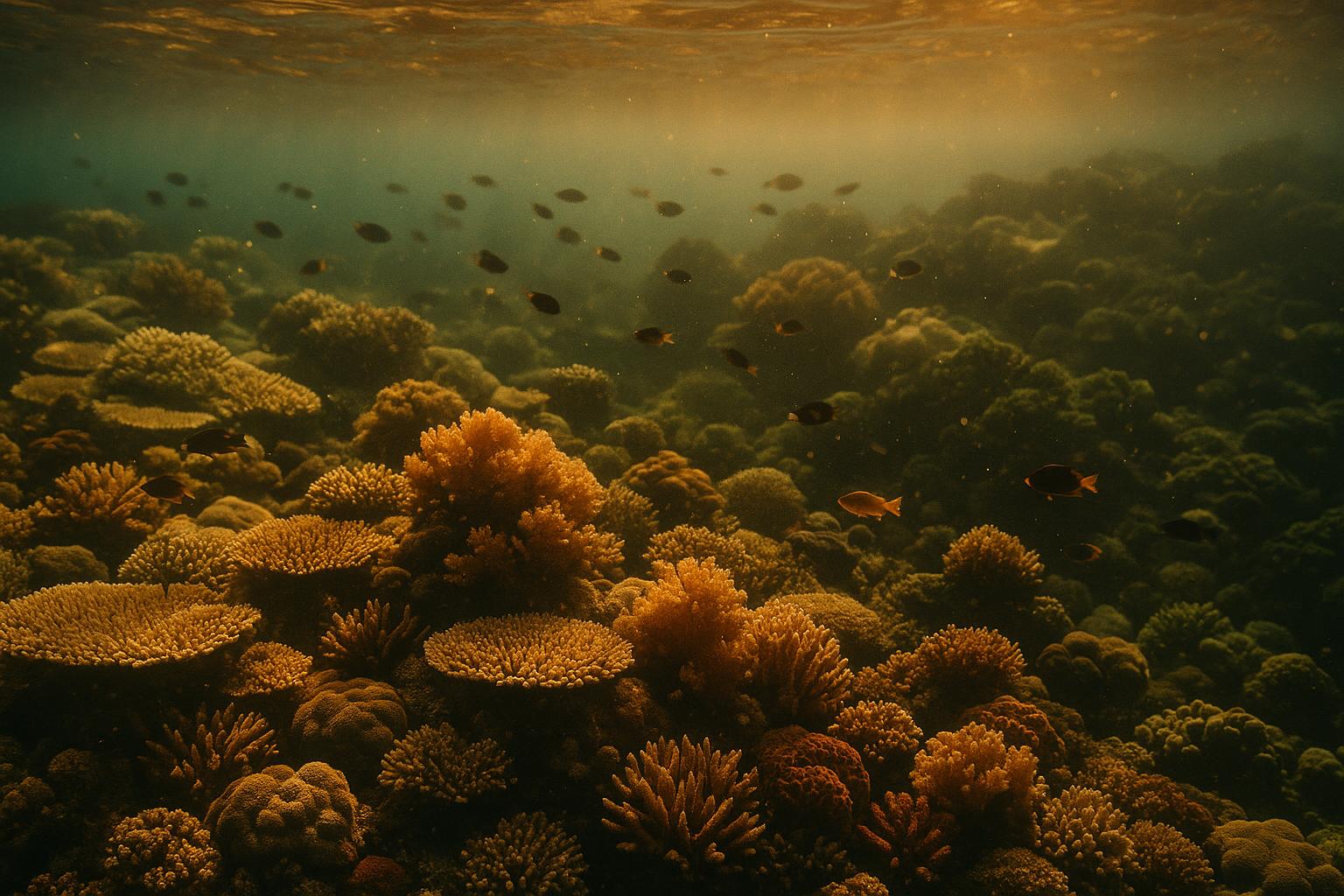
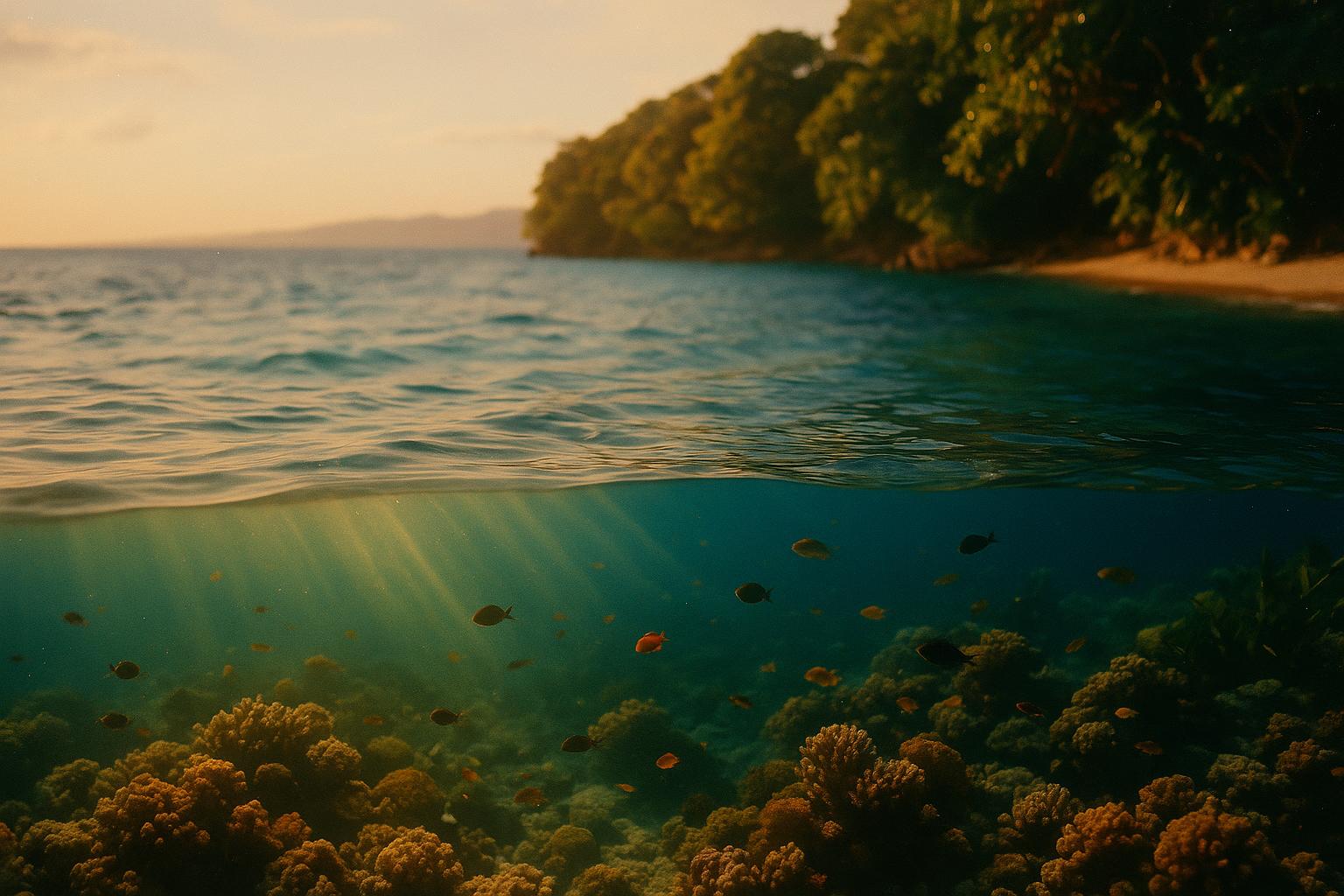
Manta Point sits in exposed open water southwest of Nusa Penida's headland, accessible only by boat. The channel between Nusa Penida and the open Indian Ocean generates strong, unpredictable currents — conditions that the mantas depend on but that demand respect from visitors.
This is not a beginner dive site. Currents can run fast and reverse with little warning. Surge can push snorkellers toward the reef. The surface is often choppy. If you are a nervous open-water swimmer, honest self-assessment matters here. A good operator will brief you on conditions and will not put inexperienced snorkellers in the water on rough days.
For divers, Manta Point is generally classified as an intermediate-to-advanced site. Open-water certification alone is sufficient in calm conditions, but comfort in current is genuinely important.
Snorkelling vs Diving
Both work. The cleaning stations are relatively shallow — between five and fifteen metres — which means snorkellers on the surface can see the mantas clearly, especially when the animals are actively feeding or being cleaned close to the reef.
Snorkelling advantages: accessible to most visitors, less expensive, no certification needed, no equalisation stress.
Diving advantages: you can hold position near the cleaning stations without floating over them, the mantas come closer, and you spend more time at their level. Watching a manta pass directly overhead is different in kind from watching it from the surface.
The most important rule for both: do not touch the mantas. The oils and bacteria on human skin damage the mucus layer that protects them from infection. Do not chase them. Do not position yourself directly in their path. Move quietly, avoid sudden movements, and let them come to you — they often will.
Best Season
May through October is the peak season for Manta Point, when southeast trade winds bring clear, calmer conditions and plankton blooms concentrate the mantas in this area. July and August see the highest numbers.
The site operates year-round, and manta sightings occur in every month — but the November-to-April wet season brings choppier seas, reduced visibility, and less predictable encounters. If manta rays are the reason you are coming to Nusa Penida, plan around the dry season.
Choosing an Operator
The quality of your experience at Manta Point depends almost entirely on the operator you choose. A good operator matters more here than at almost any other dive site in Bali.
Look for operators who:
- Brief passengers on manta etiquette before entering the water — if the briefing skips this, walk away
- Limit group size — eight to twelve snorkellers maximum, eight to ten divers maximum
- Do not herd mantas or chase them with boats to keep them in front of guests
- Are affiliated with recognised conservation programmes — many responsible operators participate in the Manta Trust photo-identification database
Based in Nusa Penida itself:
- Big Fish Diving — small groups, strong safety record, English-speaking guides
- Onus Dive School — PADI centre, popular for intro dives and snorkel tours
From Sanur, most established dive centres run day trips to Manta Point combining it with Crystal Bay — a long but worthwhile day.
Prices: snorkelling day trips from Nusa Penida run approximately 350,000–600,000 IDR including gear and boat. Dive trips run 650,000–1,200,000 IDR for two dives depending on operator and equipment.
Getting to Manta Point
You cannot access Manta Point independently — there is no beach entry, and private boat hire without a guide is strongly discouraged. All visits are by organised tour or chartered dive boat.
Most operators depart from Toyapakeh on Nusa Penida's north coast, or from Crystal Bay on the west. The boat ride to Manta Point takes 20–40 minutes depending on departure point and sea conditions.
From Sanur or Seminyak, day trips to Nusa Penida that include Manta Point require a 7–7:30am departure. Budget a full day.
What to Bring
- Wetsuit or rash guard (the water is warm — 27–29°C in peak season — but you will be in it for extended periods)
- Reef-safe sunscreen only — standard sunscreen contains oxybenzone and other compounds toxic to coral
- Underwater camera or GoPro — the encounters are unforgettable and worth documenting
- Sea-sickness medication if you are at all prone — the open ocean crossing can be rough
A Final Word
The manta rays of Nusa Penida are not an attraction. They are wild animals in their own habitat, tolerating our presence with a generosity they have not chosen. The site's health depends directly on how visitors behave — boats that crowd and chase, snorkellers who grab at fins, operators who prioritise photo opportunities over animal welfare have measurable negative impacts on manta behaviour and stress.
Choose your operator carefully. Follow the briefing. And if the mantas come close, resist every urge to reach out. Let the moment be what it is.