Snorkelling in Pemuteran: Shallow Reefs, Sea Turtles and the Biorock Garden
Pemuteran's reef begins just metres from the shore — and it is among the most accessible, rewarding snorkelling in all of Bali. No boat required, no experience needed, and sea turtles are practically guaranteed.
Not every great reef requires a dive tank and a certification card. At Pemuteran, some of the most visually striking coral formations in Bali sit in water shallow enough to stand up in — and what you can see with a mask and a snorkel on a clear morning here rivals what most people encounter on a full dive in more crowded parts of the island.
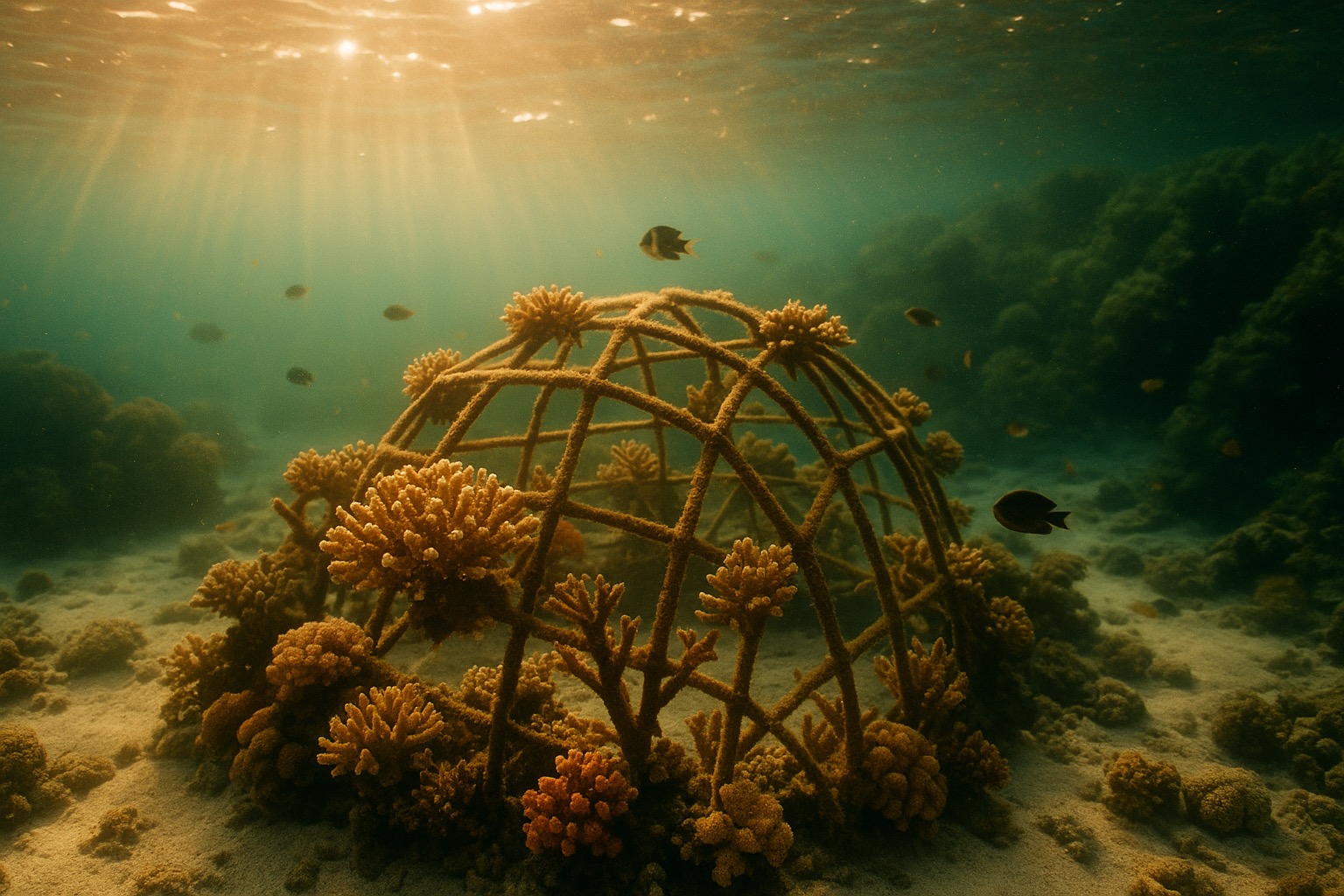
This is partly the result of geography: the bay is naturally sheltered, the water warm and calm, and the visibility consistently clear. But it is primarily the result of the Karang Lestari Biorock project — the coral restoration initiative that has been quietly rebuilding this reef since the year 2000, and that now places extraordinary living structures within arm's reach of the waterline.
Getting In: Shore Entry and the Shallow Zones
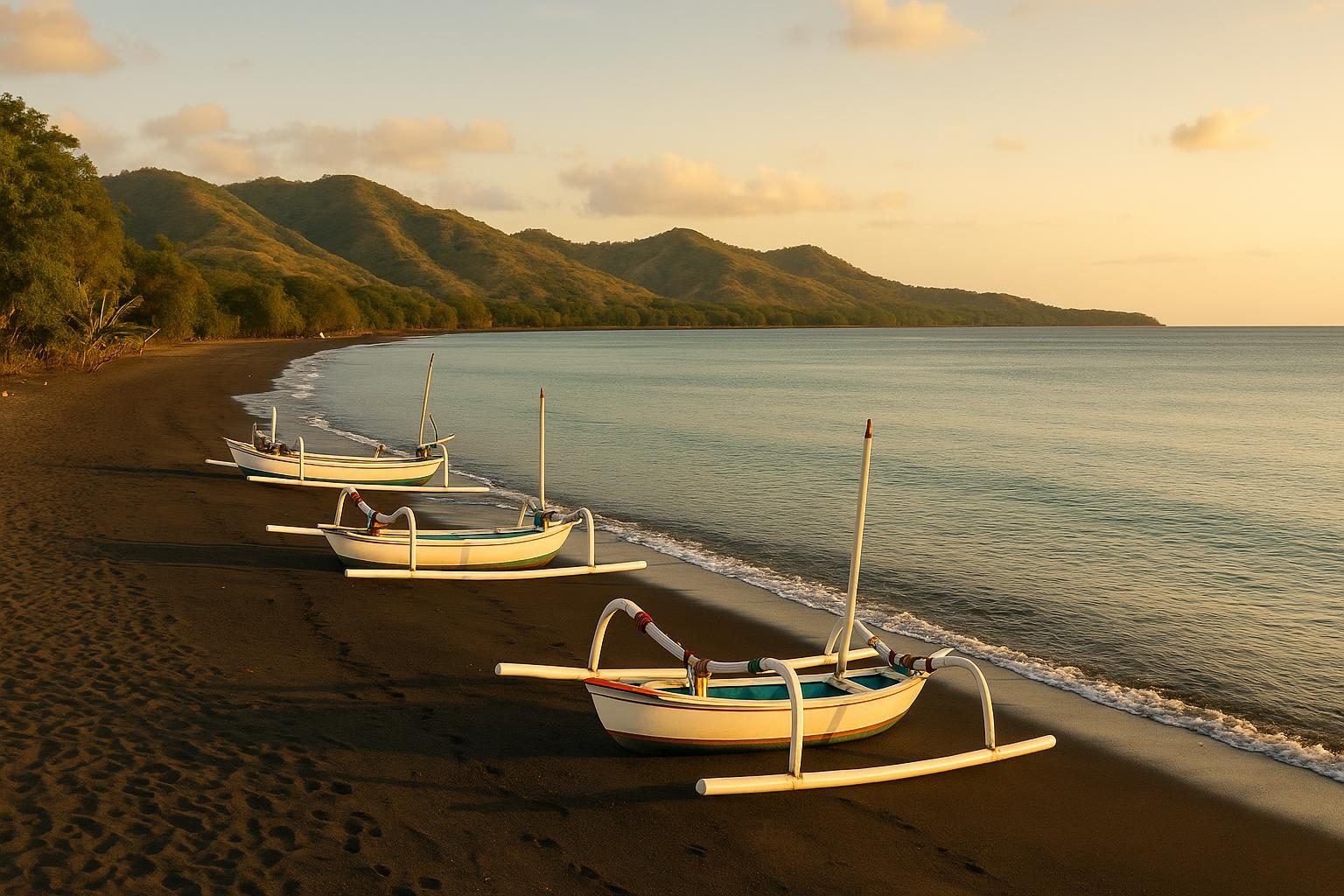
The snorkelling in Pemuteran begins directly from the beach. There is no pier, no boat shuttle, and no staged departure time. You walk into the water from the grey-sand shore in front of the village's dive operators, wade out to chest depth, and the reef begins.
The inner Biorock zone — the most visited and most established section of the project — sits at depths between one and five metres along a stretch of approximately 200 metres of bay frontage. The bottom drops gradually from shore, which means the shallowest structures are accessible to children and non-swimmers with a buoyancy aid, while the outer edge of this zone reaches four to five metres — enough to require a confident duck-dive for a closer look, but perfectly readable from the surface above.
For a wider, quieter experience, swim slightly further east along the bay toward the Puri Ganesha resort — the natural reef slope here receives fewer visitors and has good coral coverage from around three metres down.
The Biorock Structures: What You Will Actually See
The Biorock frames have been in the water for over two decades. The oldest and most encrusted of them are now genuinely spectacular — not as abstract metal armatures but as living reef formations that happen to have a geometric origin.
Domed structures are layered with table coral and staghorn coral colonies that have long since grown beyond the frame's footprint. Arch structures have become swim-throughs colonised by soft corals in muted orange and violet. The flat surfaces of horizontal frames carry dense mats of brain coral and lettuce coral in shades of green and brown.
Moving through this zone you are likely to encounter:
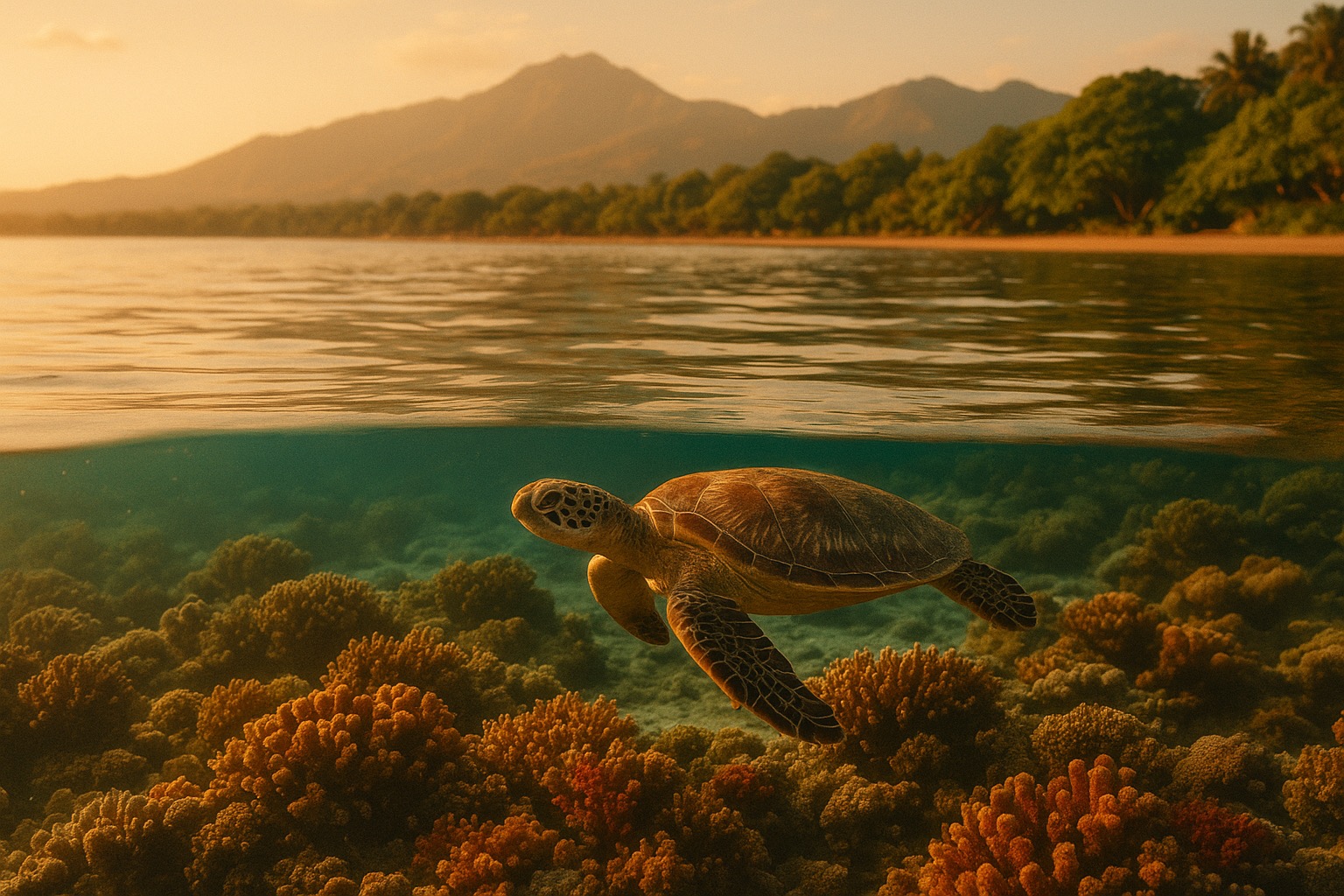
- Green sea turtles — these are the highlight for most visitors. Turtles are resident in the bay year-round and are so accustomed to snorkellers that they frequently continue feeding on the coral algae within metres of people. Maintain a respectful distance of at least a metre, and do not attempt to touch or block their path.
- Parrotfish — large specimens, often pale blue or green, grazing the coral surfaces. The crunching sound you hear underwater is them biting coral.
- Clownfish in anemones — pairs nested in the tentacles of sea anemones on the frame edges. The Biorock structures host more anemones than the surrounding natural reef.
- Moorish idols and angelfish in loose groups along the outer edges of the frames.
- Moray eels — most commonly the yellow-margined moray — with just their heads visible from crevices in the deeper sections. Impressive, not dangerous unless you reach toward them (don't).
- Pufferfish drifting slowly through the middle water column, unconcerned by human presence.
- Juvenile fish of many species sheltering inside the frame structures themselves — the Biorock acts as a nursery, and the density of small fish inside the arches and domes is remarkable.
Timing Your Visit: Why Morning Is Everything
Snorkelling in the afternoon at Pemuteran is acceptable. Snorkelling in the morning is transformative.
The light angle between approximately 7am and 10am is ideal — the sun is low enough to enter the water at a glancing angle, illuminating the coral from the side and making the colours explode in a way that the flat overhead light of midday simply cannot replicate. Blues deepen, reds and oranges that are invisible in midday light become vivid.
More practically: wind in the bay typically picks up after midday, introducing surface chop that reduces visibility from below and makes the snorkel experience physically less comfortable. Early morning, the surface is often glassy, and visibility can reach 15 metres or more in the shallows.
The turtles also tend to be most active in the early morning, feeding on algae on the upper surfaces of the Biorock structures before retreating to deeper water or hauling out on the beach further east.
Equipment Rental and Operators
Mask, snorkel, and fins can be rented from any of the dive operators along the Pemuteran beachfront for a nominal fee — typically 50,000 to 100,000 IDR per set. The quality of rental equipment in Pemuteran is generally good; the operators here are primarily dive-focused businesses and maintain their gear accordingly.
For a guided snorkel tour — which includes an escort over the Biorock structures, identification of key species, and a contribution to the Karang Lestari reef fund — expect to pay around 150,000 to 200,000 IDR per person. This is worth doing at least once, particularly if marine life identification is important to you.
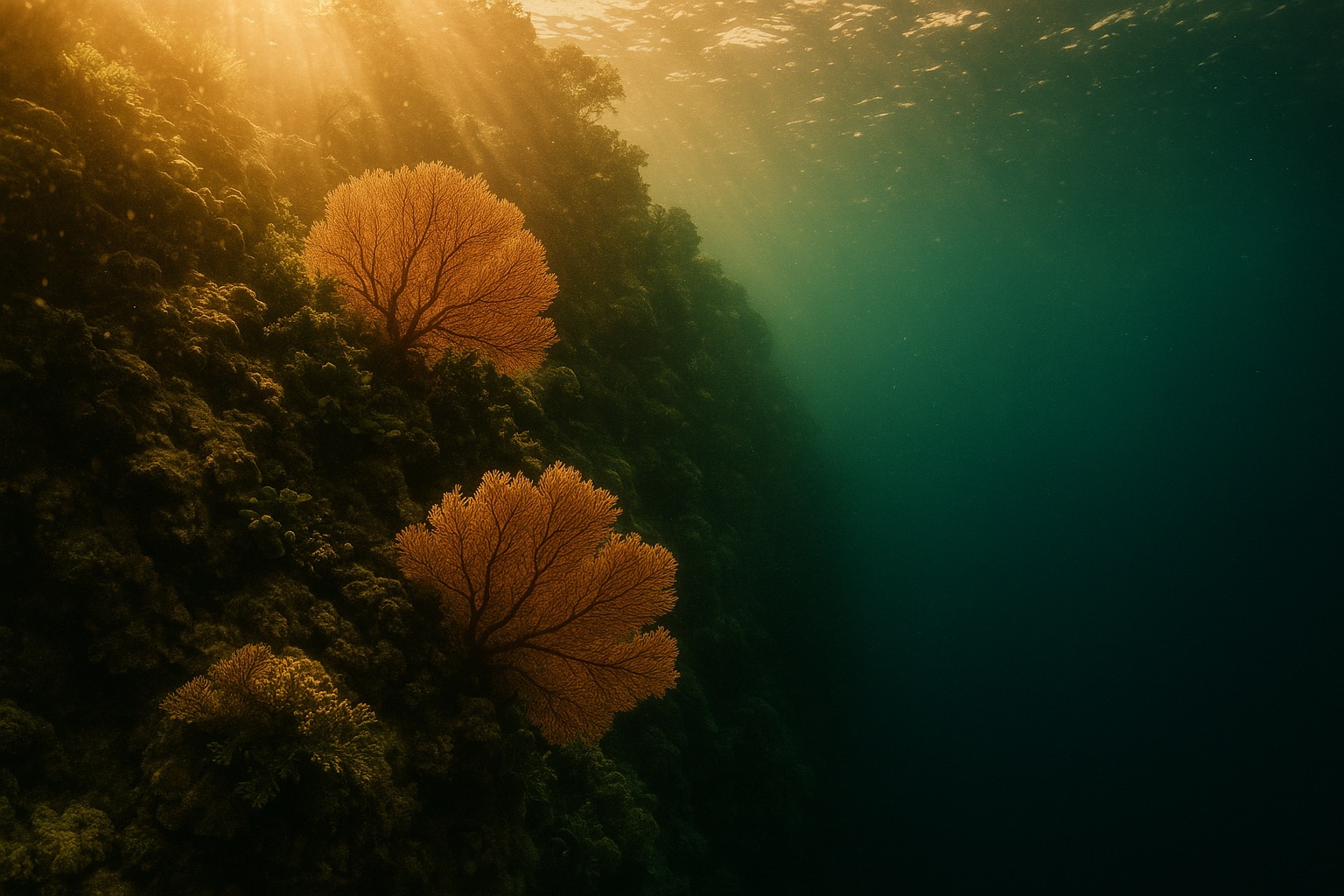
Rocky's Dive Center and Reef Seen Aquatics both offer snorkel guiding alongside their dive operations. For guests at Taman Sari and Puri Ganesha, equipment and guided sessions are typically available directly through the resort.
Practical Notes
Sun protection matters more than it might seem. The combination of clear water, equatorial sun, and the reflective surface means you can burn significantly on your back and the backs of your legs within an hour. A rash vest or full-length UV suit is strongly recommended; standard sunscreen should be reef-safe (no oxybenzone or octinoxate) — look for mineral-based (zinc oxide) options.
Entry points are most easily found in front of Dive Concepts Pemuteran or Rocky's Dive Center — staff can point you to the current best entry for the inner Biorock zone.
Currents in Pemuteran Bay are mild and generally predictable, but check with operators on the morning of your visit. The bay occasionally experiences a gentle lateral drift that is easily managed but worth knowing about if you are snorkelling with children.
For those interested in going deeper, the complete picture of the reef — including the wall garden beyond the Biorock zone — is covered in the Pemuteran diving guide.