Diving Pemuteran and Menjangan Island: Northwest Bali's Best Sites
Menjangan Island offers some of the most dramatic wall diving in Southeast Asia — and most divers reach it through the quiet bay of Pemuteran. Here is everything you need to plan your underwater itinerary in northwest Bali.
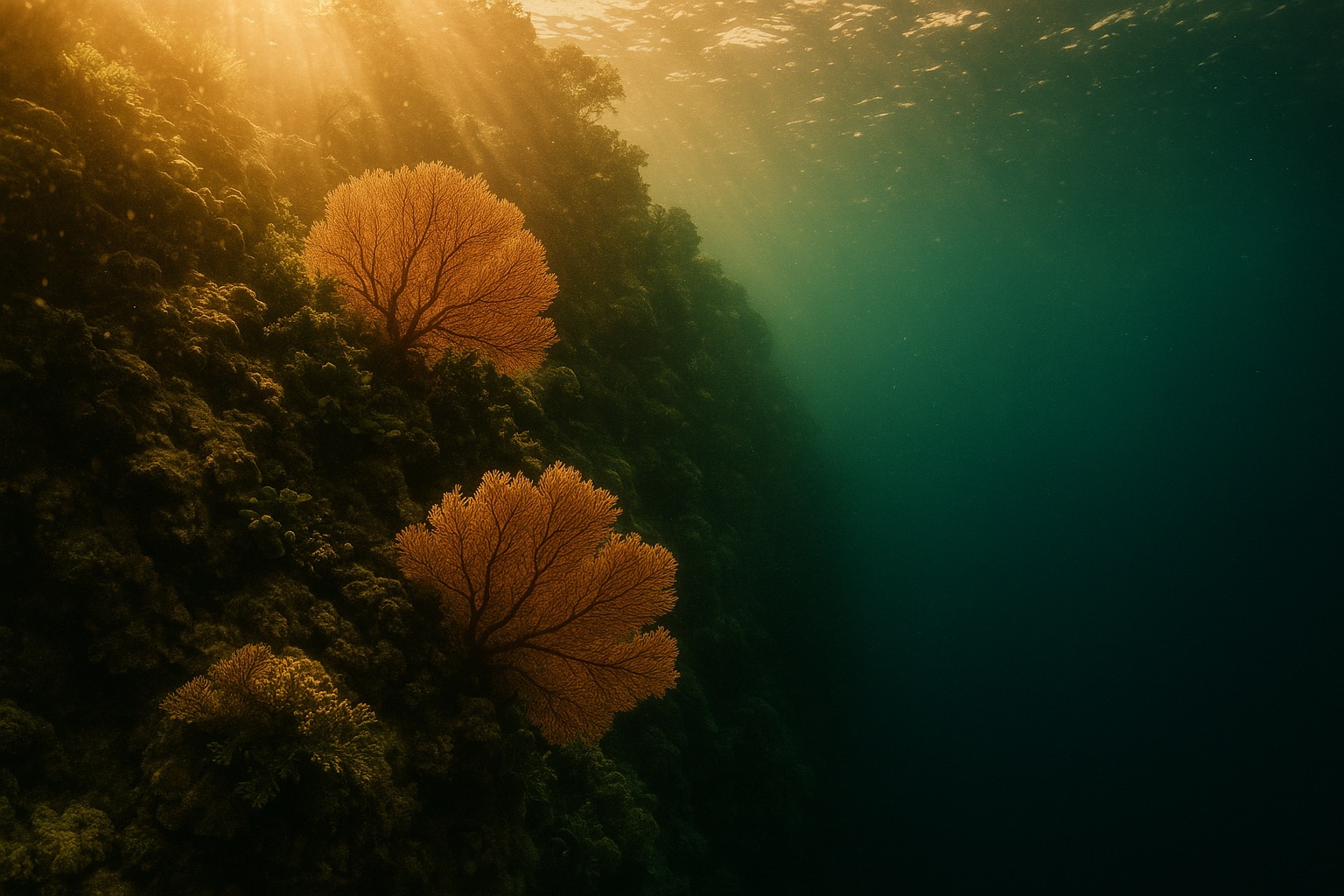
There is a version of Bali that exists entirely below the waterline. Forty metres down, on the western face of Menjangan Island, a vertical wall drops into blue nothing — coral-encrusted, lit with the diffuse green glow of tropical shallows above and fading into darkness below. Sea turtles angle past without concern. A white-tip reef shark holds its position in the current without moving. This is northwest Bali's diving, and it is among the finest in the Indonesian archipelago.
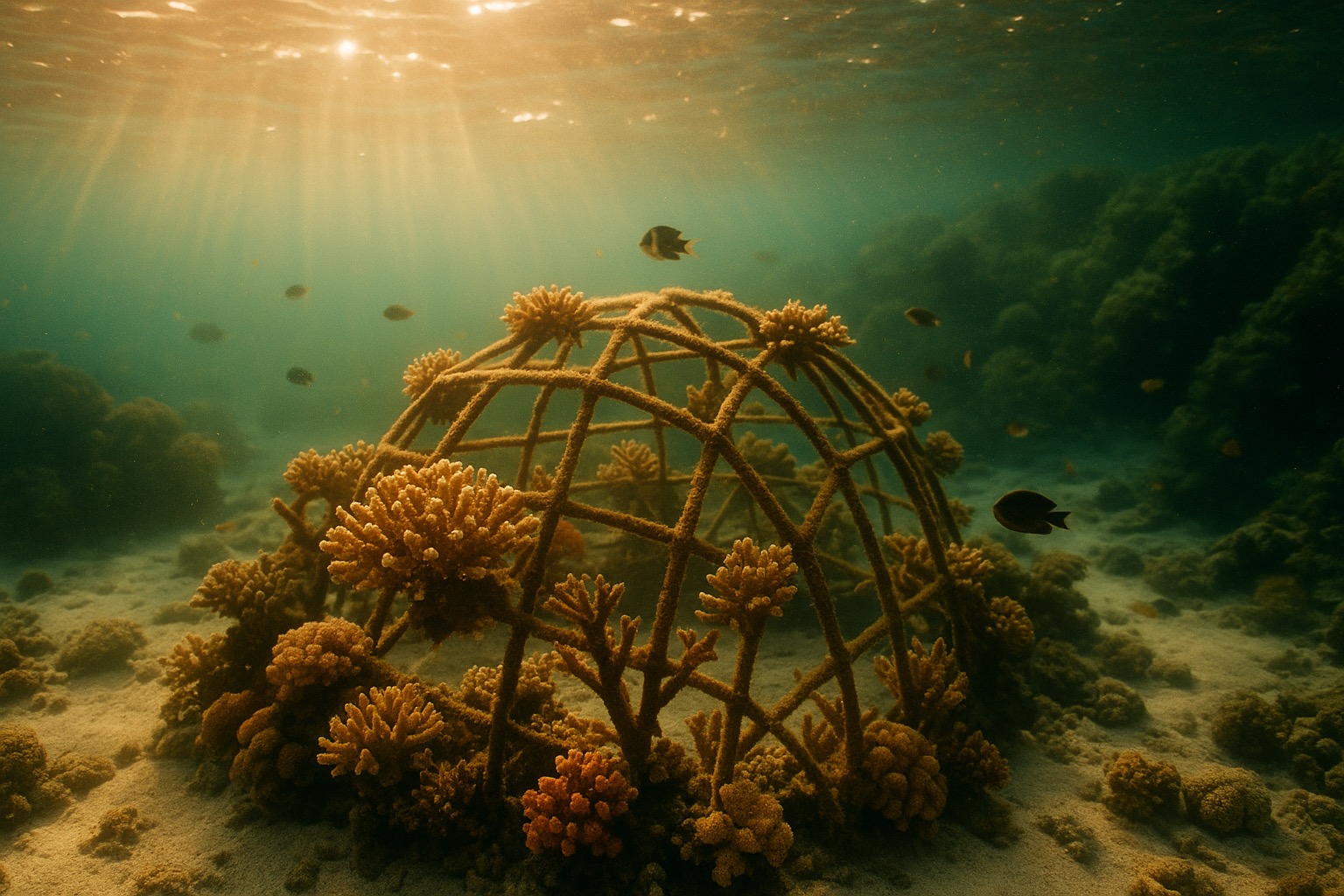
The base for virtually all of it is the village of Pemuteran — a forty-five-minute boat ride from Menjangan, home to the famous Biorock restoration project in its own bay, and possessing enough of its own dive sites to fill several days without ever leaving the immediate area.
Menjangan Island: The Main Event
Menjangan — the name means "deer" in Balinese, a reference to the Java deer that still roam its forested interior — sits within the West Bali National Park and is the most protected dive environment in Bali. There are no permanent residents, no development, and no commercial fishing. The result is a marine environment of exceptional clarity and biodiversity.
The island is ringed by a narrow reef shelf that drops abruptly into deep water on its northern and western faces. These are classic wall dives — you begin your descent in the shallows, cross the reef crest, and then the bottom simply disappears beneath you.
The Walls
Eel Garden, on the northwest face, is one of the most photographed sites in Bali. The wall here is densely encrusted with sea fans, barrel sponges, and hard corals, and the shallow reef terrace before the drop is home to enormous colonies of garden eels — hundreds of them swaying from the sandy substrate in synchronised columns. Visibility regularly exceeds 25 metres, occasionally reaching 40 metres.
Anker Wreck sits at 40 metres — a 19th-century Dutch anchor lodged against the wall, encrusted beyond recognition, with a resident school of batfish and reliably good lighting in the mornings. This is the site that most divers with deep certification prioritise.
Pos 2 and Bat Cave offer slightly gentler wall profiles, better for newer open-water divers and for marine photographers who want to work slowly through the shallow sections. The soft coral density at Pos 2 is exceptional — pink, orange, and yellow sea fans covering the wall from five to twenty metres.
Practicalities: Getting to Menjangan
The boats to Menjangan depart from Labuhan Lalang, the national park's official pier, which is approximately 30 minutes east of Pemuteran village by road. Most dive operators in Pemuteran handle the logistics end-to-end — they pick you up at your accommodation, transport the gear and tanks to Lalang, and the boat crossing to the island takes a further 30 to 45 minutes depending on conditions.
Entry to the national park costs a small fee, collected at the pier. Dive operators factor this into their package pricing. Expect to pay between 70 and 120 USD per person for a two-dive day trip including transfers, boat, guide, and equipment rental — prices vary by operator and group size.
Park permit hours restrict diving to daylight and within designated zones. Night diving at Menjangan is not permitted. Most day trips run two dives in the morning and are back at the pier by early afternoon, which suits the visibility conditions well — afternoon can bring haze and wind chop.
Pemuteran Bay: Diving the Biorock Reef
The dive sites directly within Pemuteran Bay offer something different from Menjangan — shallower, warmer, and with the unique character of the Karang Lestari Biorock project as a centrepiece.
The Biorock structures — metal frames encrusted over twenty-plus years with hard and soft coral — sit in depths ranging from two to fifteen metres. For divers, this makes them ideal for no-decompression extended dives, photography, and macro work. The frames host nudibranchs, ghost pipefish, juvenile bumphead parrotfish, and occasional octopus in the crevices.
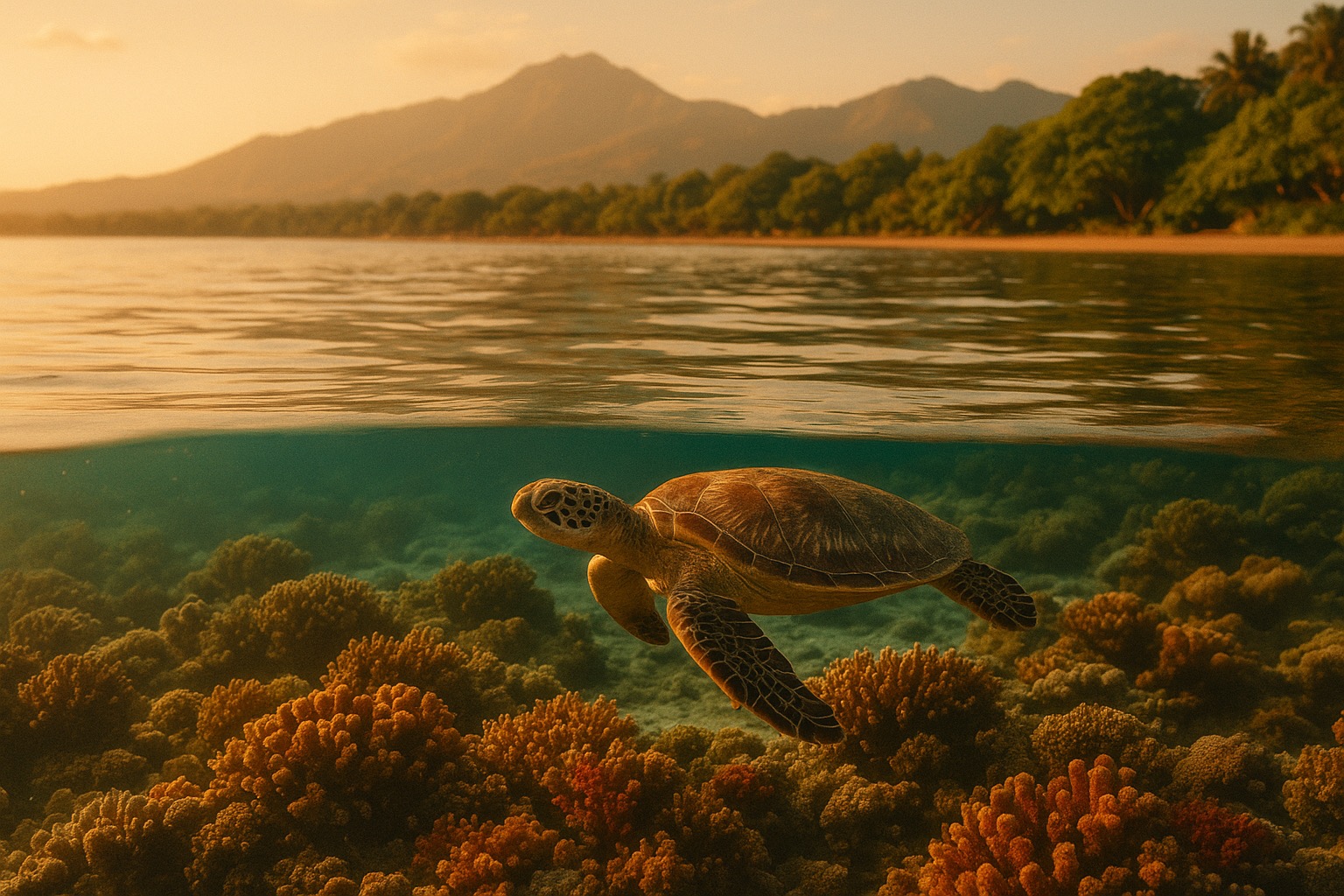
Beyond the Biorock, the natural reef slope runs from around eight metres down to 25-30 metres before giving way to sand. This section — known locally as the wall garden — is less dramatic than Menjangan but has excellent coral diversity and consistently good fish density. Green turtles are exceptionally common here; it is routine to share a single dive with three or four individuals.
Dive Operators in Pemuteran
The quality of operators in Pemuteran is consistently higher than in the more commercial dive hubs of Amed or Sanur. The village is small enough that reputation matters, and the proximity to Menjangan Island — a genuinely elite site — means operators here tend to attract experienced, discerning divers.
Rocky's Dive Center is the longest-established operator in the village and has strong credentials for both beginner courses and guided Menjangan trips. Reef Seen Aquatics is closely linked to the Biorock project and is particularly recommended for divers with a conservation interest. Taman Sari Dive operates from the Taman Sari resort and offers polished logistics for guests and non-guests alike.
All reputable operators maintain current PADI or SSI affiliation, provide equipment in good condition, and assign guides with genuine local knowledge. A minimum Open Water certification is required for Menjangan wall dives; Advanced is recommended for the deeper sections and the Anker Wreck.
Season and Conditions
The best diving in northwest Bali runs from October through April — the dry season in this part of Bali (which is the reverse of the south). Visibility is at its peak, seas are calm, and the Lombok Strait current that funnels past Menjangan's western face is at its most manageable.
May through September sees increased surface chop, reduced visibility (though still 15-20 metres on most days), and stronger currents at some Menjangan sites. The diving is still excellent in these months — simply more variable. Pemuteran Bay itself is sheltered year-round, so the Biorock sites are diveable in virtually all conditions.
Water temperature sits between 26°C and 29°C throughout the year. A 3mm wetsuit is comfortable for multiple dives per day.
Pemuteran vs Amed: What's the Difference?
The other major dive hub in Bali's north-east, Amed, is frequently compared to Pemuteran. The comparison is worth making clearly.
Amed is the better base for the USS Liberty wreck at Tulamben and for the volcanic black-sand macro photography that defines east Bali diving. Pemuteran is the better base for wall diving (Menjangan), coral gardens, and conservation-focused reef experiences. They are not rivals — they offer genuinely different diving, and the dedicated underwater traveller should spend time at both.
The getting there guide for Pemuteran covers the logistics of the drive between Pemuteran and the rest of Bali, including Amed, if you are planning to combine both in a single trip.