Sidemen Valley: Bali's Most Peaceful Rice Terrace Escape
Discover Sidemen Valley, East Bali's best-kept secret — emerald rice terraces, hidden waterfalls, and stunning Mount Agung views far from the tourist crowds.
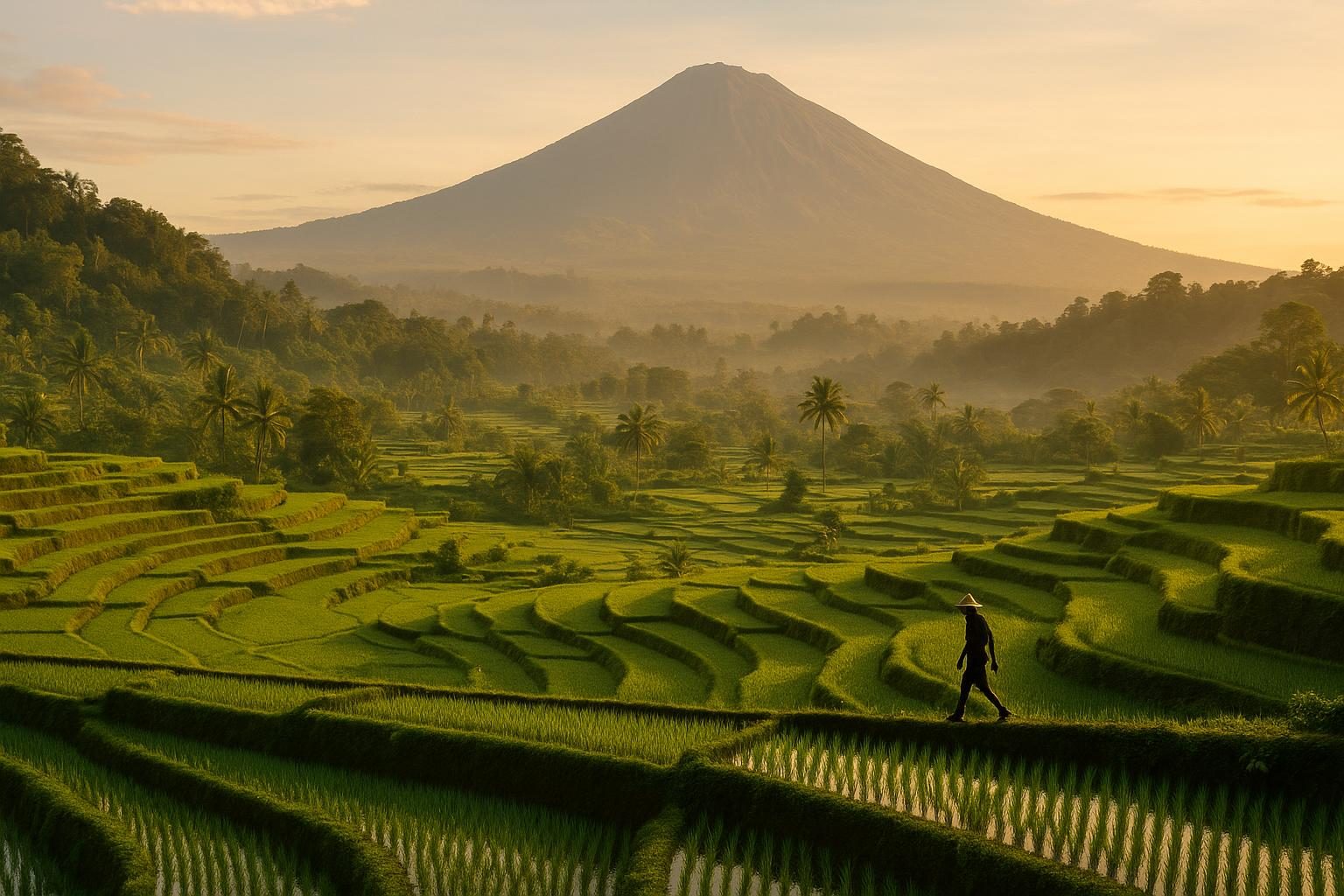
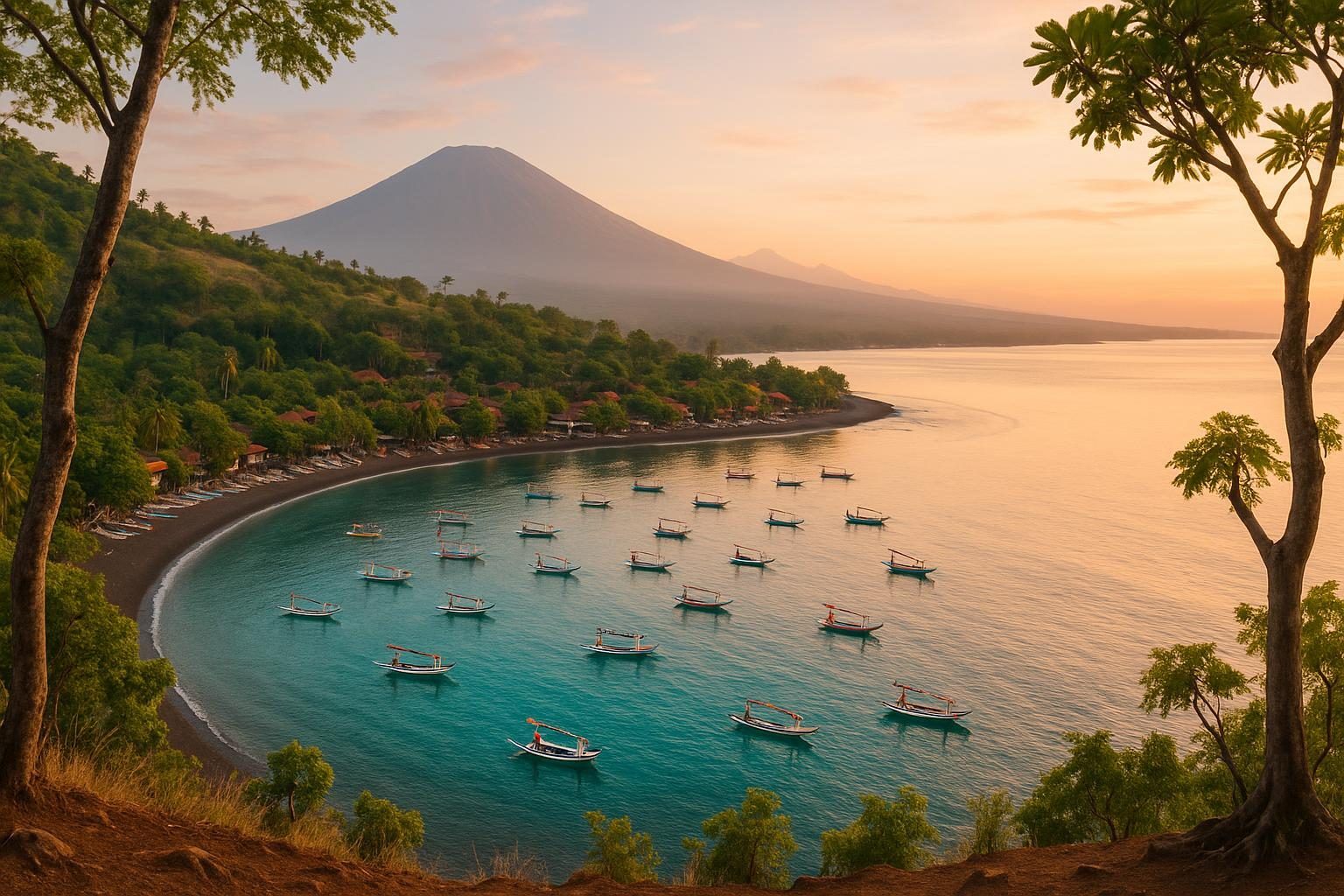
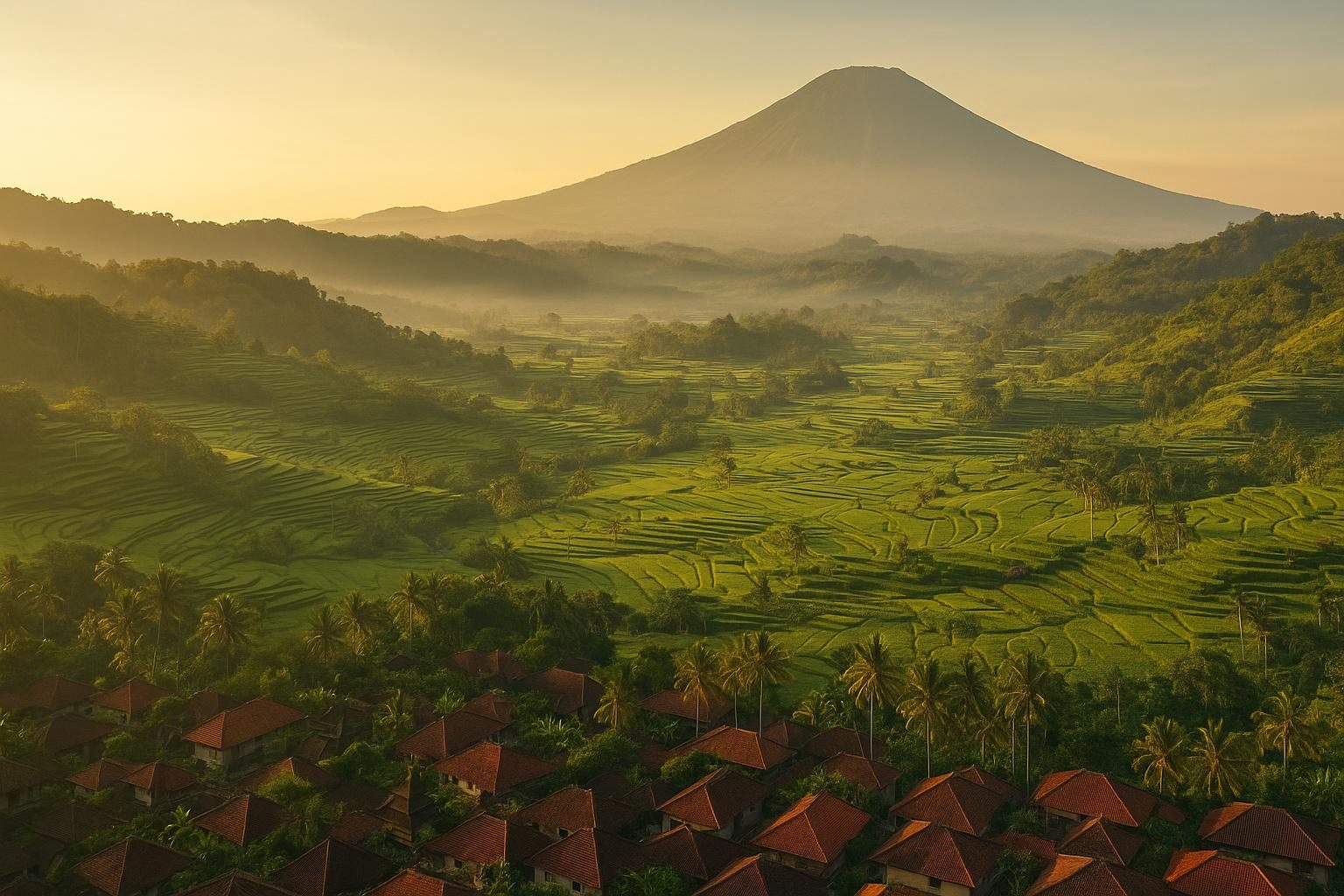
Tucked away in the green hills of East Bali, Sidemen Valley is one of those rare places that still feels genuinely undiscovered. While Ubud's rice terraces draw endless Instagram queues and Canggu fills up with surf cafés, Sidemen quietly gets on with being one of the most beautiful valleys on the island — no entrance arch, no ticketing booth, just miles of working paddy fields framed by the brooding silhouette of Mount Agung.
If you've been to Bali before and want something real, come here.
The Rice Terraces: Sidemen's Defining View
The terraced fields that surround Sidemen village are not a tourist attraction in the conventional sense — they are working farmland, maintained by local farmers using the same subak irrigation system that has shaped Balinese agriculture for over a thousand years. That's precisely what makes them so special.
A marked public walking trail starts at the edge of the village. Entry is around 25,000 IDR per person (indicative; fees may vary). The 3 km round trip takes about an hour at a gentle pace and weaves through narrow paths between flooded paddies, past small shrines draped in yellow cloth, and over bamboo bridges. The best light is in the early morning, when low mist clings to the valley floor and Mount Agung catches the first orange glow of sunrise.
Visit during the wet season (November to March) for the most vivid shades of green — the paddy fields are fully flooded and electric. During the dry season, you'll catch harvest scenes and the golden-brown hues of ripe rice being cut by hand.
Gembleng Waterfall: Hidden Jungle Pools
About 7 km from the village center, Gembleng Waterfall is one of Sidemen's most rewarding side trips. A 140-step staircase descends through thick jungle to reveal a multi-tier cascade that feeds natural infinity pools at the top — perfect for a cool dip with an unobstructed view over the treetops. Entry is donation-based, typically around 10,000–20,000 IDR (indicative). Arrive before 8:30 AM or come late afternoon to catch it without crowds.
Mount Agung Stargazing After Dark
After sunset, the valley transforms. Far from the light pollution of the coast, Sidemen's clear skies offer extraordinary stargazing conditions — and with Bali's sacred volcano looming just to the north, the setting is unforgettable. If you want to take this further, Mount Agung Stargazing offers guided night experiences that combine astronomy and the spiritual landscape of East Bali.
Tirta Gangga: A Royal Water Palace
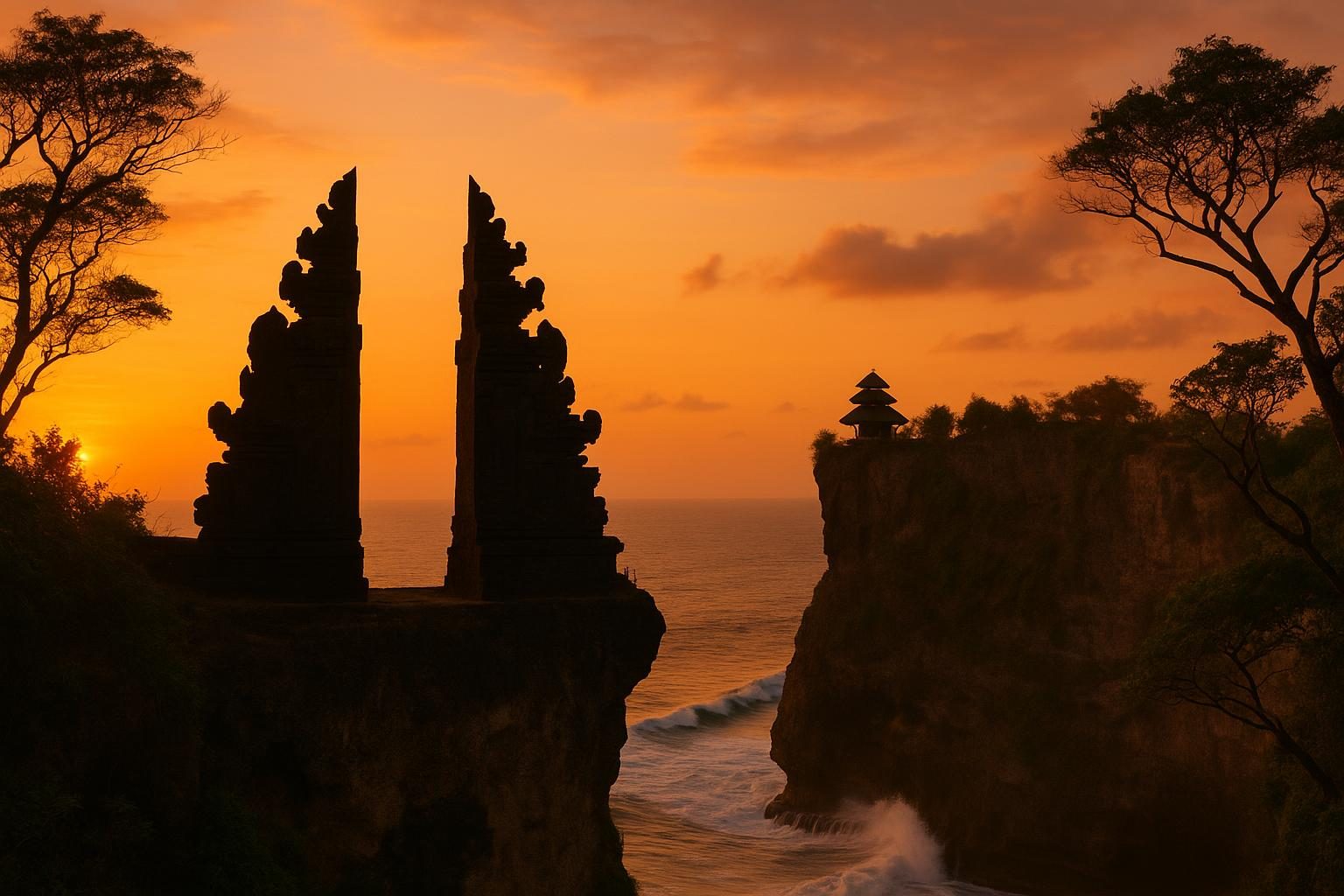
A 30-minute drive north from Sidemen brings you to Tirta Gangga, the former royal water palace of the Karangasem kingdom. Ornate stone fountains, sacred carp ponds, and tiered pools set against a backdrop of paddy fields make this one of the most photogenic spots in East Bali. Entrance is around 50,000 IDR per adult (indicative). Combine it with a morning in the rice terraces for a perfect full day.
Telaga Waja River Rafting
The Telaga Waja River runs along the valley's eastern edge and offers one of Bali's best white-water rafting experiences — without the overcrowded conditions of more famous rivers. Class III and IV rapids guide you through 18 km of jungle, past waterfalls and rice paddies, over roughly four hours. Most operators include a buffet lunch; tours are bookable through local guesthouses or village operators.
Wind Down at Sidemen Yoga Center
Sidemen's slower pace makes it ideal for retreats and reset sessions. The Sidemen Yoga Center offers daily classes and multi-day yoga retreat programs set amid rice field views — a far cry from the packed studios of Ubud or Canggu.
Practical Info
Getting there: Sidemen is about 33 km from Ubud, but allow 60–90 minutes for the winding roads. A private car with driver is the most comfortable option; ride-sharing apps (Grab, Gojek) have limited coverage this far east. From Ngurah Rai Airport, count on 1.5–2 hours.
Best time to visit: The dry season (May–October) offers the clearest skies and easiest trekking. The wet season (November–April) turns the valley the most vivid green — if you can handle a daily afternoon shower, the scenery is breathtaking.
How long to stay: Two to three nights is ideal. Sidemen rewards those who slow down — the valley looks different every morning depending on the light, the mist, and where the farmers are working.
What to wear: Light, breathable clothing for the rice field walks. If you plan to visit any temples, carry a sarong (available to borrow at most guesthouses and temple gates).
Respect the fields: Stay on marked paths in the rice terraces. The subak irrigation system is Bali's living cultural heritage — stepping off-trail can damage the dykes and the crops that local families depend on.